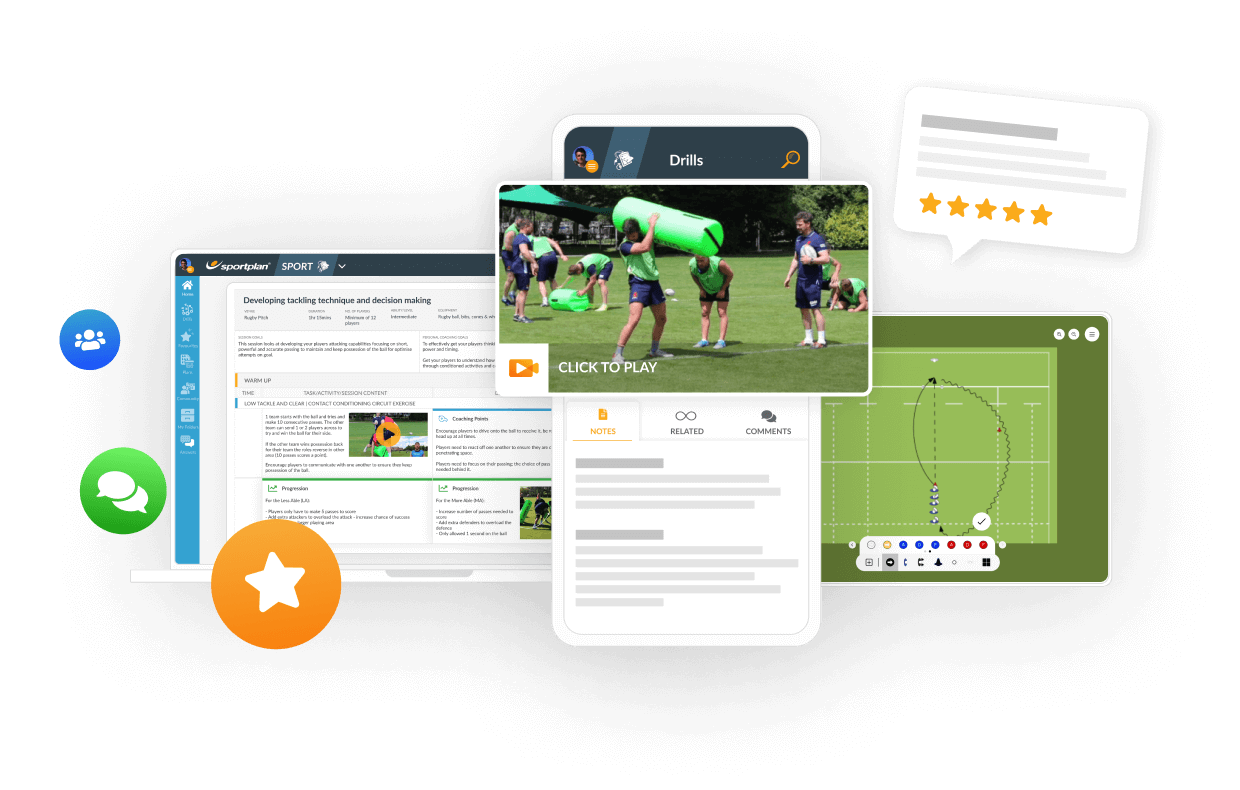
TRANSFORM YOUR TEAM'S SEASON WITH PROFESSIONALLY PLANNED SESSIONS
Use our expert plans or build your own using our library of over 700+ drills, and easy-to-use tools.
JOIN NOWdows this session involve tackle practice

Not every defensive session needs full contact, and the good ones usually earn it rather than start with it. Begin with the shape â line speed, spacing and who talks â using touch or a grab, because players cannot learn to move as a unit while they are thinking about the hit. Once the line is working together, add a tackle element in controlled numbers: one tackler, one carrier, slow to start and from close range, building the height and the leg drive before you build the speed. Save live contact for short, sharp blocks at the end when players are warm but not yet tired, and keep the numbers low so you can watch technique. If you only have a short session, shape without contact beats contact without shape.
in more ways than one
 sportplan_rugby


Greasy balls and soft pitches turn tidy handling into a lottery. Here is how to coach your players to keep hold of the ball when November conditions bite.
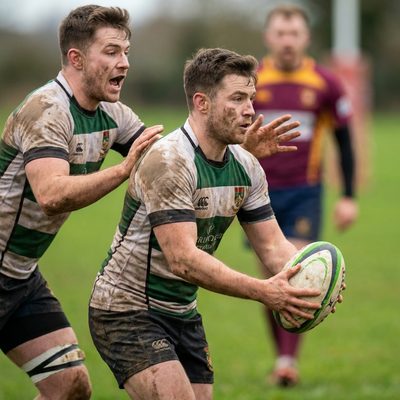
Most line breaks are made by support runners, not ball carriers. Teach the angles, depth and timing that get them there.
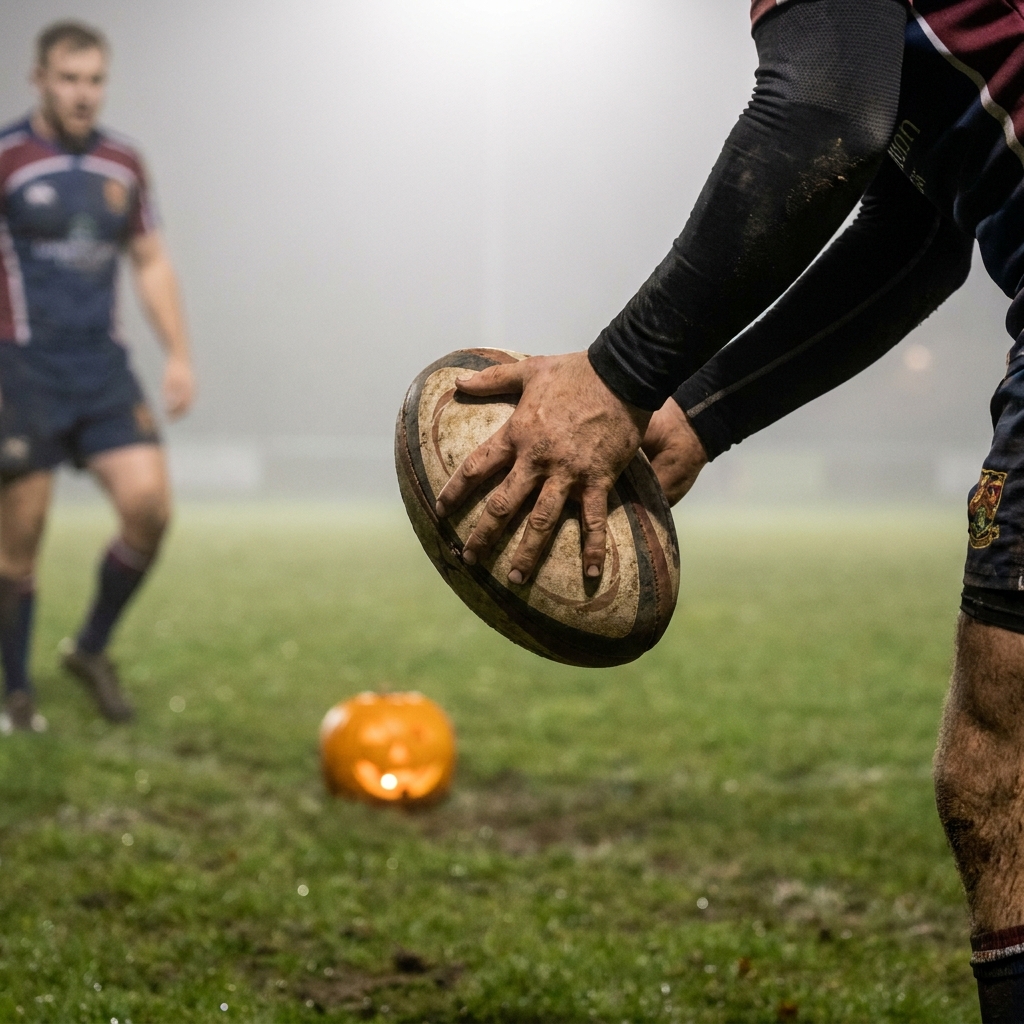
The isolated ball carrier is rugby's spookiest turnover. Here is the five-step fix, plus drills that rebuild support lines fast.
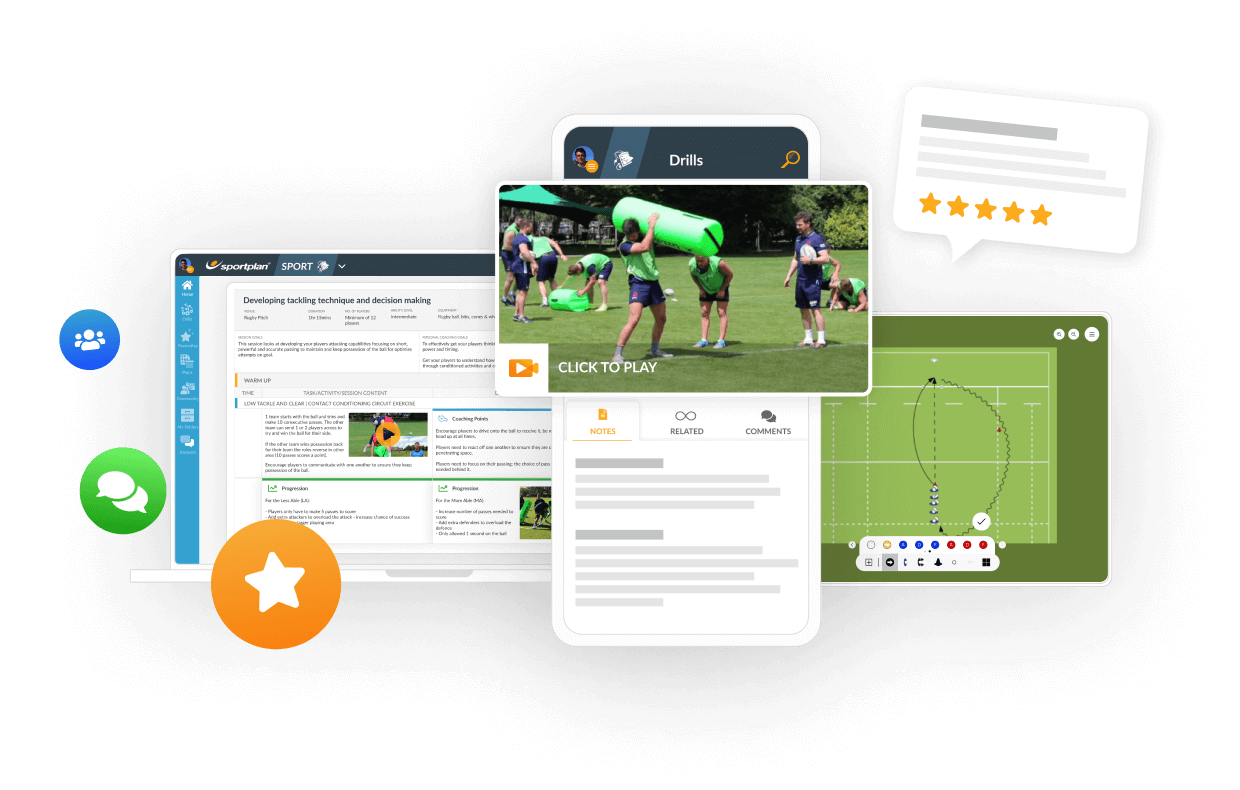
Use our expert plans or build your own using our library of over 700+ drills, and easy-to-use tools.
JOIN NOW