Field Hockey: hockey attacking

England Hockey's "25 in 2025" initiative has been touring the country, bringing two-hour on-pitch workshops to 25 locations. The focus: practical practice ideas that coaches can take straight back to their clubs. Here's a summary of the key concepts being shared.

The Philosophy

The workshops are designed for everyone involved in delivering hockey, from experienced coaches to volunteers just starting out. The emphasis is on fun, engaging sessions that keep players coming back - because player retention depends on the quality of the experience we create.

Each workshop covers arrival activities, carrying and passing progressions, and game-based learning. Participants leave with a bank of ideas they can implement immediately.

Arrival Activities That Work

The first few minutes of any session set the tone. Arrival activities should be:

Self-managing: Players can start without detailed instruction. This lets the coach focus on organisation while early arrivals get active.

Engaging: Not just standing in lines. Movement, decision-making, maybe a competitive element.

Scalable: Works with 2 players or 20. As more arrive, they join seamlessly.

Examples include: grid-based possession games where players can join any team, skill stations with clear visual instructions, and small-sided games that expand as numbers grow.

Carrying and Moving with Purpose

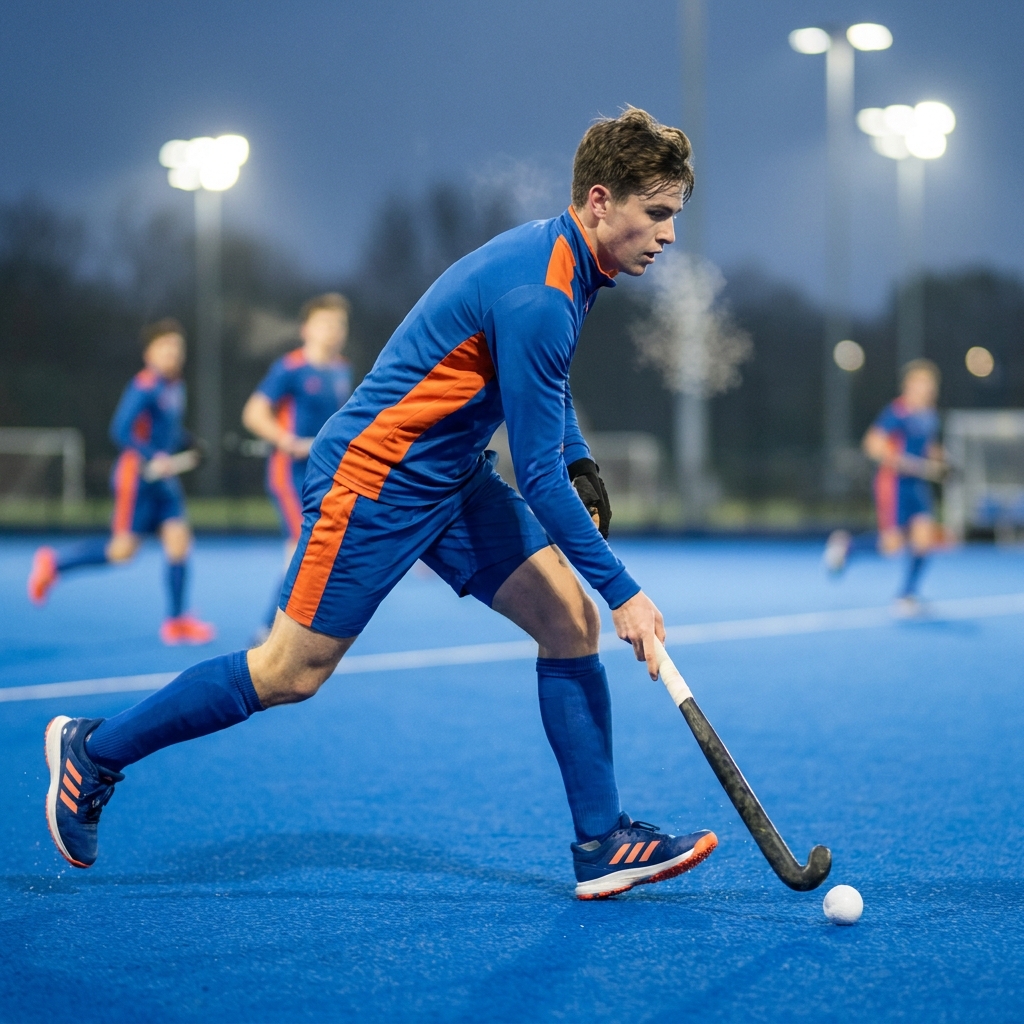
A significant portion of the workshops focuses on ball carrying. The key insight: carrying isn't just about technique, it's about purpose. Why are you carrying? Where are you taking the ball? What's your next action?

Practices progress from technique-focused (head up, ball position, change of pace) to decision-focused (when to carry vs pass, reading space, timing runs with teammates).

The workshops emphasise "game-realistic" carrying - not just running through cones, but carrying with pressure, carrying to eliminate, carrying to create passing angles.

Passing as Communication

The workshops reframe passing as communication between players. A good pass says "here's where I want you to receive." A great pass also says "here's what I want you to do next."

Practices focus on:

  • Weight of pass - firm enough to arrive quickly, soft enough to control
  • Timing - not too early (intercepted), not too late (receiver can't use it)
  • Receiver's next action - passing to the correct foot/side for what follows

Games-Based Learning

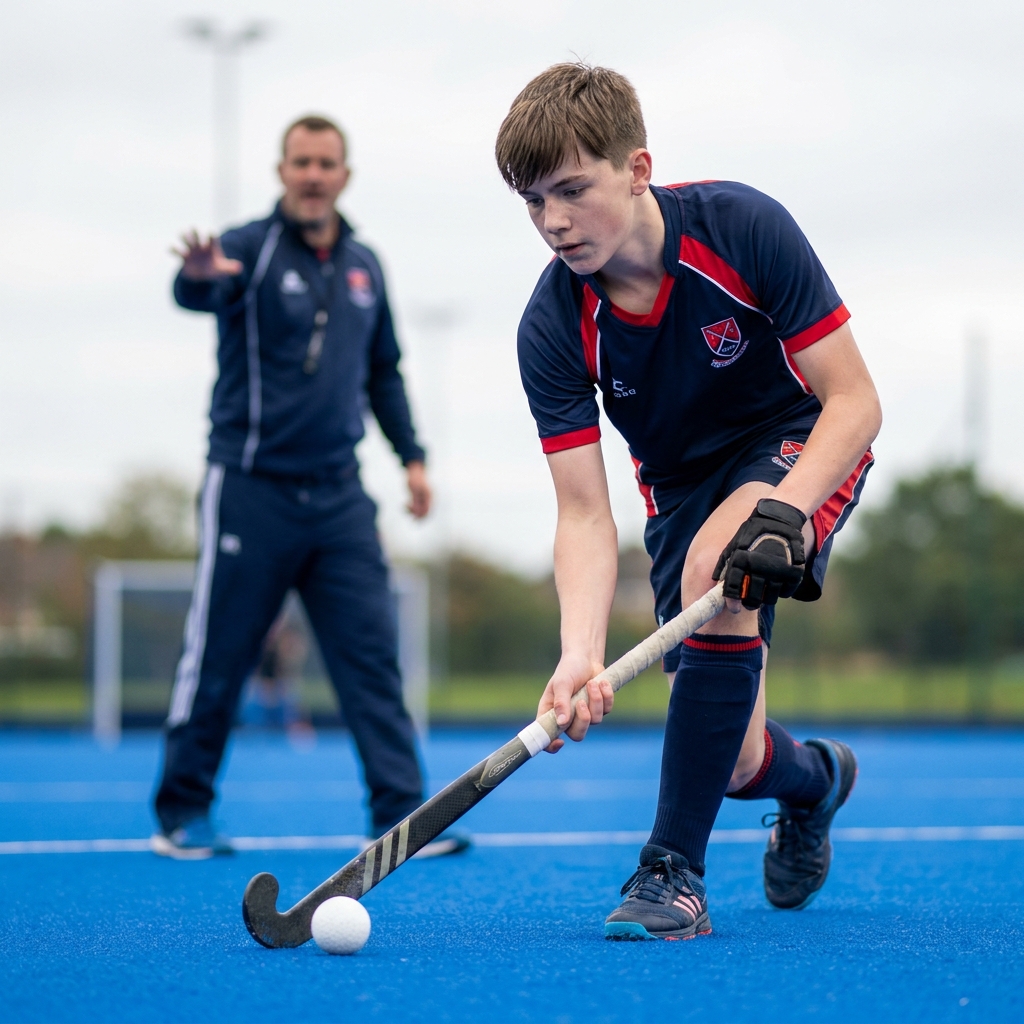
Perhaps the biggest takeaway from the workshops is the shift toward games-based learning. Instead of isolated drills, players learn through modified games that naturally develop the required skills.

The coach's role becomes designing games that create the learning outcomes, then facilitating rather than instructing. Questions replace commands: "What did you notice there?" "Why did that work?" "What could you try differently?"

This approach develops players who can problem-solve, adapt, and transfer learning to match situations.

Making Sessions Engaging

The workshops share specific techniques for keeping energy high:

Quick transitions: Minimise time between activities. Have the next game ready before the current one finishes.

Appropriate challenge: Too easy is boring, too hard is frustrating. Find the "just right" level for your group.

Variety within structure: Keep the same game framework but change small elements - scoring methods, playing areas, team compositions.

Player voice: Give players choices. "Do you want to play again or try something new?" This builds ownership.

Video Support

All workshop practices are available on YouTube, allowing coaches to revisit and refine after attending. This resource bank is growing as the roadshow continues.

Who Should Attend?

The workshops are pitched at all levels. Experienced coaches report learning new ideas and getting reinforcement of good practice. New coaches gain confidence and practical tools. The shared experience of learning together builds community within the sport.

If a workshop is coming to your area, it's worth attending. The time investment is small; the return in practical ideas is significant.

Key Coaching Points

  • Arrival activities set the tone - make them engaging
  • Carrying with purpose, not just technique
  • Passing is communication between players
  • Games-based learning develops problem-solvers
  • Keep sessions varied and appropriately challenging

Drills to Build Your Practice Bank

VIEW ALL WARM-UP DRILLS

JOIN SPORTPLAN FOR FREE

  • search our library of 1000+ field hockey drills
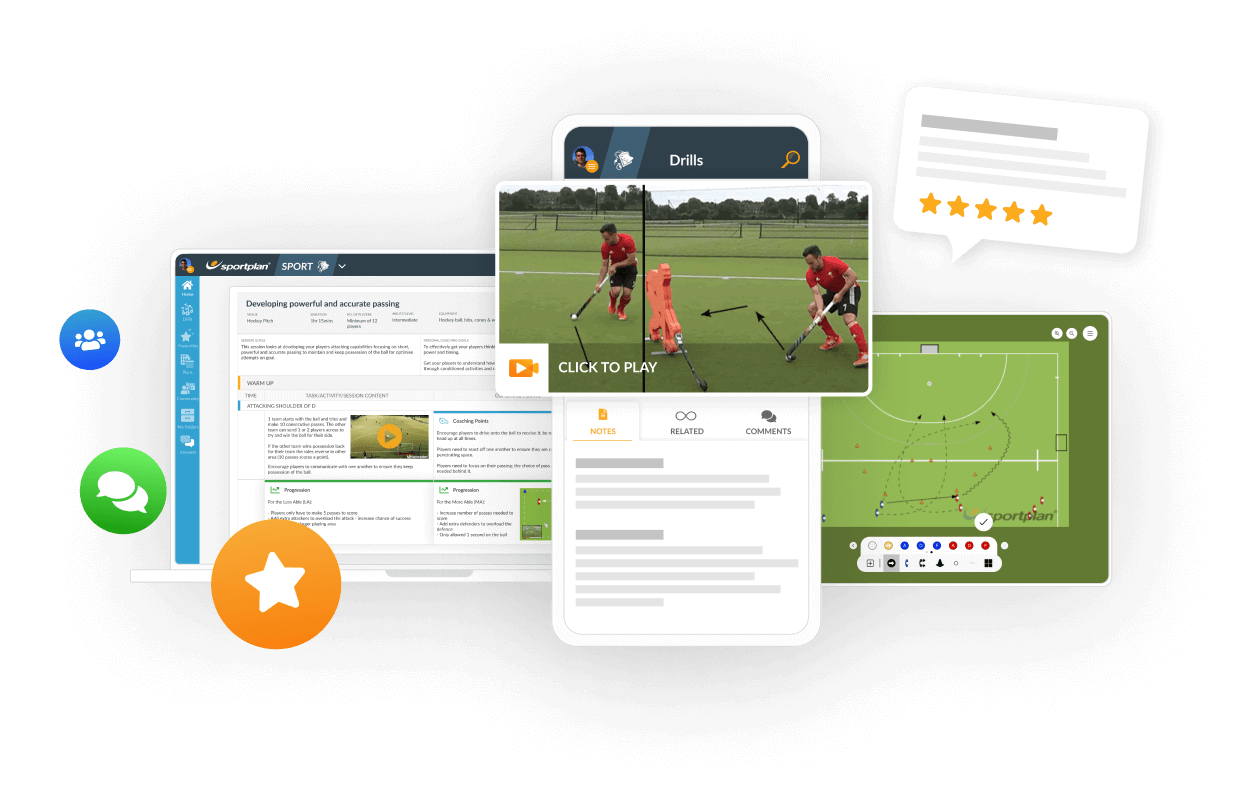
  • create your own professional coaching plans
  • or access our tried and tested plans
hockey attacking DRILLS
View All
Unfortunately there were no results for your search! Please try again
hockey attacking ANSWERS
View All

What's your favourite field hockey drill?

What's your favourite field hockey drill?

Sportplan Team Coach, United Kingdom

The new rules - what will UK coaches be focussing on?

The new rules - what will UK coaches be focussing on most? (Living in NZ, we're playing them now!)

sue shelswell Coach, New Zealand

To man mark or zone?

My Girls team I coach get caught a lot between man marking and zonal marking in the 23 yard area and sometimes end up with half the team doing one and the rest the other. Suggestions on the ideal defensive set up inside the 23?

Archived User Coach

I am teaching 7 weeks of Hockey to a Mixed set of about?

I am teaching 7 weeks of Hockey to a Mixed set of about twenty 14/15 year olds. I'm unsure of what to teach them each week i.e. week one attacking, week two defending etc. Any ideas for a seven week overview?

Archived User Coach

Indoor hockey defending

Dear colleagues, what are the best ways to defend an attacking team that is playing with a field player with goalkeeping privileges? Te question concerns indoor hockey only.

Marco Koudijs Coach, Netherlands

How to defend baseline from left for U21 hockey team?

how best can l defend baseline from left for an under 21 hockey team

Archived User Coach

Tactical set up for 6 a side (6's) format

My team will be joining a 6 a side (6's) hockey tournament next week.Can you share with me some tactical setup, attacking and defensive, for this 6's format? A few information that would be beneficial for your consideration.6's played on full hockey pitch (astroturf 91.5m55m) 15 minutes game time (no halftime) a goalkeeper needed, cannot be a lastman I would like to thank you in advance.

Archived User Coach

Short corner attacking tactics

How do you know what variations to use when you are attacking a short corner. ie what variation/tactic to use when they are running a diamond or a box etc.

Kyle Talbot Coach, South Africa

How to coach school team with novices and experienced players?

Hi,I perhaps naively, expected to have most of our team from last year carry over and only have a few new comers to integrate and get up to speed with the rest. However meeting the team at our first practice last night i find I have five players still at school from last year and the rest all new comers, most of whom had not held a hockey stick at all till practice.This being only my second season coaching (year 9 to year 13 boys) has left me feeling a little blindsided, and feeling quite unsure how to prepare practices that target both groups of boys. Do i lump them both groups together, keep them separate? What drills/exercises to best bring the new comers up to speed.I don't want to neglect either group, keep practice worthwhile for the experienced boys, but also bringing the new comers up to a level were they can mix in with the others and learn organically from them while practicing as a team. David

David Smith Coach, New Zealand

Receiving the ball forward facing

Anybody any ideas on a conditioned game to encourage receiving the ball in a forward facing position?

Mark Stuart-Thompson Coach, England

teaching presses on free hits and 16s

Hi allI am looking for advice on how to implement processes in my girls school hockey team. processes of setting up presses, defensive structures and counter attacking thinking. I have 14 players in the team from 15 years old to 18. we train twice a week. only a few play club hockey as well. We either play a 3-1-4-2 or a 3-1-3-3.I find it difficult for example, when you want to teach a press on the opposition 16, to simulate gameplay with only 14 players (if they are all at training). I can have my halves setup for taking the 16 and then get my strikers and links to setup, but then I still want defenders to see things from the back but they are taking the 16? Also when taking the 16 they then don't have any support in the drill because everyone else is setting up a press?I know we need to work on our basics in order for the other tactics and skills and game plans to work. However I find it frustrating with this team that on counter attacks for a few reasons which I am struggling to mend;- they only head forward. No one holds up the ball to wait for support.- they run straight and don't use angles- they pass too late and get tackled - they don't have the vision to see an early pass or pass into space- players without the ball do not run into useful positions and angles and get caught out by the person with the ball who then makes a pass to no one and it runs out of play.So suggestions please for;- open, creative but simple counter attacking- teaching processes for presses on free hits and 16s- coaching how to take 16s and work your way out- coaching vision and expecting your players to be in support. RegardsMatt

Matthew Lydall Coach, South Africa

Attacking Mindset

Hi,I coach a university team that has a group of mixed abilities, ranging good players with some previous hockey experience to some who are starting from the basics. We've managed to polish on basics and now the team is able to play together. They move the ball well around the pitch using the wider areas, good defence and tackles, but the big problem is creating scoring opportunities. Without goals we can't win matches... The best is draws which we get most times. I was wondering if anyone could share a small sided game or drill that could help create the attack mindset so my team can have that hunger for goas and go for it.

Ian Smith Coach, Kenya

Counter Attacking

Have any other coaches got tips, advice or drill ideas on how i can improve my team's ability to counter attack?

Jack Grundy Coach, England

7 sides hockey

What is the best formation and game play for 7 sides tournament in defending and attacking?

Ameer Shazwan Coach, Malaysia

7 sides hockey

What is the best formation and game play for 7 sides tournament in defending and attacking?

Ameer Shazwan Coach, Malaysia

Identify skills

I want to use a training circuit with various stations that's sole purpose is to test if their strengths lie in attacking or defending. Pre-season training before hockey trials.

Charlene Bester Coach, South Africa

teaching presses on free hits ...

Hi allI am looking for advice on how to implement processes in my girls school hockey team. processes of setting up presses, defensive structures and counter attacking thinking. I have 14 players in the team from 15 years old to 18. we train twice a week. only a few play club hockey as well. We either play a 3-1-4-2 or a 3-1-3-3.I find it difficult for example, when you want to teach a press on the opposition 16, to simulate gameplay with only 14 players (if they are all at training). I can have my halves setup for taking the 16 and then get my strikers and links to setup, but then I still want defenders to see things from the back but they are taking the 16? Also when taking the 16 they then don't have any support in the drill because everyone else is setting up a press?I know we need to work on our basics in order for the other tactics and skills and game plans to work. However I find it frustrating with this team that on counter attacks for a few reasons which I am struggling to mend;- they only head forward. No one holds up the ball to wait for support.- they run straight and don't use angles- they pass too late and get tackled - they don't have the vision to see an early pass or pass into space- players without the ball do not run into useful positions and angles and get caught out by the person with the ball who then makes a pass to no one and it runs out of play.So suggestions please for;- open, creative but simple counter attacking- teaching processes for presses on free hits and 16s- coaching how to take 16s and work your way out- coaching vision and expecting your players to be in support. RegardsMatt

Matthew Lydall Coach, South Africa

Attacking Mindset | Sportplan

Hi,I coach a university team that has a group of mixed abilities, ranging good players with some previous hockey experience to some who are starting from the basics. We've managed to polish on basics and now the team is able to play together. They move the ball well around the pitch using the wider areas, good defence and tackles, but the big problem is creating scoring opportunities. Without goals we can't win matches... The best is draws which we get most times. I was wondering if anyone could share a small sided game or drill that could help create the attack mindset so my team can have that hunger for goas and go for it.

Ian Smith Coach, Kenya

Long corners (attacking and de...

Dear all, what are best practices for playing long corners? Please advice for playing long corners while attacking and defending long corners.

Marco Koudijs Coach, Netherlands

7 sides hockey | Sportplan

What is the best formation and game play for 7 sides tournament in defending and attacking?

Ameer Shazwan Coach, Malaysia

JOIN SPORTPLAN FOR FREE

  • search our library of 1000+ field hockey drills
  • create your own professional coaching plans
  • or access our tried and tested plans

Sportplan App

Give it a try - it's better in the app

YOUR SESSION IS STARTING SOON... Join the growing community of field hockey coaches plus 1000+ drills and pro tools to make coaching easy.
LET'S DO IT