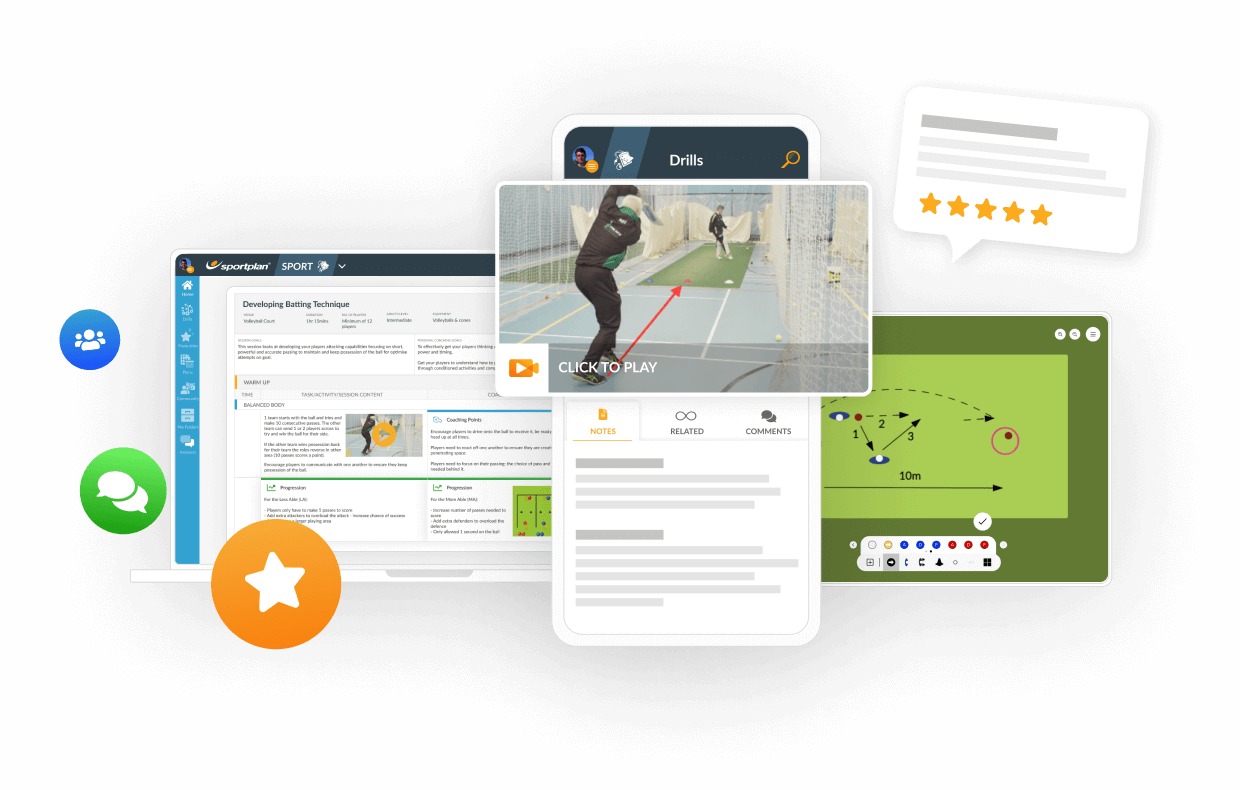
A bowler can do this lying down (on their own) or standing upright (with a partner). All the bowler does is practices flicking thier wrist while holding the cricket ball. What they are trying to achieve is when the ball leaves their hand the seam with stay upright without any wobble of any kind. If lying down the arm should be raised over your head.
Thumb should be resting on the bottom of the seam. The middle and index fingers should be close together also resting on the seam. There should be no extension of the elbow as we know you are not alowed to bowl with elbow extension. In this drill you are not trying to makek the ball swing or hold it with a grip to enhace swing bowling
This practice has no coaching points
This practice has no progressions
There are currently no more drills being shared in this category
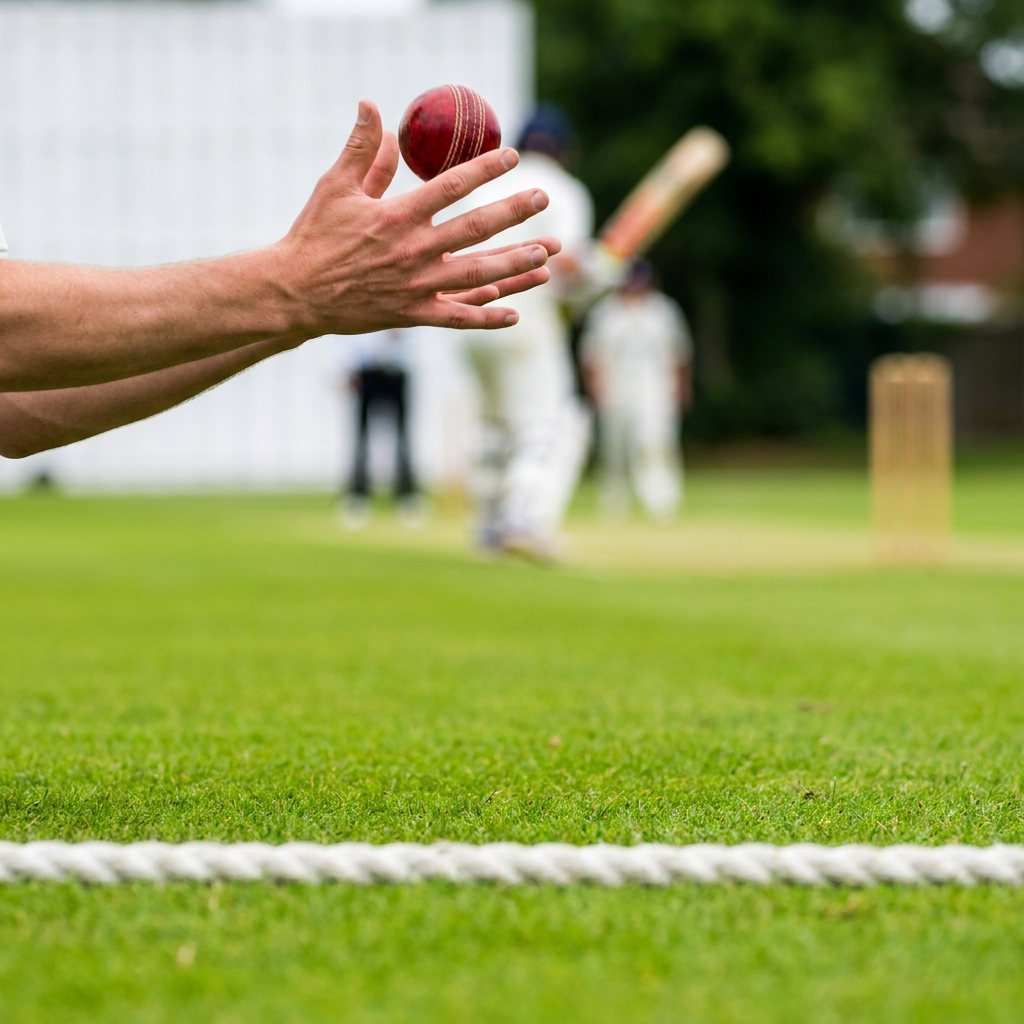
The new Laws of Cricket are in force from 1 October 2026 and the 'bunny hop' boundary catch is gone. Here is how to coach your fielders to catch on the rope this winter.

The covers are on and the last tea has been served. What your club does between now and April decides how the next season starts. Here is a simple, honest winter plan for players, bowlers and juniors.
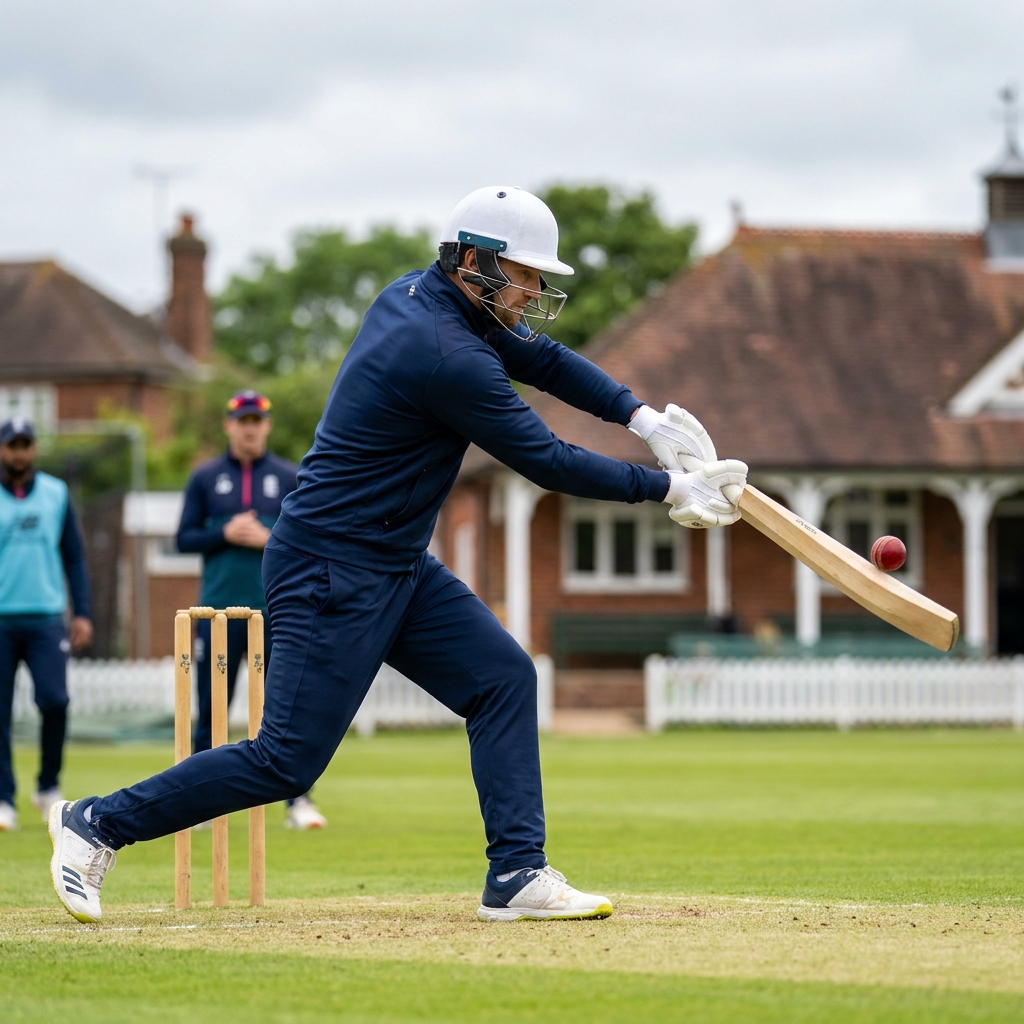
August is when seasons are decided, and most club games are lost chasing rather than setting. Give your batters a framework for the chase and you win the close ones.


Register for FREE and get coaching tips, top drills, session and more every week!