3 Stations should be set up Long Barrier Two Handed Pick Up One Handed Pick Up Players should sdet up around 20m away from the coach.
Coaching Points for Picking the Ball Up â There are 3 different types of ball pick up in cricket: One Handed, Two Handed and Long Barrier. One / Two Handed Pick Up: The Approach â As you approach the ball you should be in a low and balanced position. One Handed Pick Up: Foot Placement â for the one handed pick up the front foot should be next to the ball Two Handed Pick Up: Foot Placement â The front foot again should be next to the ball however is it very important that the BACK FOOT IS BEHIND YOUR HANDS, this is due to the two handed pick up being used to âharderâ hit shots and In positions where a miss field could lead to extra runs. One / Two Handed Pick Up: Hand Positions â Both in one and two handed fingers should be pointed down at the point of pickup this is so there is a reduced chance of a miss field and also an injury. The Long Barrier: Getting in Line â This is used when you have more time and there is no chance of a run out. For the long barrier it is important that you get in line with where the ball will be early (however do not go down until you are 100% sure you are behind the ball). The Long Barrier: Body Position â You should be side on so that you have a large area to stop the ball. You should have your right foot forward with your left knee resting against the back of your right heel. THERE SHOULD BE NO GAP BETWEEN KNEE AND FOOT. You should pick the ball up in front of your knee (in the centre of your barrier).
This practice has no coaching points
This practice has no progressions
There are currently no more drills being shared in this category

The new Laws of Cricket are in force from 1 October 2026 and the 'bunny hop' boundary catch is gone. Here is how to coach your fielders to catch on the rope this winter.

The covers are on and the last tea has been served. What your club does between now and April decides how the next season starts. Here is a simple, honest winter plan for players, bowlers and juniors.
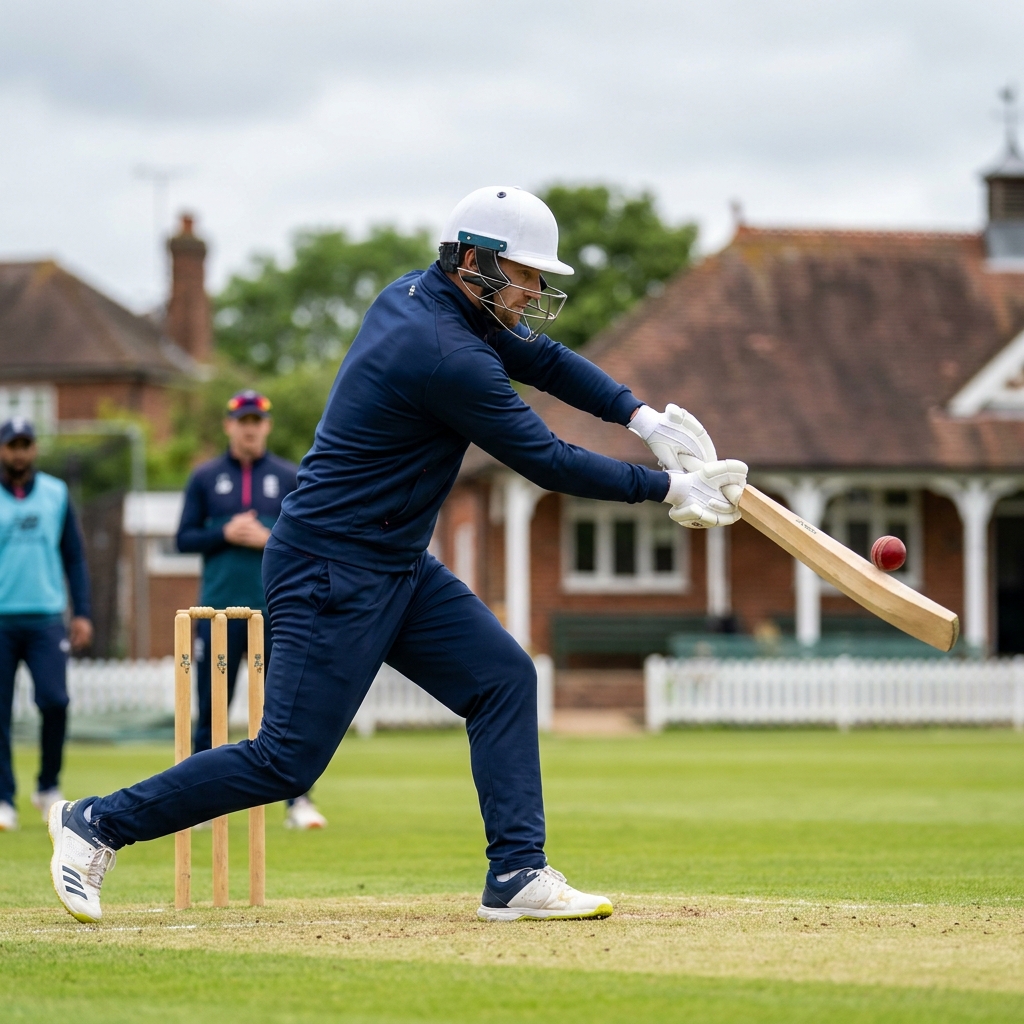
August is when seasons are decided, and most club games are lost chasing rather than setting. Give your batters a framework for the chase and you win the close ones.


Register for FREE and get coaching tips, top drills, session and more every week!