Two teams on either side of an imaginary river. Te river is filled with all sorts of dangerous water creatures, only person allowed in the river is the coach! Each team member is equipped with a ball, which is a ticking hand grenade. Object of the game is to get as many grenades on the opposition side of the river as possible. On coaches signal, teams throw their grenades to the opposite side of the river. Pick up and throw opposition grenades back. keep going! Coach gives a 10 sec countdown, on zero (KÄti), stop throwing grenades. If any are thrown after signal to stop, that team automatically loses. Team with the most balls (grenades) on their side of the river loses, and is blown up. Progressionb - allow each team 1 minute to get together and discuss possible tactics, then repeat
Observatiion of distance throwing technique. Can be used before or after throwing drilll Safety, use tennis balls or windballs - limits distance for older players, limits injury possibility especially for younger children
This practice has no coaching points
This practice has no progressions
There are currently no more drills being shared in this category
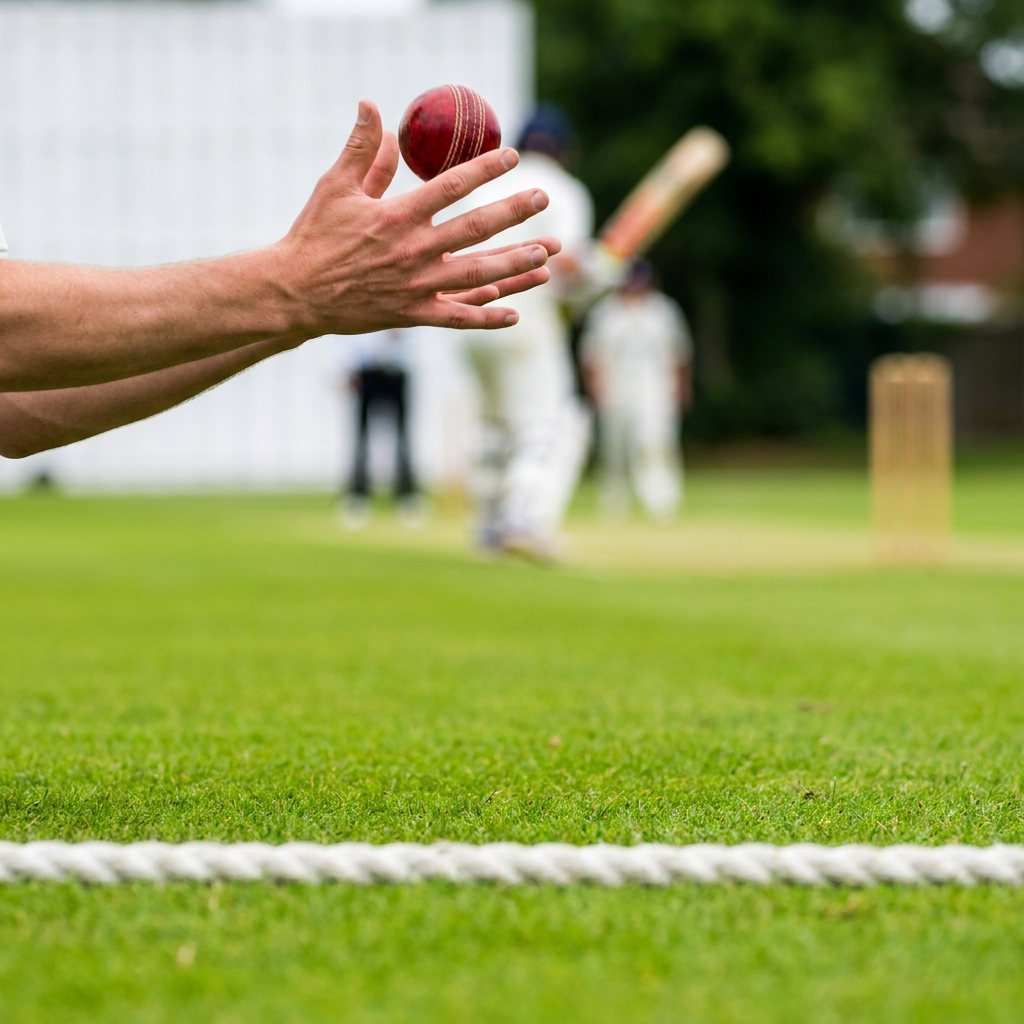
The new Laws of Cricket are in force from 1 October 2026 and the 'bunny hop' boundary catch is gone. Here is how to coach your fielders to catch on the rope this winter.

The covers are on and the last tea has been served. What your club does between now and April decides how the next season starts. Here is a simple, honest winter plan for players, bowlers and juniors.
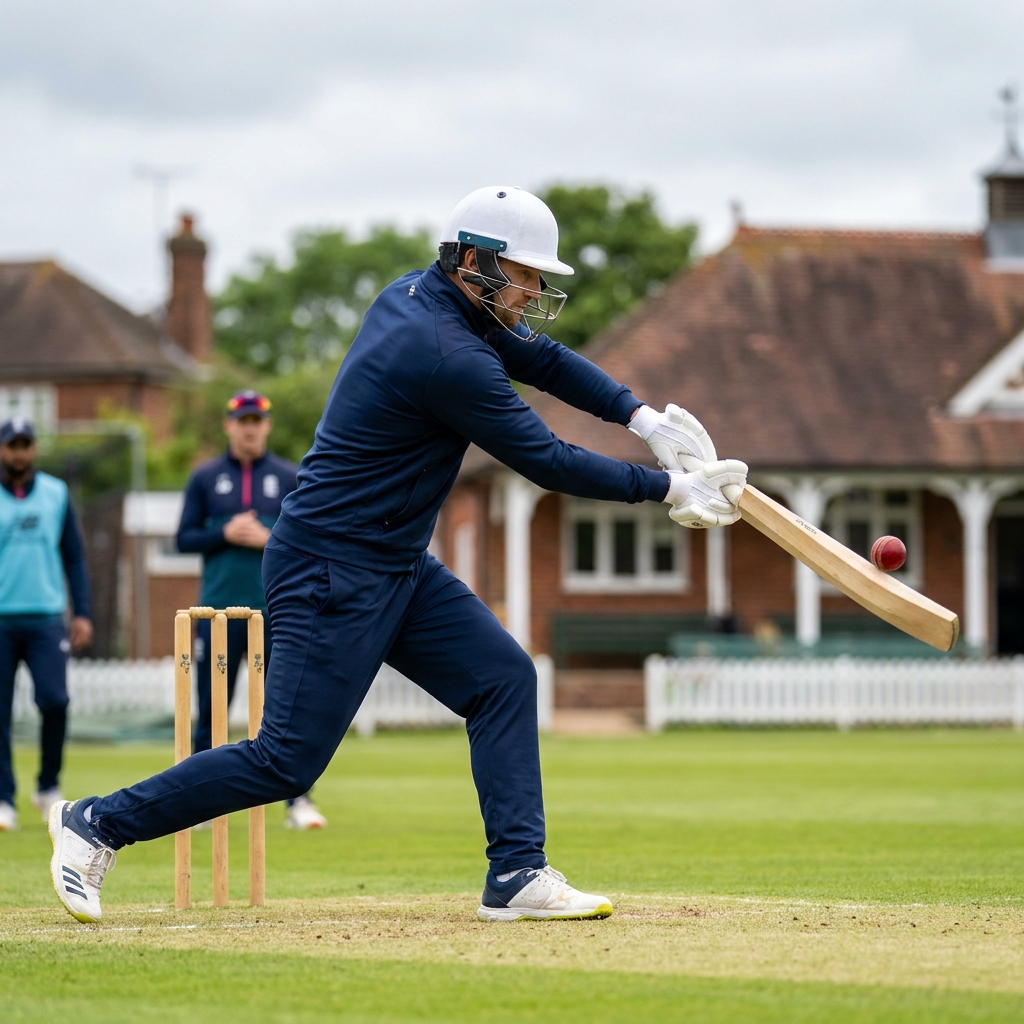
August is when seasons are decided, and most club games are lost chasing rather than setting. Give your batters a framework for the chase and you win the close ones.


Register for FREE and get coaching tips, top drills, session and more every week!