field size 20by30 or 25 by 35 defenders will pass the ball to the attackers. 3 attackers and 3 defender will step into the field after the pass. When the there is a goal or the ball is out of bounce the defenders will go back to the defenders lin(switch with eachoter and the attackers will go switch with eachoters line(attackers line). and the next one can start.
strong first pass. have a good first touch forward as a attacker. speed up in the dribble try to pass the defender with a move and score a goal if the defenders tries to block the pass to the open attacker or pass the ball to the open attacker if the defender steps into the ball. the defenders are trying to delay the game and push the attacker to the outside to give the attacker less space. At the same time he tries to create 2v1 and try to block the passing lane to the second attacker. when the defenders steals the ball they can score in the other goal.
This practice has no coaching points
This practice has no progressions

in more ways than one
 sportplan_football


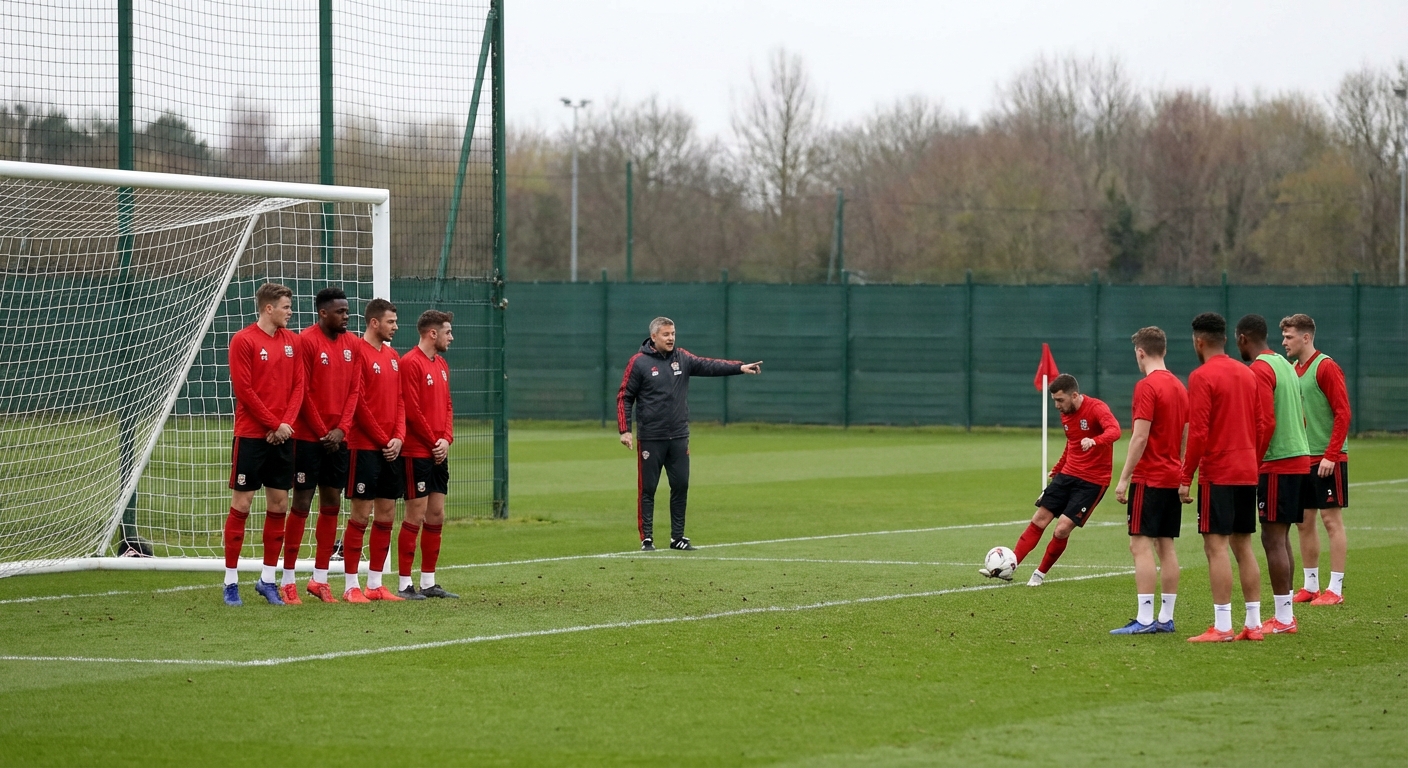
Set pieces account for roughly a third of all goals in football, yet many coaches spend surprisingly little time coaching defensive organisation at corners and free kicks. This article compares zonal and man marking systems, explores hybrid approaches, and provides a practical session structure for building set piece resilience into your team.
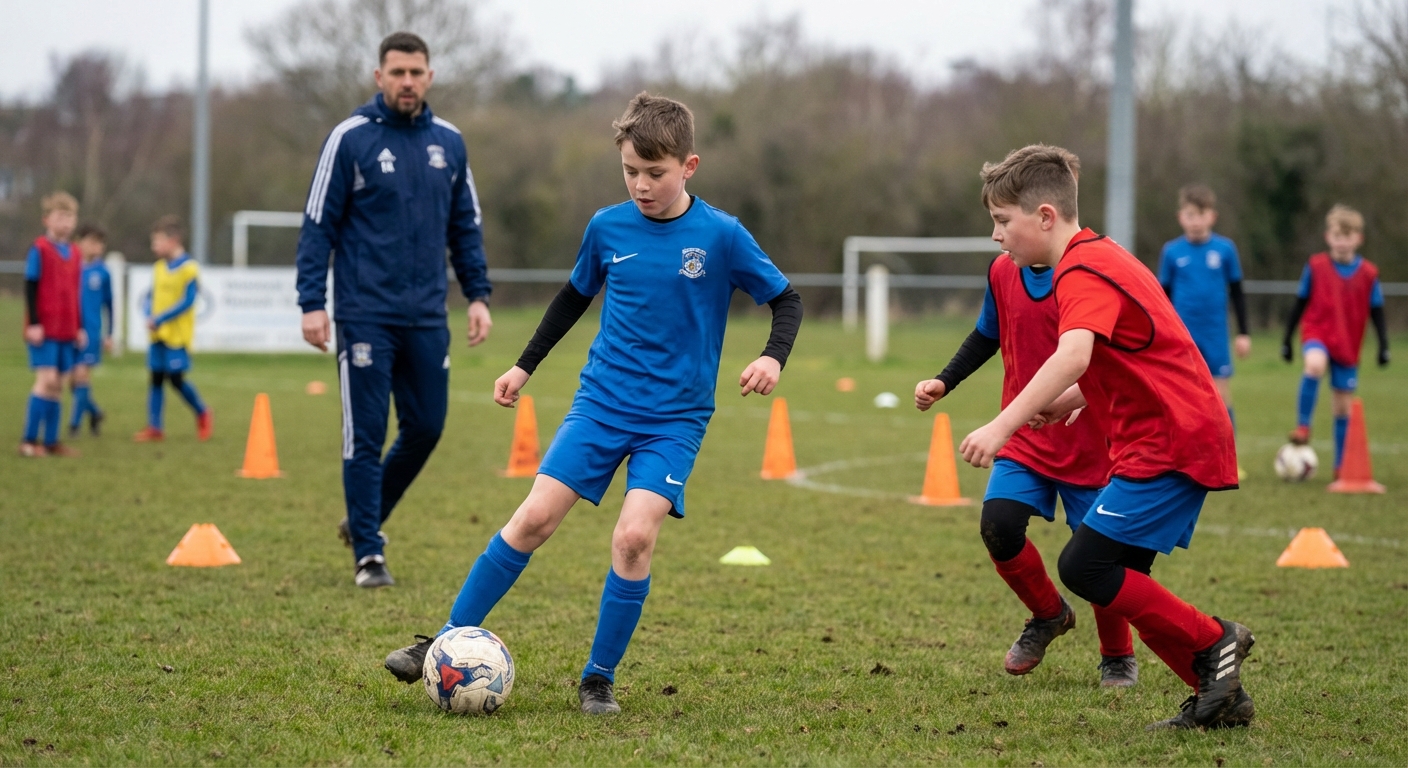
A player's first touch determines everything that follows: whether they can play forward, turn, or simply retain the ball. This article explores why training first touch in isolation is not enough, and how to design sessions that develop this critical skill under realistic game pressure.
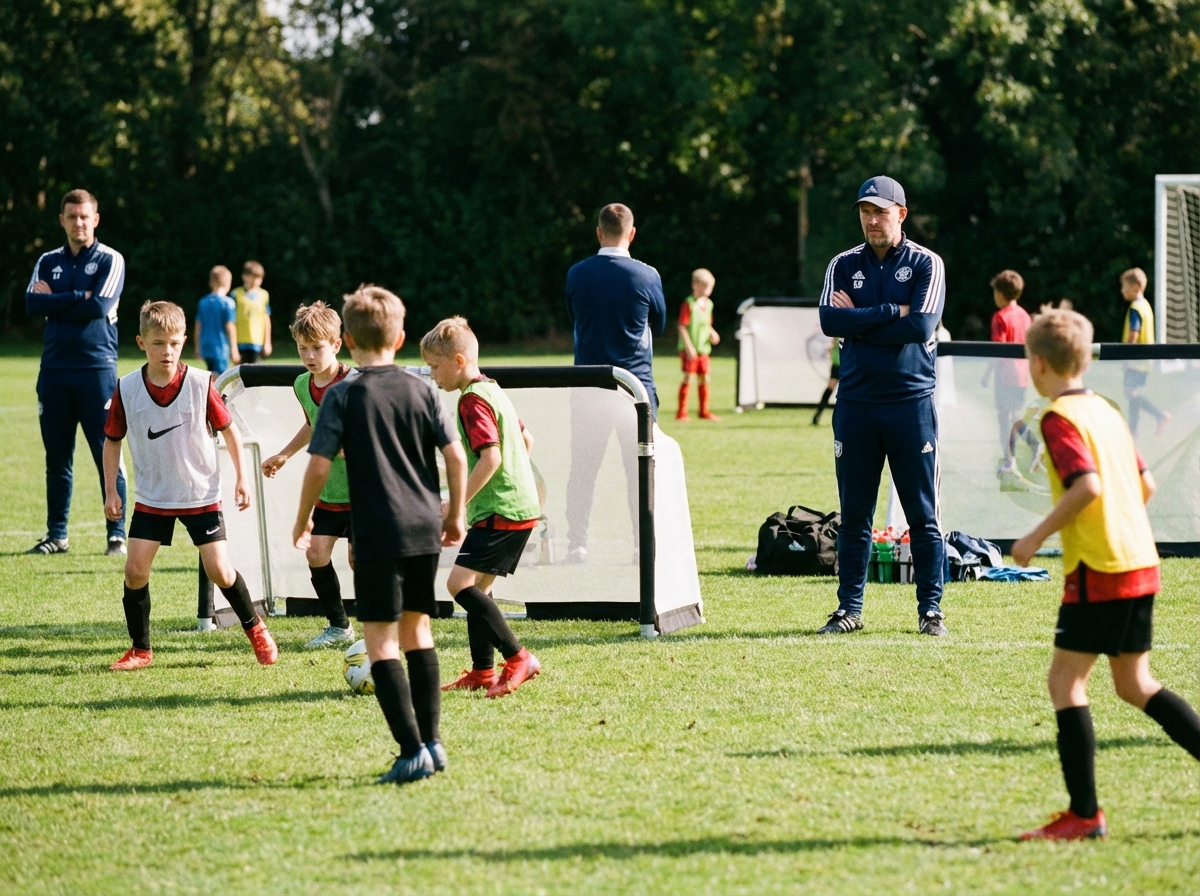
The coaching methodology revolution sweeping grassroots football - and how to implement it at your club this season.