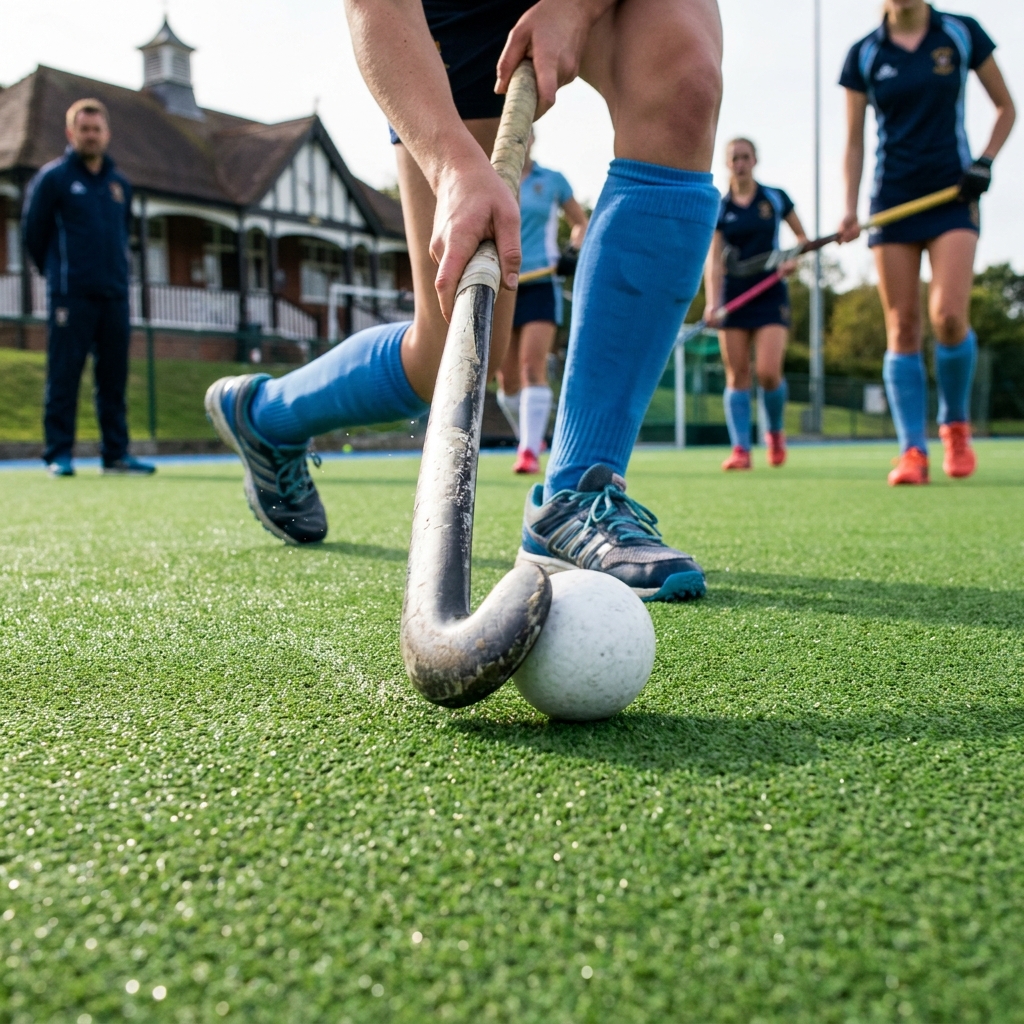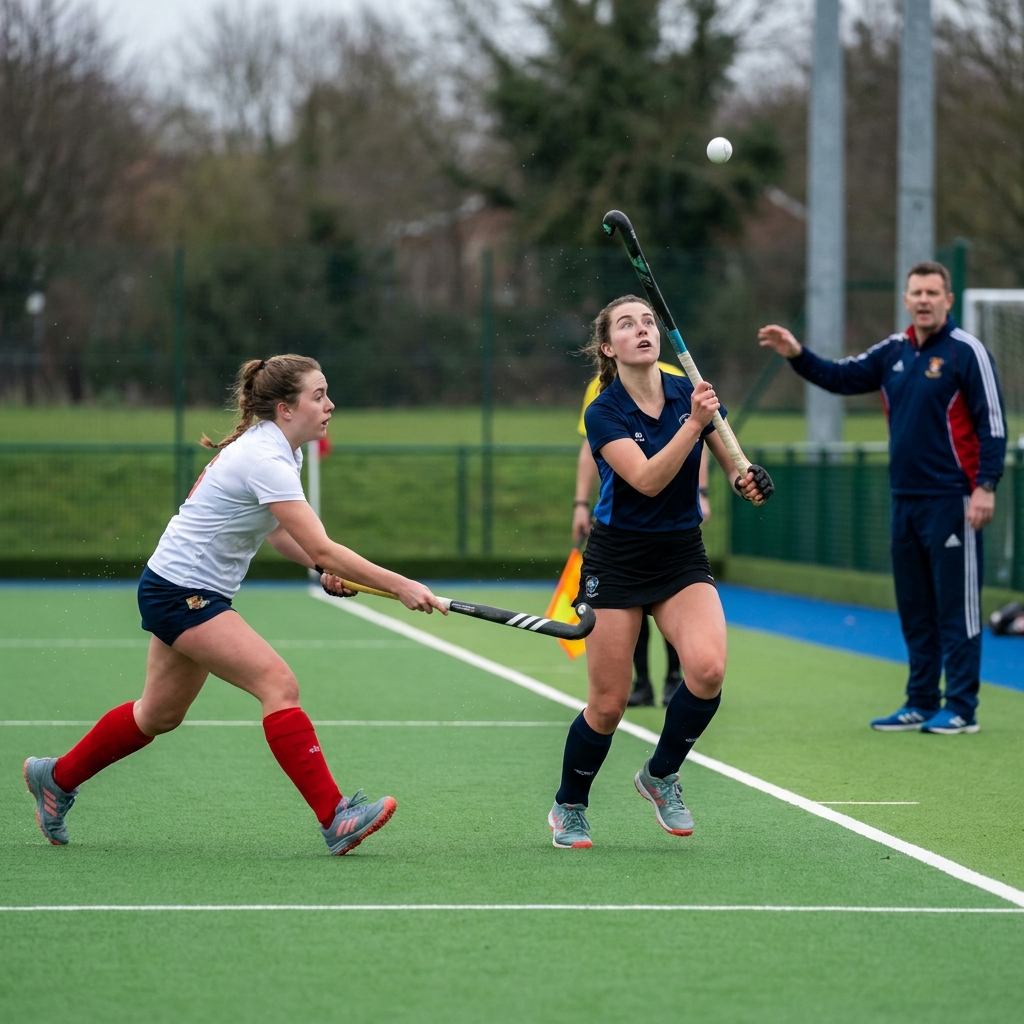


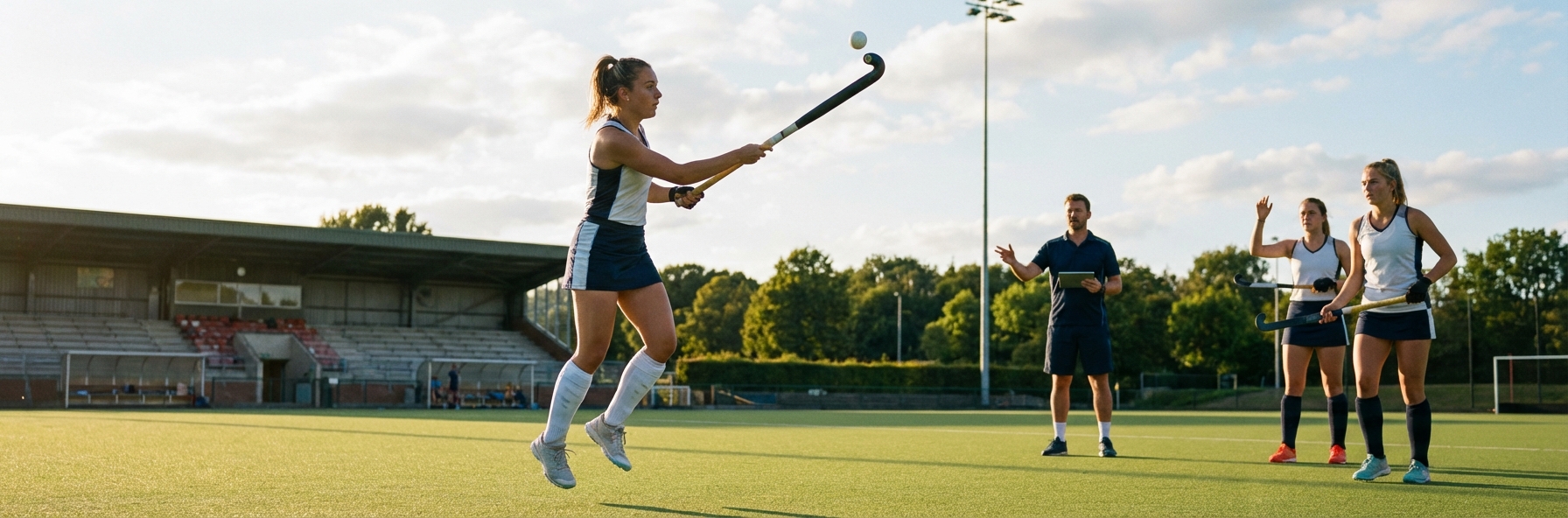
Watch any elite hockey match today and you'll see it repeatedly: the ball lifted off the ground, carried through the air, used to beat defenders and create space that simply doesn't exist on the turf. This is the 3D skills revolution, and it's changed hockey forever.
What was once a specialist skill has become a fundamental. The best coaches now teach aerial dribbling from youth level, recognising that the vertical dimension of the game is where modern hockey is won and lost.
Why 3D Skills Matter
Traditional hockey is played on a two-dimensional surface. Defenders position themselves to block passing lanes and tackle along the ground. 3D skills add a third dimension that bypasses these defensive structures entirely.
When a player lifts the ball and carries it through the air, they create options that ground-based play simply cannot offer. They can beat a defender's stick entirely. They can move through congested areas. They can change the angle of attack in an instant.
The mental advantage is significant too. Defenders who know they might face an aerial skill must stay more upright, reducing their ability to commit to ground tackles. This creates more space even when the skill isn't used.
The Core 3D Techniques
The Lift and Carry
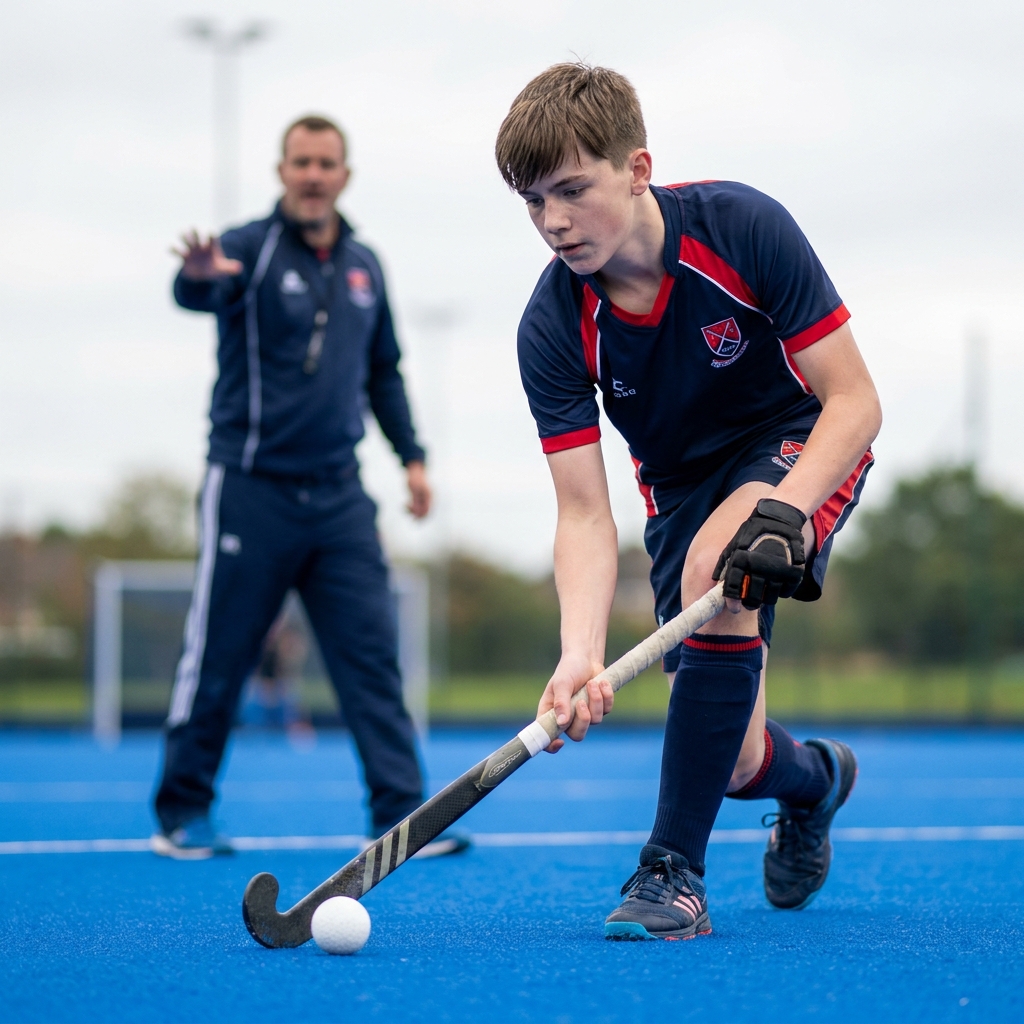
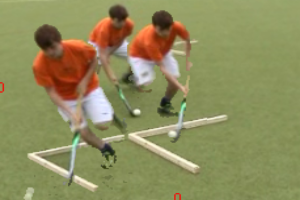
The foundation skill. The ball is lifted with a scooping action and carried on the stick face while moving forward. The key is soft hands and keeping the ball close to the body. Start with stationary lifts, then walking pace, then jogging, then at speed.
The Aerial Drag
Lifting the ball over an incoming tackle while maintaining forward momentum. The timing is everything - too early and the defender adjusts, too late and you're caught. Practice against passive defenders first, then increase the challenge.
The 3D Elimination
Using the aerial skill to beat a defender 1v1. Lift the ball, carry it past their stick, and bring it back to ground in space. This requires confidence, timing, and the ability to read the defender's body position.
The Aerial Pass
Lifting the ball over a defender's stick to reach a teammate. Not technically a dribble, but essential to the 3D game. The skill is in the weight and trajectory - too high takes time, too low gets intercepted.
Teaching Progression
Stage 1: Ball Manipulation
Before any aerial work, players need exceptional ball control on the ground. The reverse stick, the Indian dribble, tight turns - these build the hand-eye coordination that aerial skills require.
Stage 2: Stationary Lifts
Learning to lift the ball cleanly with consistent height. Focus on the scooping action, the angle of the stick face, and the follow-through. Both sides - forehand and reverse.
Stage 3: Moving Lifts
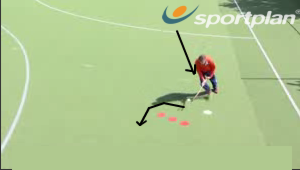
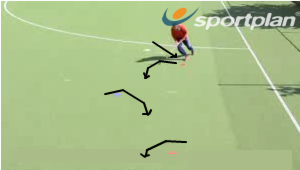
Adding locomotion. Walking first, then jogging. The challenge is maintaining the lift quality while the body is in motion. Most players rush this stage - don't let them.
Stage 4: Pressure Addition
Introducing passive defenders, then active ones. The skill must work under pressure or it's just juggling. Create game-realistic scenarios where the aerial skill is the solution.
Common Coaching Mistakes
Teaching too early: 3D skills require a foundation of basic ball control. Rushing into aerial work before this foundation is solid creates bad habits that are hard to fix.
Ignoring both sides: Many players develop 3D skills only on their forehand. The best players are equally dangerous on both sides. Insist on balance from the start.
Skill without context: Practicing lifts without game context creates players who can juggle but can't apply the skill effectively. Always connect the technique to when and why it's used.
Neglecting the landing: Getting the ball into the air is only half the skill. What happens when it comes down is equally important. Practice controlled landings that allow the next action.
Age-Appropriate Development
Under 10s: Focus on fundamental ball control. Introduce lifting as play and experimentation, not as a drill. Let them discover the joy of getting the ball airborne.
Under 12s: Begin structured 3D skill development. Basic lift and carry, introduction to the aerial drag. Always in context of small-sided games.
Under 14s: Develop all core 3D techniques. Introduce under pressure scenarios. Expect both-sided competency.
Under 16s and beyond: Refinement and game integration. The focus shifts to when to use the skill, reading defenders, and combining with teammates.
The Dutch Approach
The Netherlands has led the 3D revolution, and their approach is instructive. They introduce aerial skills early but always in the context of games. They value creativity and individual expression. And they understand that 3D skills are weapons, not party tricks - they must serve the team's attacking purpose.
Key Coaching Points
- Build on a foundation of excellent ground ball control
- Progress from stationary to moving to pressure
- Develop both forehand and reverse stick equally
- Always connect technique to game application
- Encourage creativity and experimentation

 sportplan_hockey