

The Netherlands dominates world hockey. Both the men's and women's teams consistently medal at Olympics and World Cups. The question coaches everywhere ask is: how do they do it?
The answer lies in their development pathway - a systematic approach to youth hockey that prioritises player development over early results. Here's what makes it work and how you can apply these principles.
The Core Philosophy
Dutch youth development is built on a simple premise: the goal is not to win junior competitions, it's to produce excellent adult players. Every decision about training, selection, and game approach flows from this understanding.
This means accepting that the best junior teams might not always win. It means giving playing time based on development needs, not just current ability. It means coaching skills and game understanding before tactics and systems.
Skills Before Systems
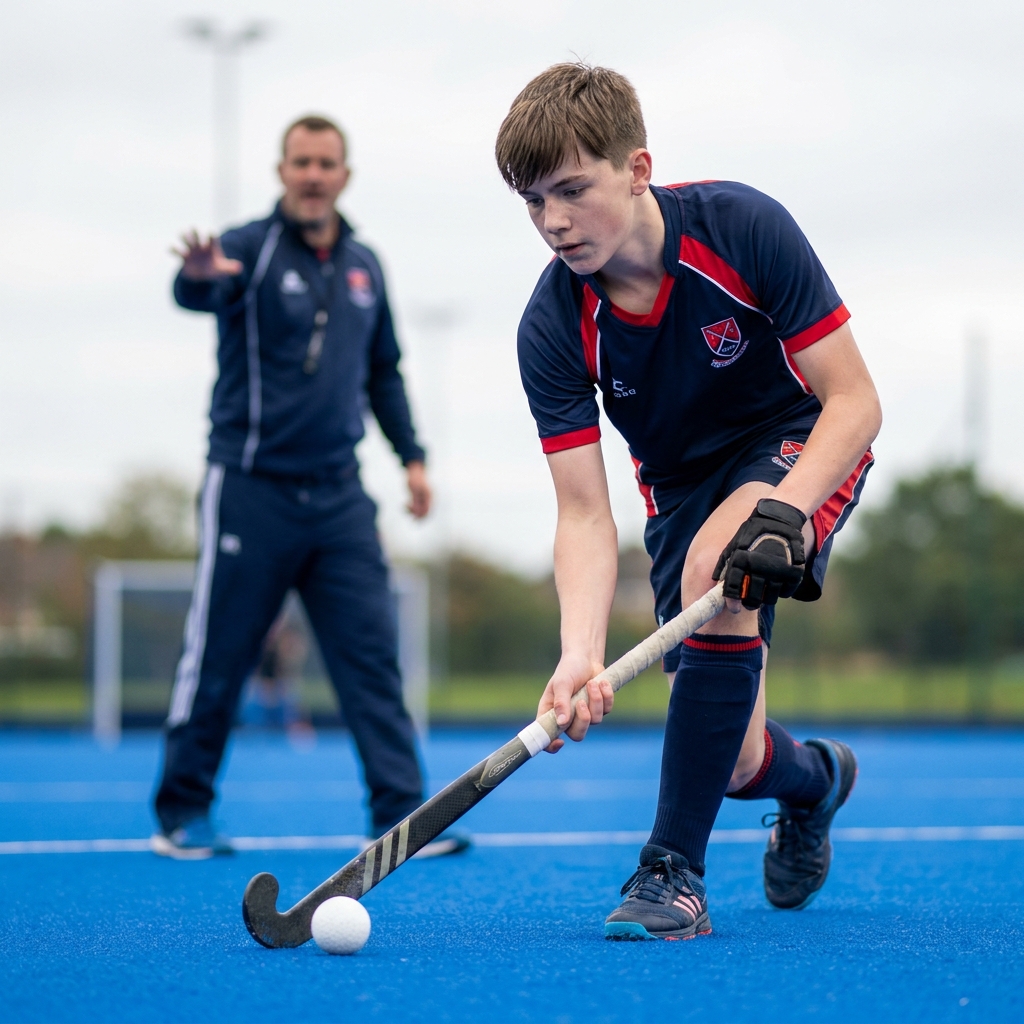
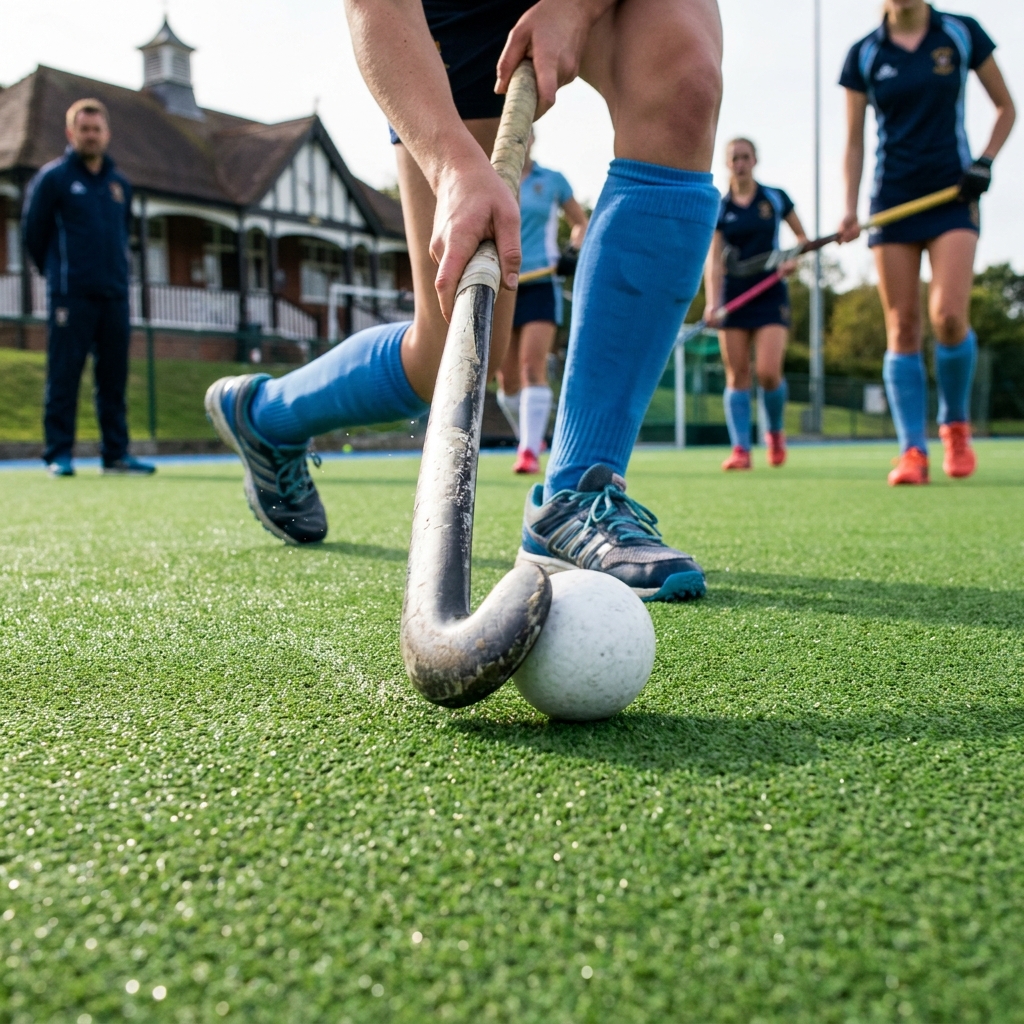
Young Dutch players spend enormous amounts of time developing individual skills. Ball control, passing, receiving, 3D skills - these fundamentals are drilled relentlessly. Only once players have strong technical foundations do tactical concepts become the focus.
This contrasts with approaches that introduce complex team tactics early. A 10-year-old who can execute a pressing system but can't receive a ball under pressure hasn't been well-served by their coaching.
Practical application: Audit your youth training. What percentage is individual skill work versus team play? If team tactics dominate, consider rebalancing toward skill development.
Game Understanding Through Play
Dutch youth training features heavy use of small-sided games. 3v3, 4v4, 5v5 - these formats give players more touches, more decisions, and more game-realistic learning opportunities than 11v11 can provide.
The games are carefully designed to develop specific skills or concepts. Constraints are added - touch limits, scoring rules, playing areas - that guide learning without explicit instruction. Players discover solutions rather than being told them.
Practical application: Reduce reliance on drills and increase use of constraint-led games. Set up scenarios that naturally develop the skills you want, then let players figure it out.
Late Specialisation
Dutch youth players often play multiple positions well into their development. This cross-training builds understanding of the whole game and develops versatile players who can solve problems from any position.
Early positional specialisation - "you're a defender, you stay back" - limits development. A midfielder who has played in defence understands defensive pressure. A striker who has played in midfield understands the importance of support play.
Practical application: Rotate young players through positions. Don't lock them into roles too early. The understanding they gain outweighs any short-term competitive disadvantage.
Individual Focus Within Team Environment
While team success matters, Dutch youth coaches maintain individual focus. Each player has development goals. Feedback relates to personal progress, not just team outcomes. Playing time decisions consider development needs.
This individualisation requires more coaching attention but produces players who understand their own development and take ownership of their improvement.
Practical application: Set individual development goals with each player. Review progress regularly. Ensure feedback connects to these personal goals, not just team performance.
Enjoyment as Foundation
Dutch youth hockey is designed to be fun. Sessions are varied, engaging, and player-centred. The understanding is simple: players who enjoy hockey keep playing hockey. Players who burn out or lose interest don't develop, no matter how talented.
This doesn't mean avoiding challenge or competition. It means framing challenge positively and ensuring the overall experience is enjoyable.
Practical application: Ask your players if they're enjoying training. Build variety into sessions. Recognise that long-term development requires sustained engagement.
Coach Development
The Dutch pathway invests heavily in coach education. Youth coaches are trained, supported, and developed. There's understanding that the quality of coaching determines the quality of player development.
Coach education emphasises pedagogy - how to teach - alongside hockey knowledge. Creating effective learning environments is as important as understanding the game.
Practical application: Invest in your own development as a coach. Seek courses, read widely, observe other coaches, reflect on your practice.
The Long View
Perhaps the most important Dutch principle is patience. Development takes time. A 12-year-old who struggles with a skill might master it by 16. A late developer might outperform early achievers. The pathway accounts for this variation.
This long view protects against harmful early selection and de-selection. It keeps doors open for late developers. It recognises that predicting adult performance from junior performance is unreliable.
Key Coaching Points
- Development over results in youth hockey
- Skills before systems - build the foundation first
- Use small-sided games to develop game understanding
- Delay positional specialisation
- Maintain individual focus within team environment
- Ensure hockey remains enjoyable
 sportplan_hockey