

Modern hockey is a game of transitions. The moments immediately after possession changes are where games are won and lost. Teams that transition quickly and effectively create goal-scoring opportunities against disorganised defences. Teams that can also control tempo - slowing down when needed - manage games intelligently.
Building this dual capability requires specific training, shared understanding, and players who can read the game in real-time.
Why Transition Matters
When your team wins the ball, the opposition is briefly in disarray. Players are caught high, defensive shape is compromised, and gaps exist that won't be there in five seconds. The question is: can you exploit these gaps before they close?
Analysis of elite hockey shows that a significant proportion of goals come from quick transitions. The counter-attack from turnover to shot in under ten seconds is one of the most effective attacking weapons in the sport.
The Mental Shift
Fast transitions start in the mind. The moment possession changes, every player must instantly shift from defensive thinking to attacking thinking. This isn't automatic - it requires training and reinforcement.
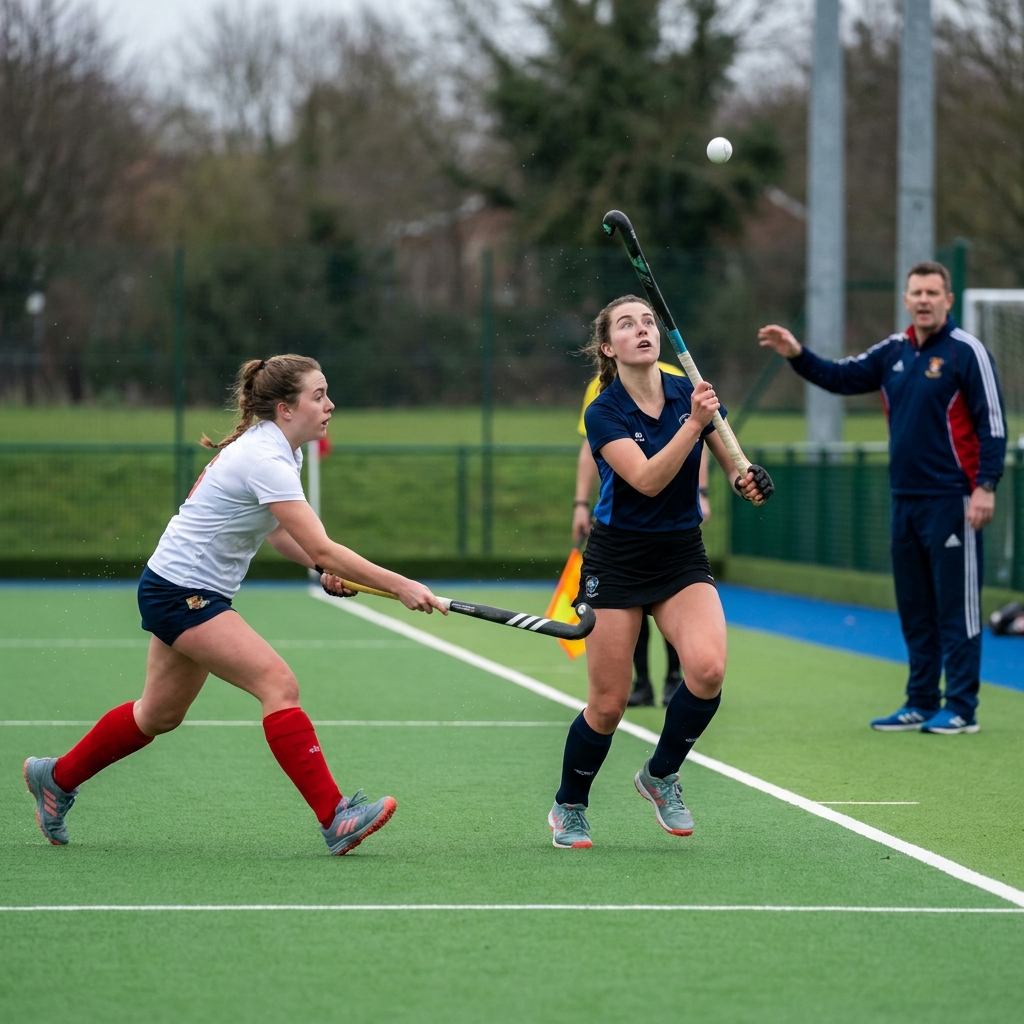
Watch players when they win the ball. Do they immediately look forward? Do supporting players start their runs? Or do they secure the ball, take a breath, and settle into possession play? The difference in these responses is the difference between transition-dangerous teams and transition-vulnerable teams.
Building Transition Speed
The First Pass
The first pass after winning the ball sets the tone. A forward pass that finds space immediately puts pressure on the opposition to recover. A safe sideways or backward pass gives them time to reorganise.
Train your players to assess forward options instantly. If no forward pass exists, fine - play safe. But if that forward pass is on, it must be taken without hesitation.
Supporting Runs
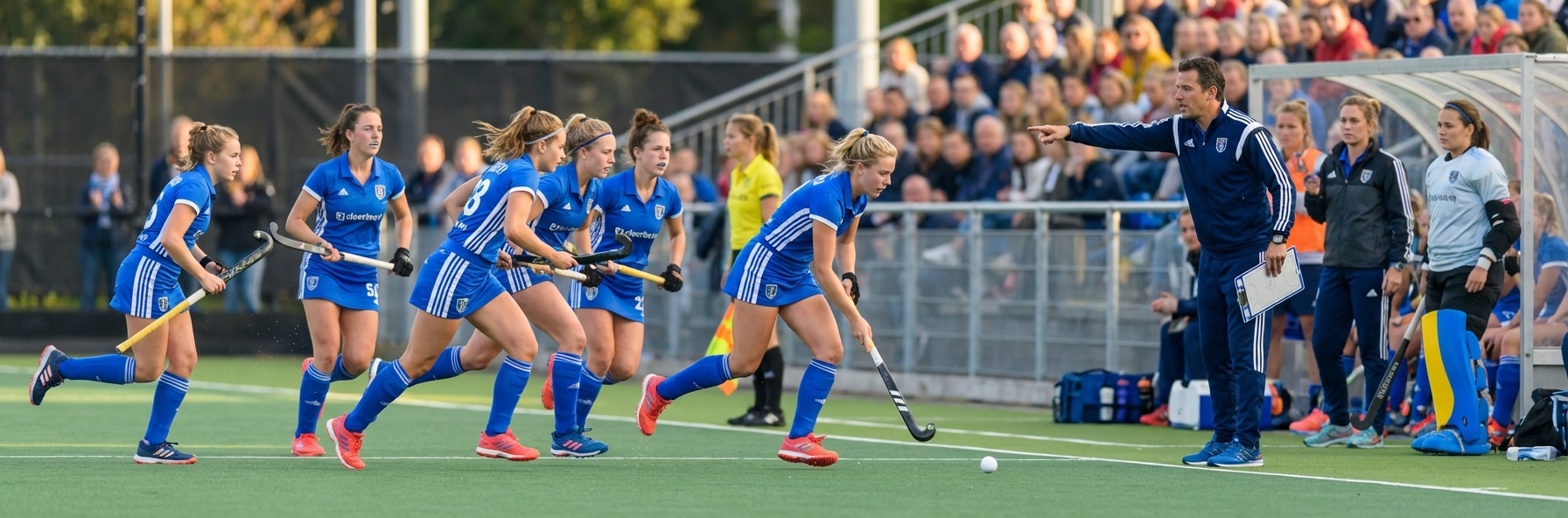
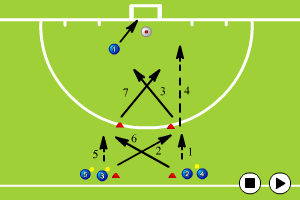
The ball winner needs options. Supporting players must recognise the turnover and immediately offer angles for forward passes. This means runs in behind, movements into channels, players showing for short combinations.
The best transition teams have automatic supporting patterns. When the ball is won in a certain area, certain players make certain runs. This predictability between teammates is unpredictable to opponents.
Carrying Into Space
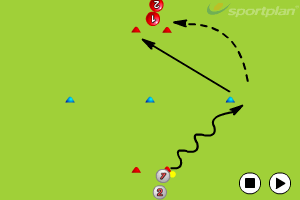
Sometimes the best transition option is the ball carrier themselves. If space opens up ahead, carrying the ball at speed can commit defenders and create opportunities that passes cannot.
Train players to recognise when carrying is the right option and to execute at full speed. Hesitation kills transition advantages.
When to Slow Down
Not every moment calls for speed. There are times when controlling the tempo - slowing the game down - is the intelligent choice:
Protecting a lead: When you're ahead late in the game, keeping possession and reducing risk is often smarter than chasing more goals.
Responding to fatigue: If your team is tiring, slowing the game can provide recovery time while maintaining control.
Breaking opposition rhythm: Some teams thrive on fast, chaotic games. Slowing the tempo can disrupt their flow.
When transition isn't on: If the defence has recovered and no advantage exists, forcing a quick attack often leads to turnovers in bad positions.
Reading the Situation
The key skill is reading which approach is right in each moment. This requires game intelligence that develops through experience and deliberate practice.
Ask your players to articulate their decisions. "Why did you play quickly there?" "Why did you slow it down here?" Building this reflective capacity improves decision-making over time.
Training Tempo Control
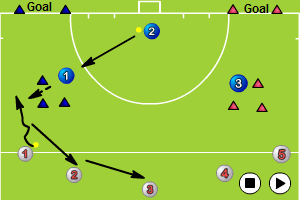
Transition Games: Create games where turnovers trigger specific constraints. When possession changes, the attacking team has 10 seconds to shoot or the attack is over. This forces quick decision-making.
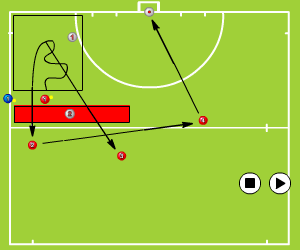
Tempo Zones: Divide the pitch into zones. In some zones, the team must play quickly (limited touches). In others, they can slow down. This builds awareness of when each approach is appropriate.
Conditional Play: Create game conditions that reward different tempos. "Goals from quick transitions count double" in one period, "Possession of over 30 seconds before scoring counts double" in another.
The Communication Piece
Tempo requires shared understanding. Players need to communicate what they're seeing. "Go!" signals the transition opportunity. "Control" signals the need to slow down. Without this communication, you have individuals making conflicting decisions.
Build a vocabulary for tempo that everyone understands and uses consistently.
Key Coaching Points
- Transition starts with a mental shift - train the mindset
- The first pass after turnover is crucial
- Supporting runs must be automatic
- Know when to slow down and control
- Build communication vocabulary for tempo
 sportplan_hockey