This is good for upper body strength.
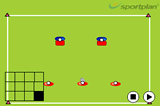
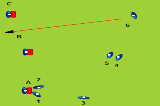
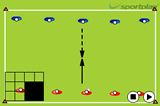
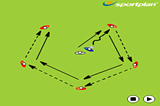
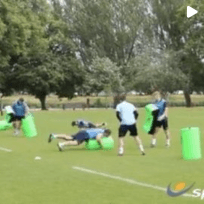
Defenders must stand in a circle about 2 metres apart to keep contact away from injuring anybody unnecessarily. The ball carrier works into a defender who must wrap around and keep hold of the ball, the support attacker must rip the ball from his partner and move onto a different defender for the process to repeat. The 2 attackers are given a time limit to work as hard as possible.
Ball carrier should stay tall when going into contact with defender as well as keeping the ball as far away from the defender as possible. This would be on the hip furthest away from the defender.
Support must use a rip and roll technique to be more effective at getting the ball away from the defender.
If the ball carrier is holding the ball in/on his left shoulder/hip the support runner should use the same shoulder to lead in and rip with, and is the same if it is on the right.
Defenders can spread out further, tackle the ball carrier or bring to ground and then contest for the ball whereby the support runner should clear out the defender.

in more ways than one
 sportplan_netball

in more ways than one
sportplan_rugby
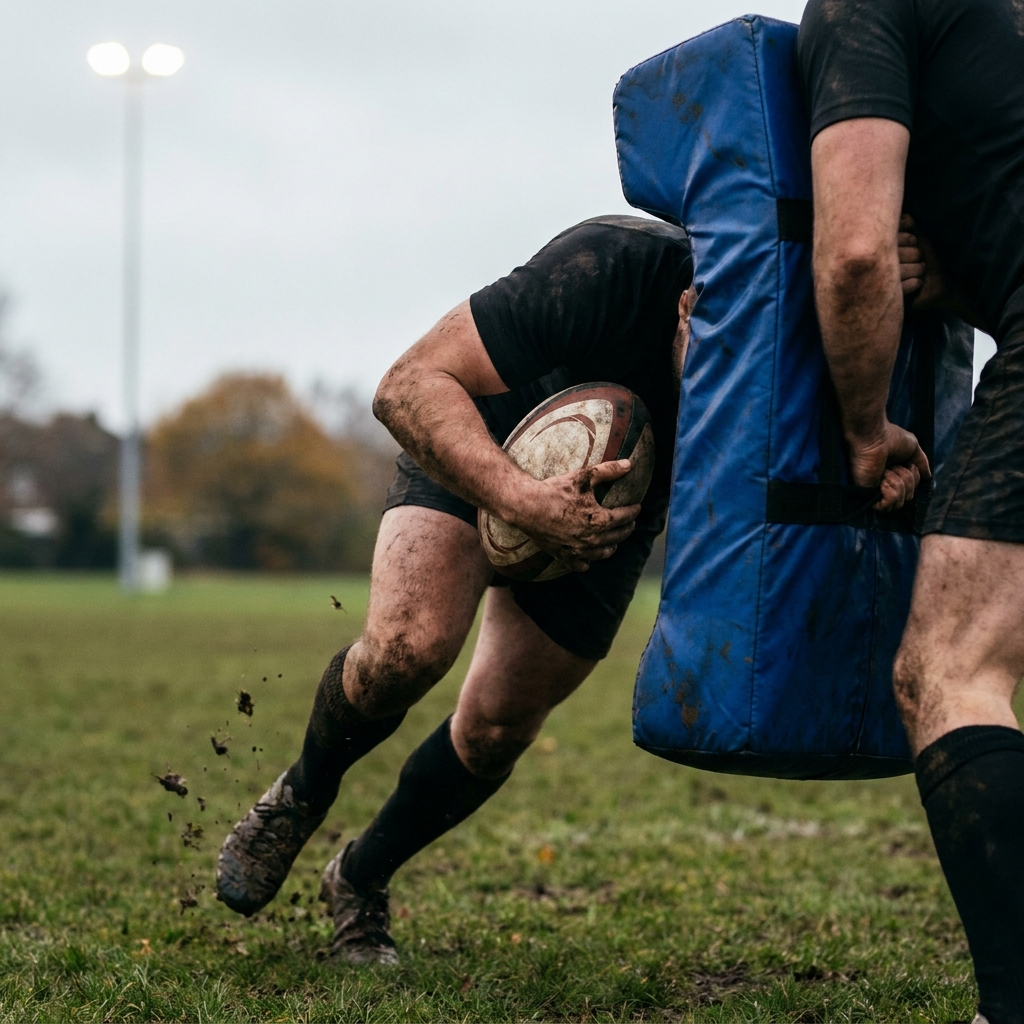
Tacklers are aiming lower, so carriers who dip late put heads at risk. Teach footwork, a strong early body height and leg drive to win the collision safely.
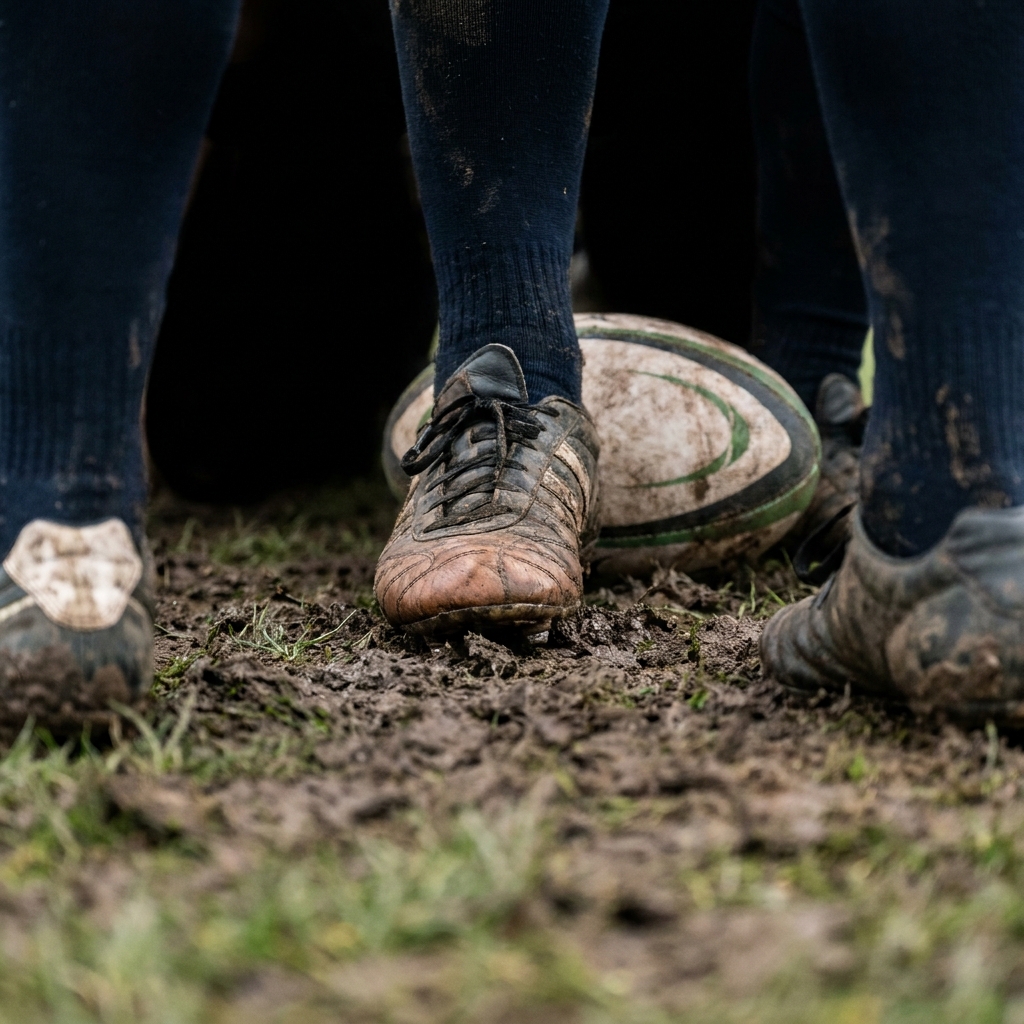
The hooker's brake foot moved from trial into full law in July 2026. Here is how to coach it so your front row stays stable, legal and safe.
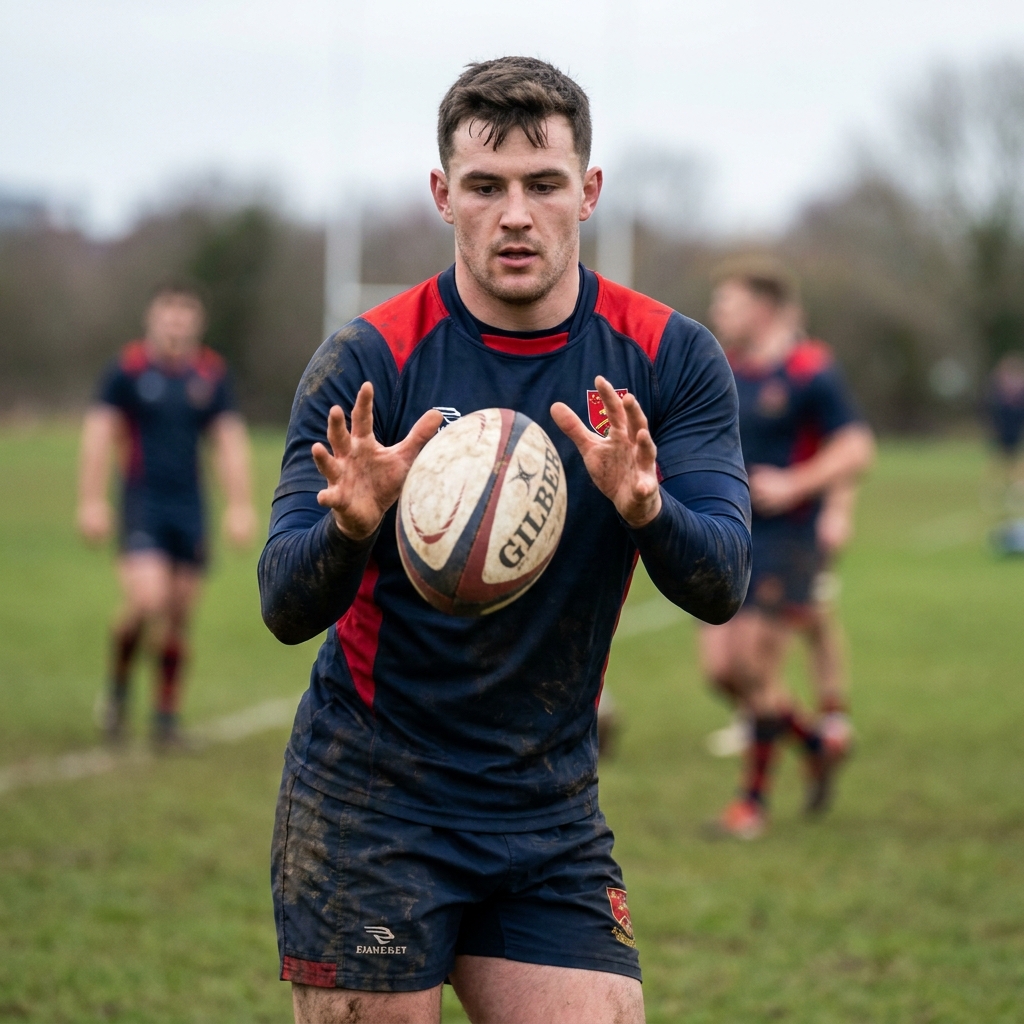
Your players can pass beautifully in a warm-up grid. Then a defender closes, their lungs are burning, and the ball goes to ground. Here is how to build catch-pass skills that hold up when it matters.