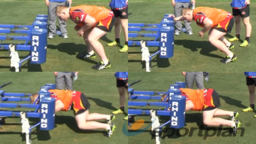
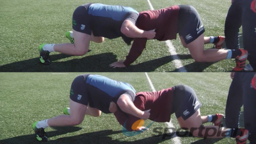
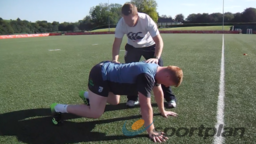
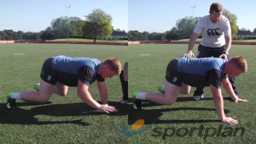
This category focuses on scrummaging technique and teamwork.These drills help front rows and packs improve at the scrum.Perfect for forward units working on set piece dominance.Ideal for coaches building a powerful, cohesive scrum.
A scrum involves eight players from each side locking heads with the opposition. It is a way of restarting play after the ball has gone out to touch, been knocked on, a forward pass has been made or play is too dangerous to continue.
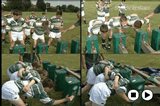
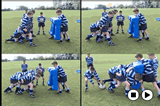
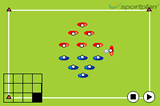
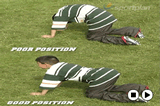
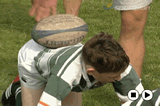
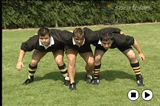
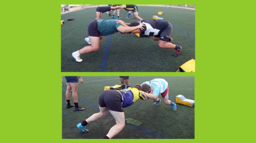
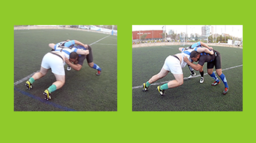
The scrum videos and drills below will develop your players' basic scrummage know how, binding ability and ball striking ability. The 1v1, 3v3, 3 person, 5 person and 6v6 scrum drills will ensure your forwards know the correct technique for engaging, front row binding and striking when the ball is fed into the scrum.
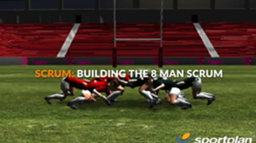
A scrum involves a team's forwards binding together in a 3-4-1 formation: the hooker, two props, two second rows, two flankers and the number eight. The scrum is formed at the place where the infringement occurred and must take place at least 10m from the touch or goal lines. The team which did not commit the offence has the advantage of having the loosehead put in the ball to the scrum.

in more ways than one
 sportplan_rugby

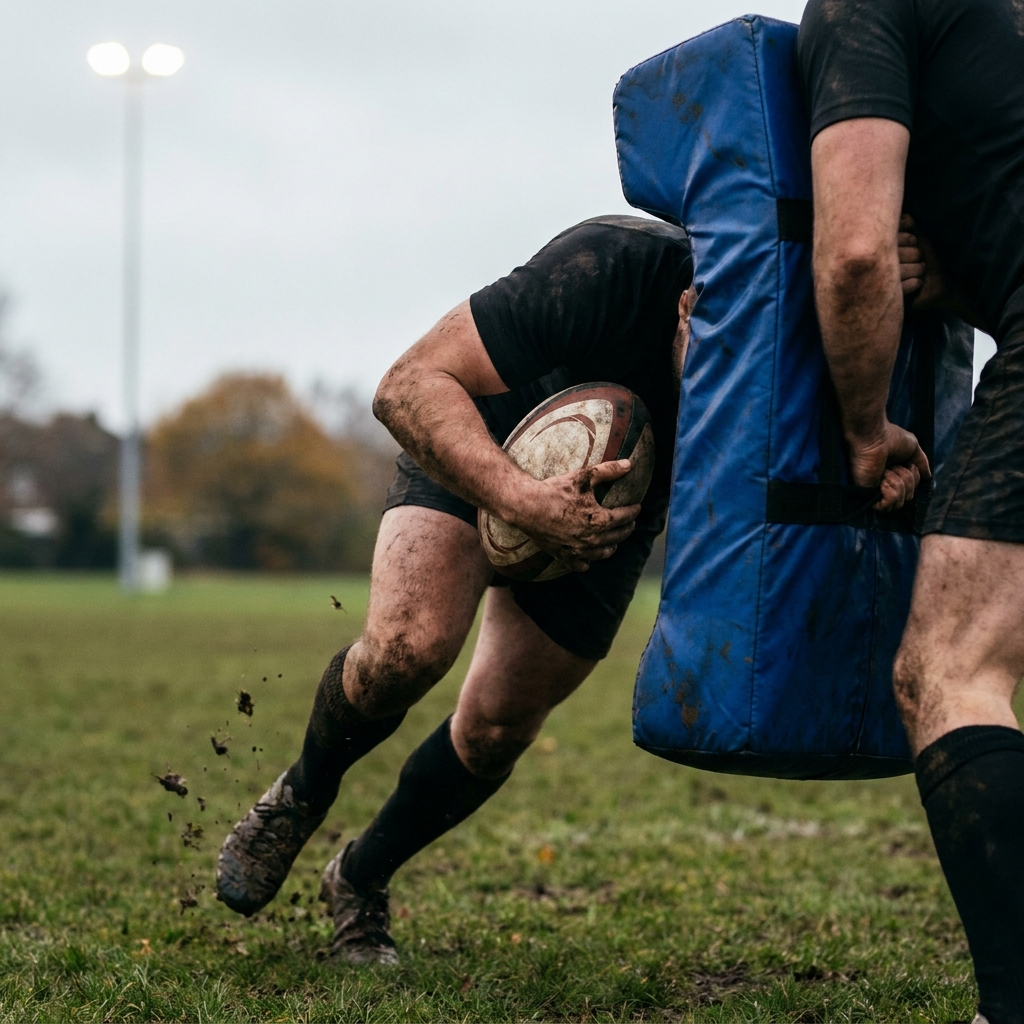
Tacklers are aiming lower, so carriers who dip late put heads at risk. Teach footwork, a strong early body height and leg drive to win the collision safely.
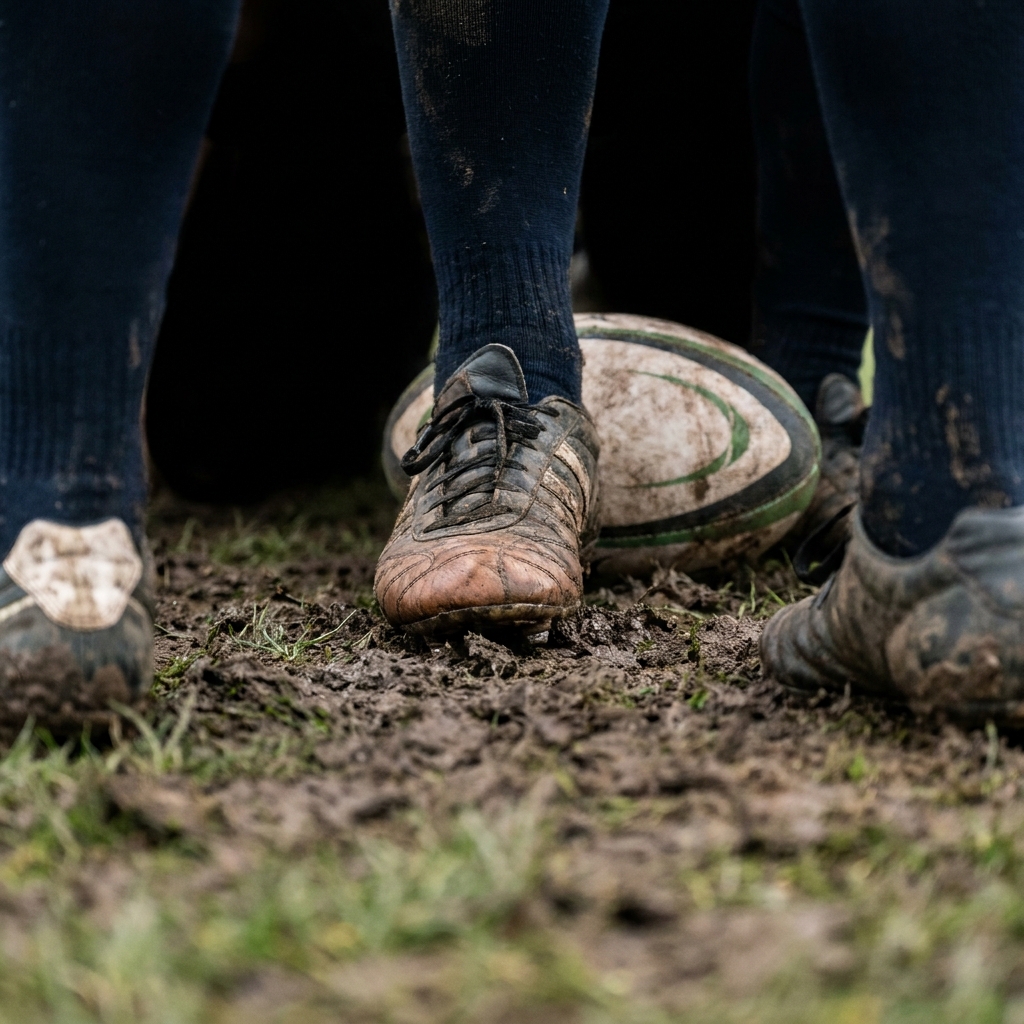
The hooker's brake foot moved from trial into full law in July 2026. Here is how to coach it so your front row stays stable, legal and safe.
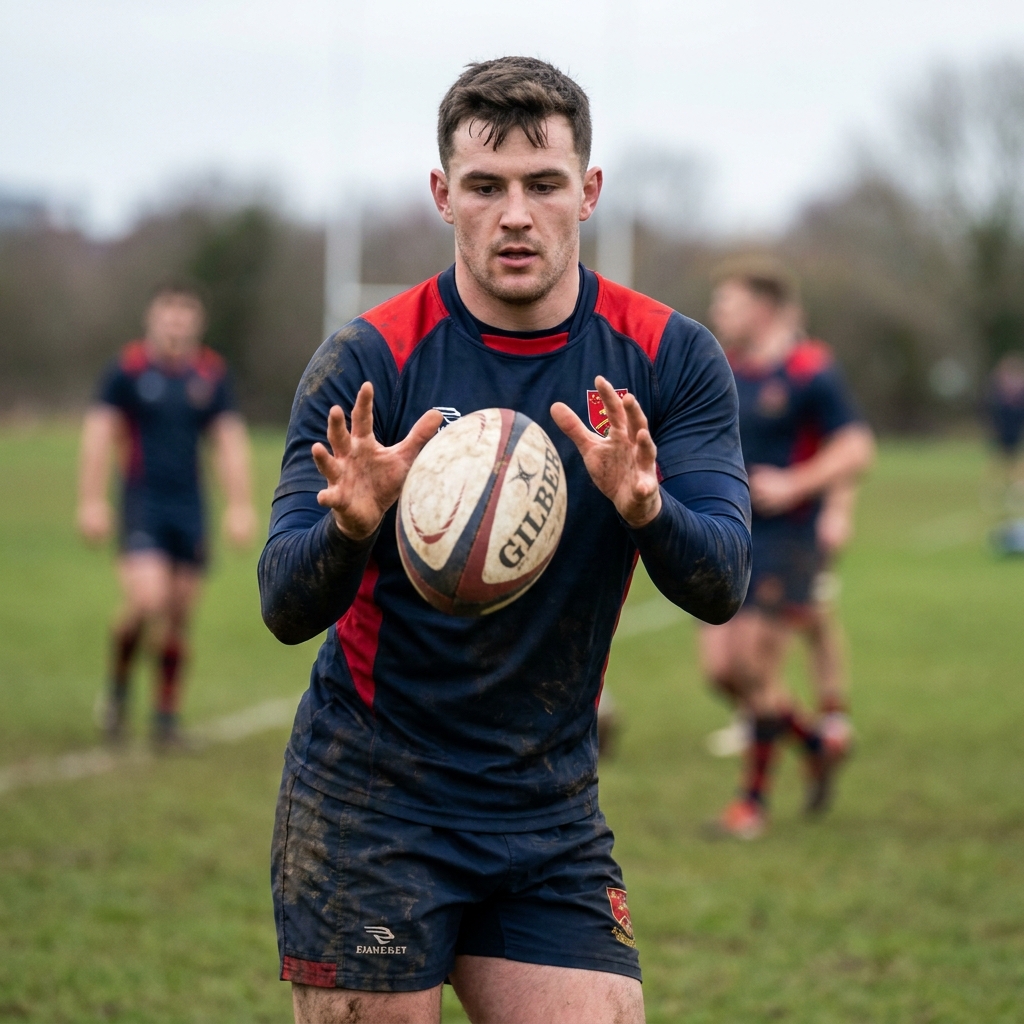
Your players can pass beautifully in a warm-up grid. Then a defender closes, their lungs are burning, and the ball goes to ground. Here is how to build catch-pass skills that hold up when it matters.