This training programme is focused purely on the conditioning of your squad.
So far we have concentrated heavily on developing skills and starting the development of continuity and defensive structures within your team. We’ve also left the personal conditioning side to the player’s own programmes. We all know that some players are more hard working than others.
Individual and collective fitness/conditioning is critical to a successful team. All your players need to have the basic level of conditioning that will allow them to fulfil their individual, unit and team roles within the team. It will also help you shape your selection process and identify the players who need to do extra sessions in the next 4 weeks or so before the first game of the season.
Tonight you’ll find out who has been putting in the effort and who hasn’t.
in more ways than one
 sportplan_netball
in more ways than one
sportplan_rugby
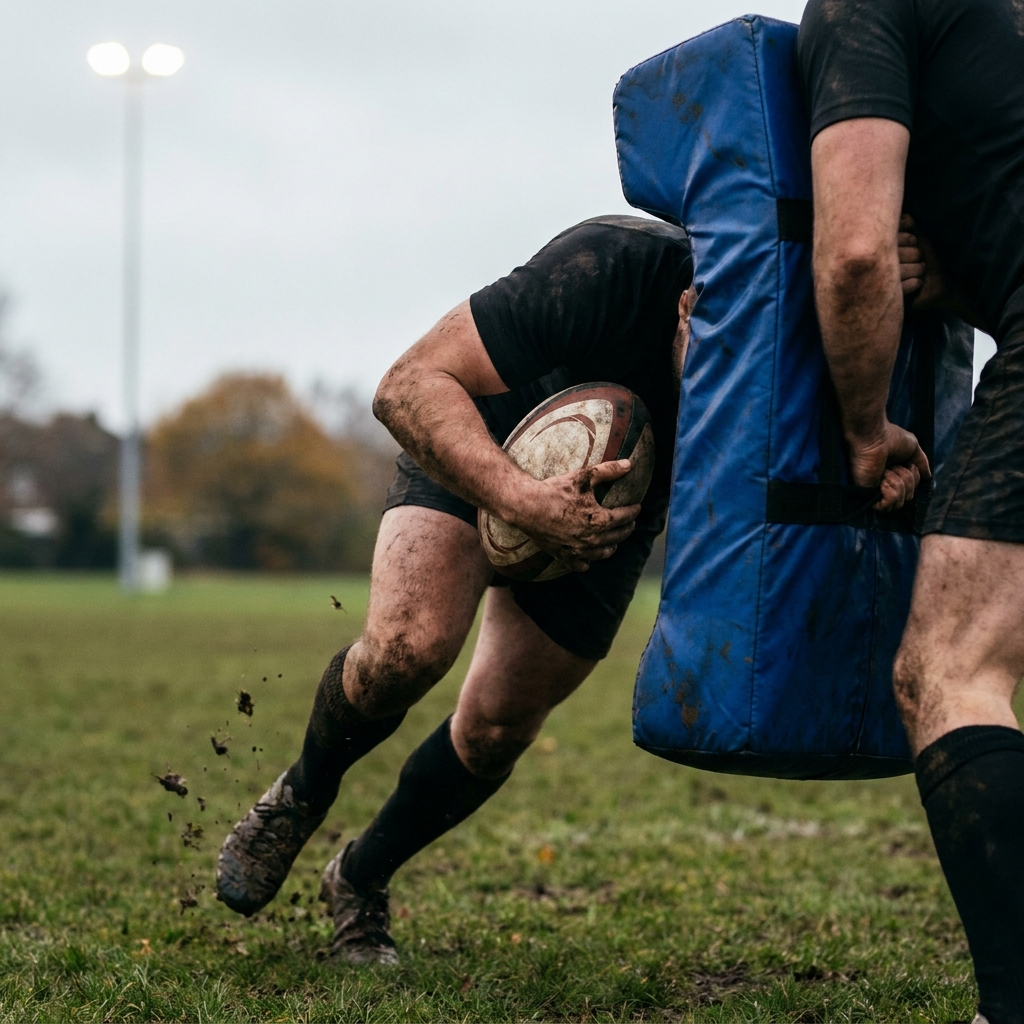
Tacklers are aiming lower, so carriers who dip late put heads at risk. Teach footwork, a strong early body height and leg drive to win the collision safely.
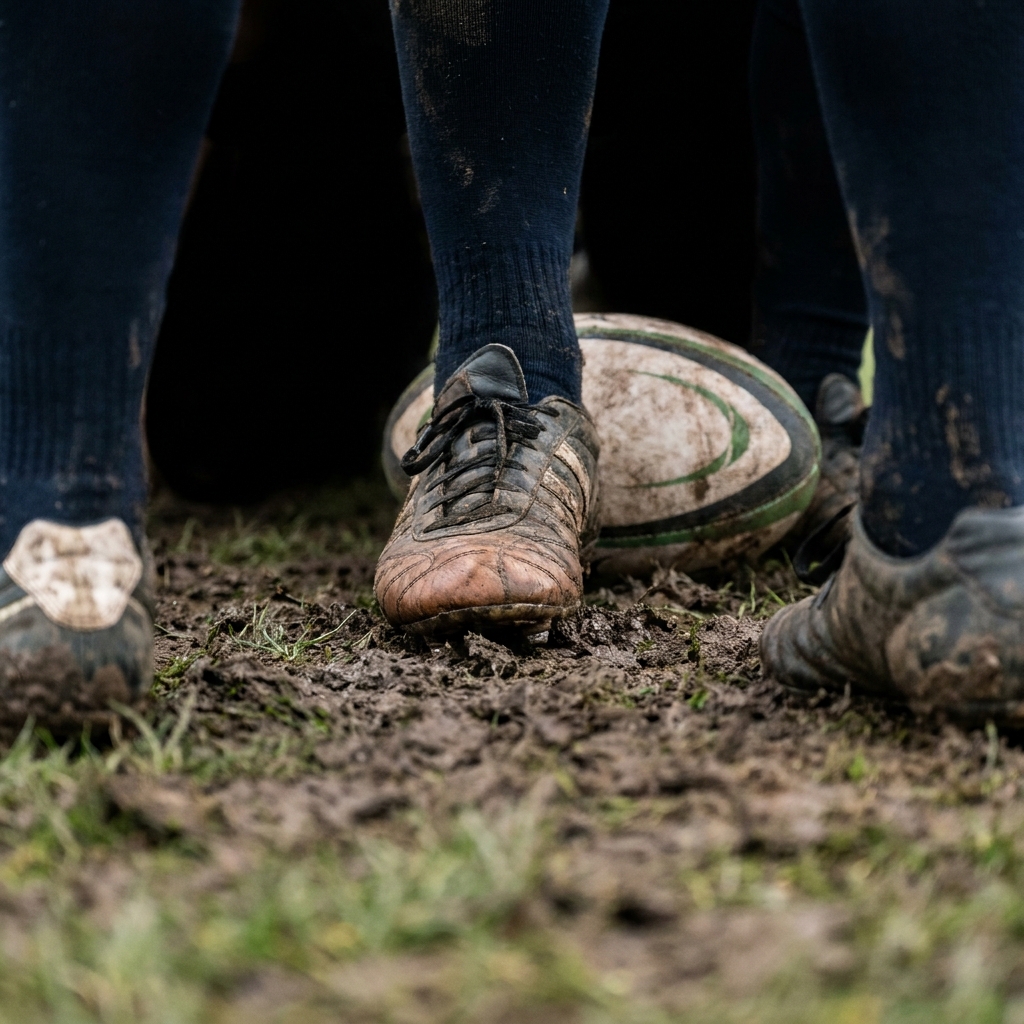
The hooker's brake foot moved from trial into full law in July 2026. Here is how to coach it so your front row stays stable, legal and safe.
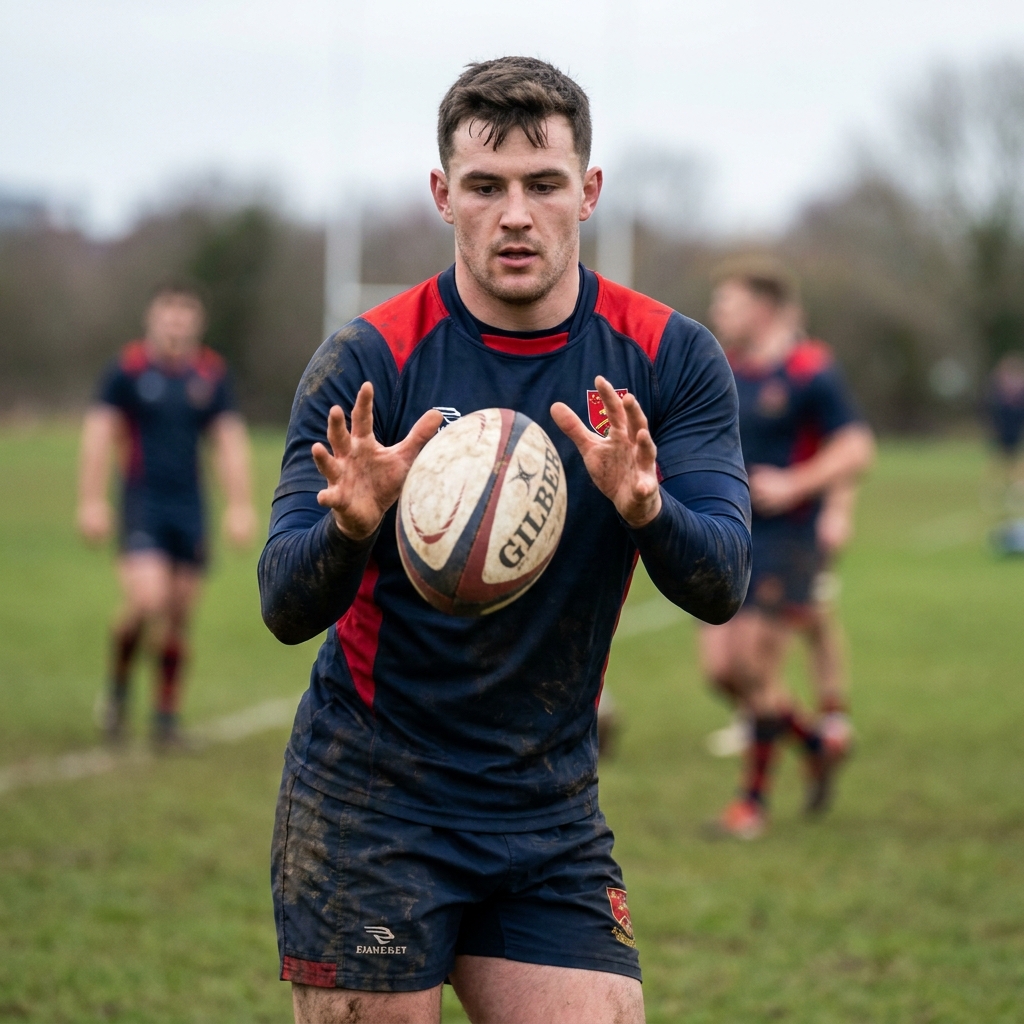
Your players can pass beautifully in a warm-up grid. Then a defender closes, their lungs are burning, and the ball goes to ground. Here is how to build catch-pass skills that hold up when it matters.