Did you know that on average a professional rugby player on average will run 12km in a game? Your players probably aren't at professional standard yet but nonetheless they will need to fit if they want to challenge this season.
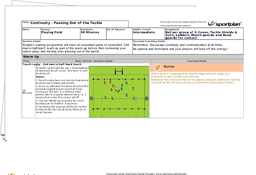
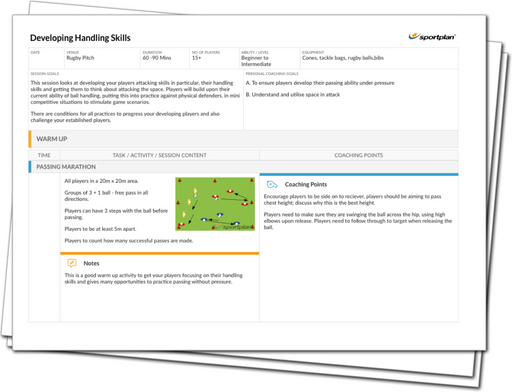
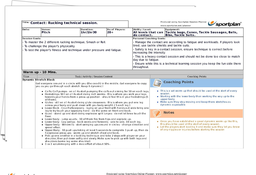
To work your players hard and see what the summer break has done to their fitness levels we test their tackling and passing technique. Tackling is tremendously energy sapping and where possible players should always look to pass the ball out of trouble in order to avoid the breakdown and preserve their energy with continuity skills.
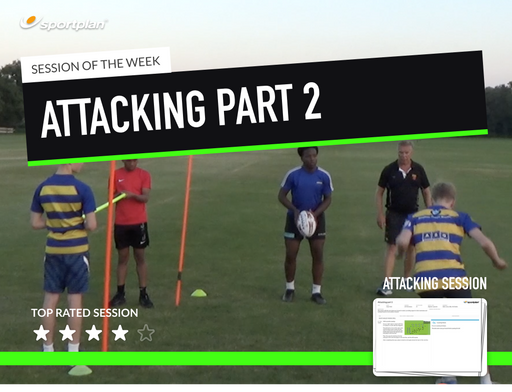
To promote these positive playing values in your players we continue from where session 1 left off by looking at option plays before then progressing into some ball handling pressure drills.
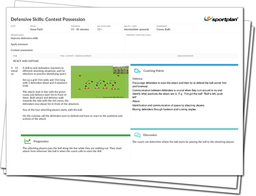
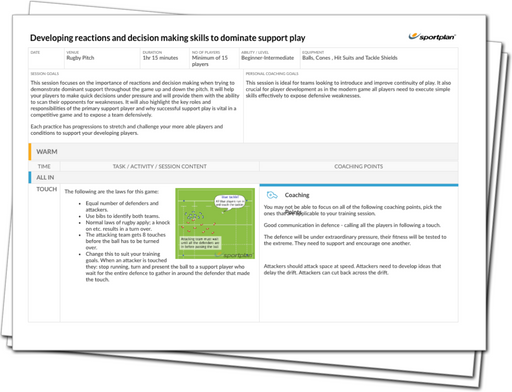
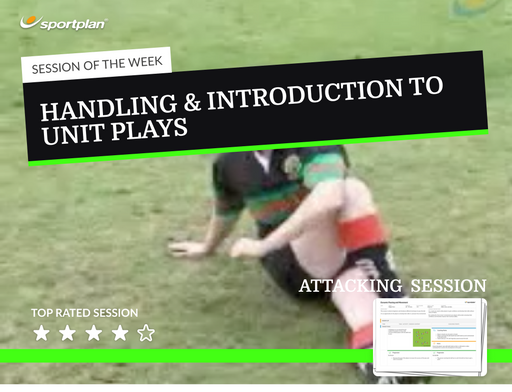
In these exercises your players will practice playing with contact where the objective is to try and avoid going to ground with the ball - instead successfully offloading the ball with use of continuity skills. However it's not always possible to get the ball out in time which is why we then look at speed mauling to support the first player.

in more ways than one
 sportplan_netball
in more ways than one
sportplan_rugby

Tacklers are aiming lower, so carriers who dip late put heads at risk. Teach footwork, a strong early body height and leg drive to win the collision safely.

The hooker's brake foot moved from trial into full law in July 2026. Here is how to coach it so your front row stays stable, legal and safe.
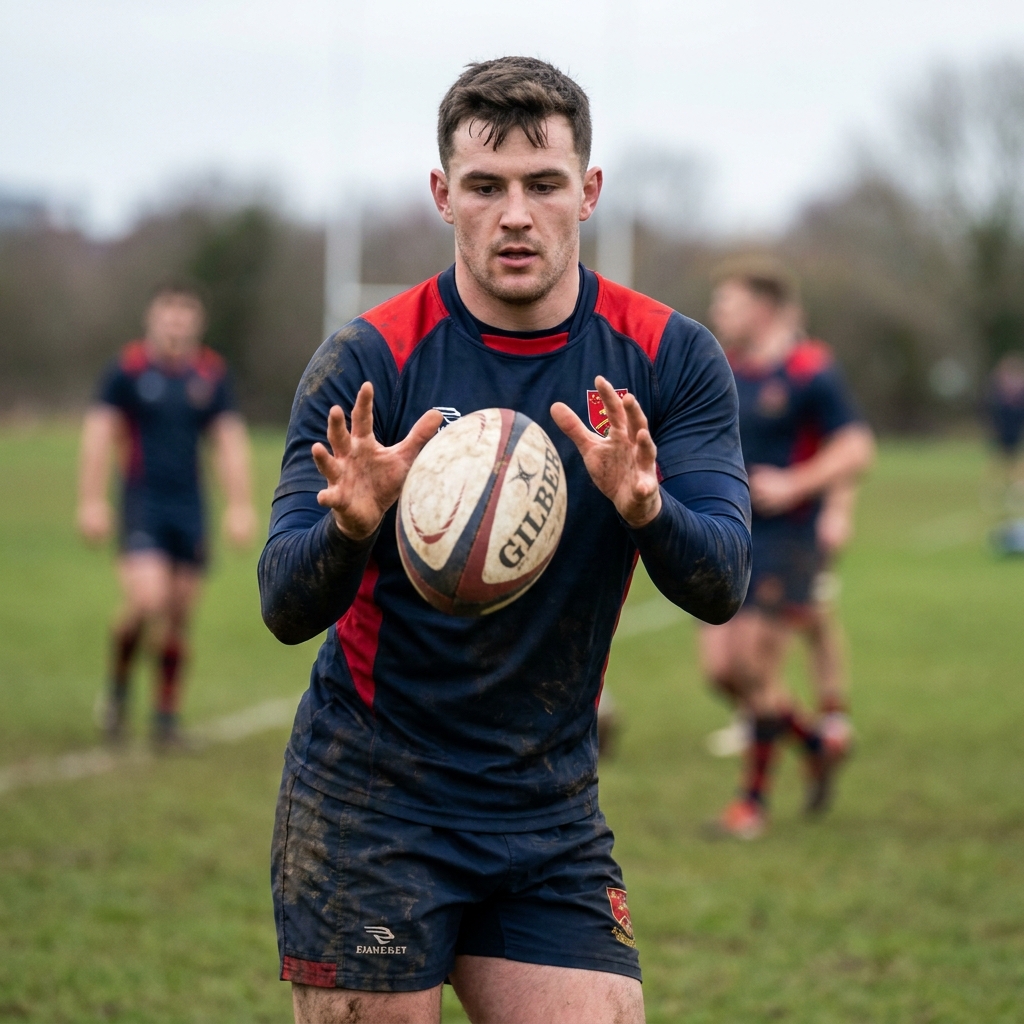
Your players can pass beautifully in a warm-up grid. Then a defender closes, their lungs are burning, and the ball goes to ground. Here is how to build catch-pass skills that hold up when it matters.