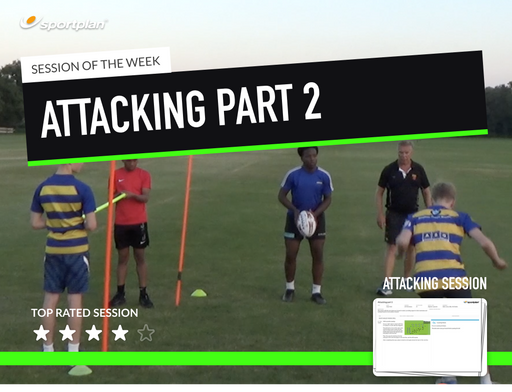
Crossing the gain line is great, but when you come into contact, keeping the ball alive will make your attacks so much more dangerous. This session looks at the timing and technique to keep the ball alive with offloads.
Don’t let the defence set by keeping the attack alive.
What's in the session?
Warm-up with a couple of games of touch to get the players into the right frame of mind and their heart rates up. This is a great time to have a bit of fun so that when it comes to the serious stuff, they’re ready to go! The technical practices in the session focus initially on providing support to the ball carrier so that when they go into contact, there is a teammate on their shoulder for the offload. It then goes on to build in the skill itself and being able to distribute the ball effectively. Finally, the session ends with a conditioned game that stipulates that offloads are the only way to pass the ball.
Technique Focus - Offload with accurate timing and proper technique PLUS provide support behind the ball carrier.
Keep the attack alive with offloads and don’t allow the defence to set up.

in more ways than one
 sportplan_netball

in more ways than one
sportplan_rugby
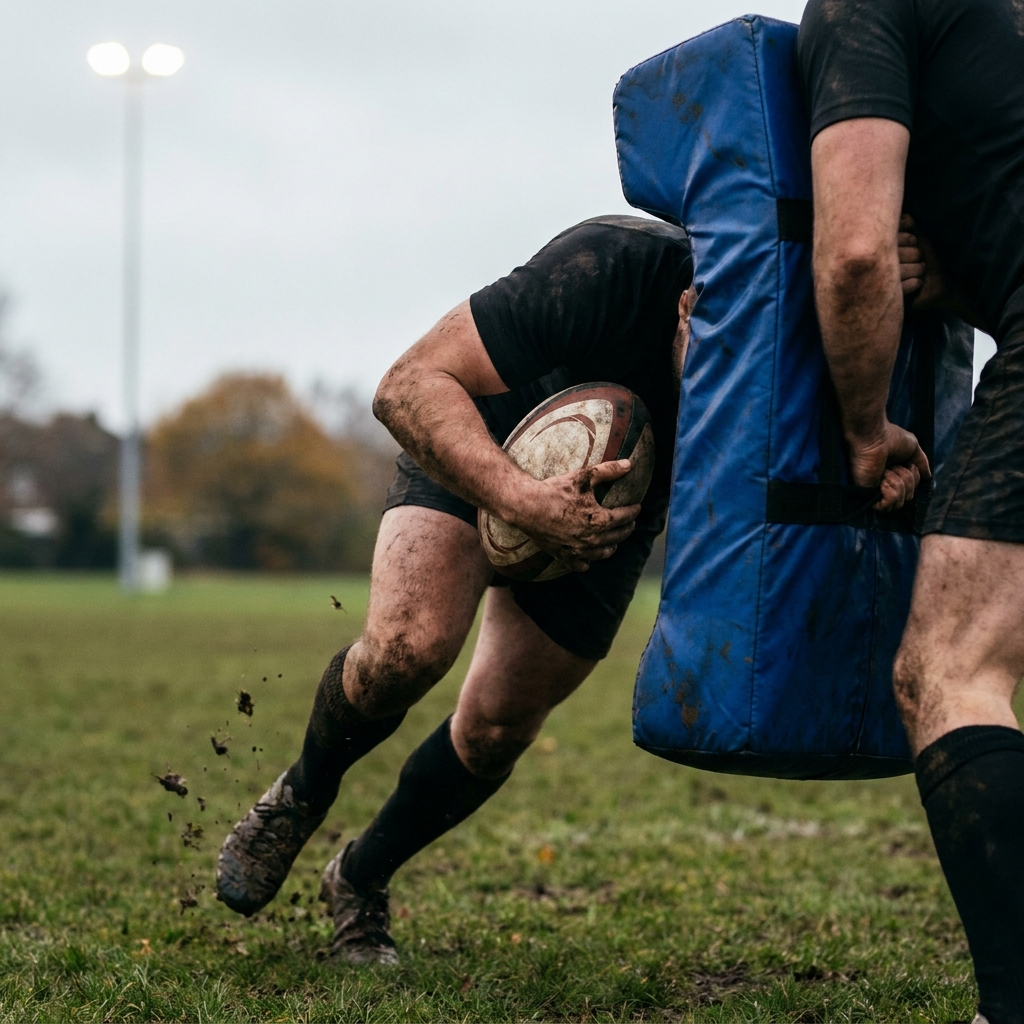
Tacklers are aiming lower, so carriers who dip late put heads at risk. Teach footwork, a strong early body height and leg drive to win the collision safely.

The hooker's brake foot moved from trial into full law in July 2026. Here is how to coach it so your front row stays stable, legal and safe.
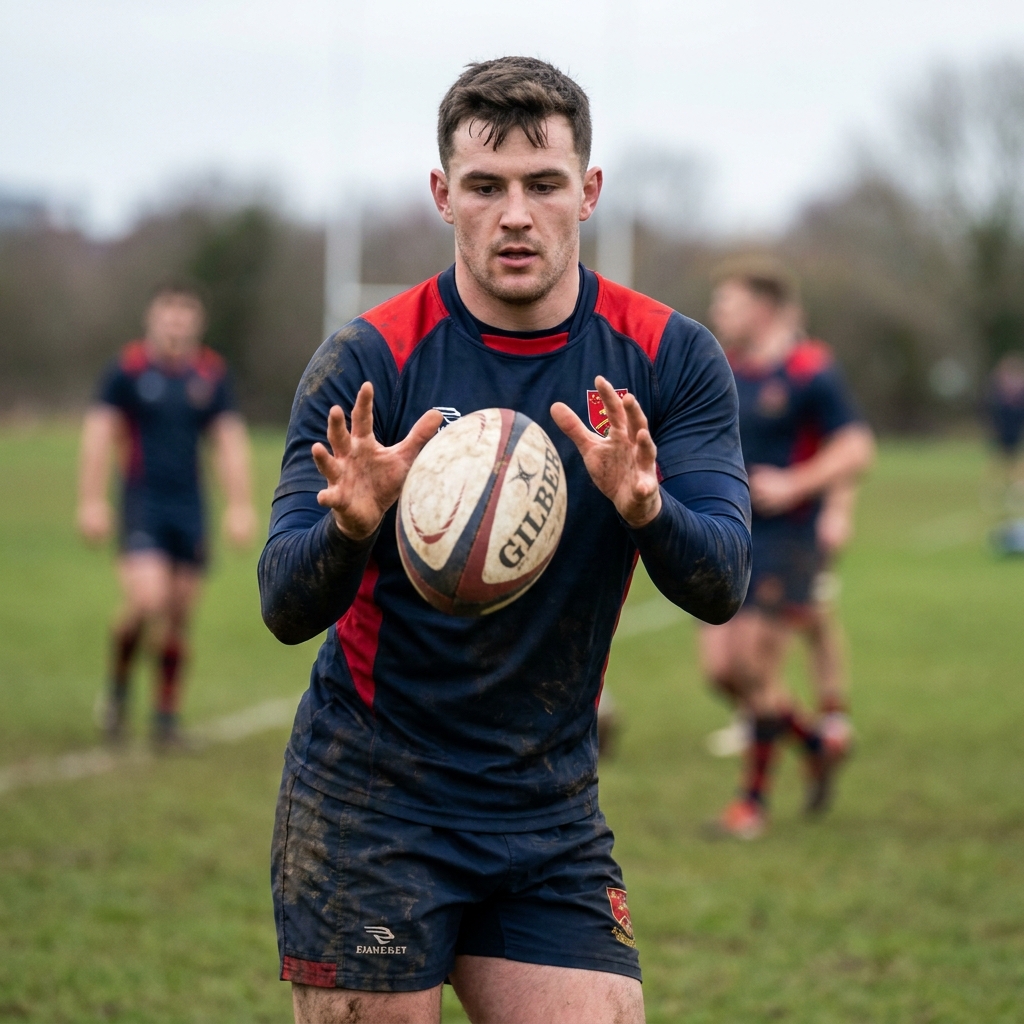
Your players can pass beautifully in a warm-up grid. Then a defender closes, their lungs are burning, and the ball goes to ground. Here is how to build catch-pass skills that hold up when it matters.