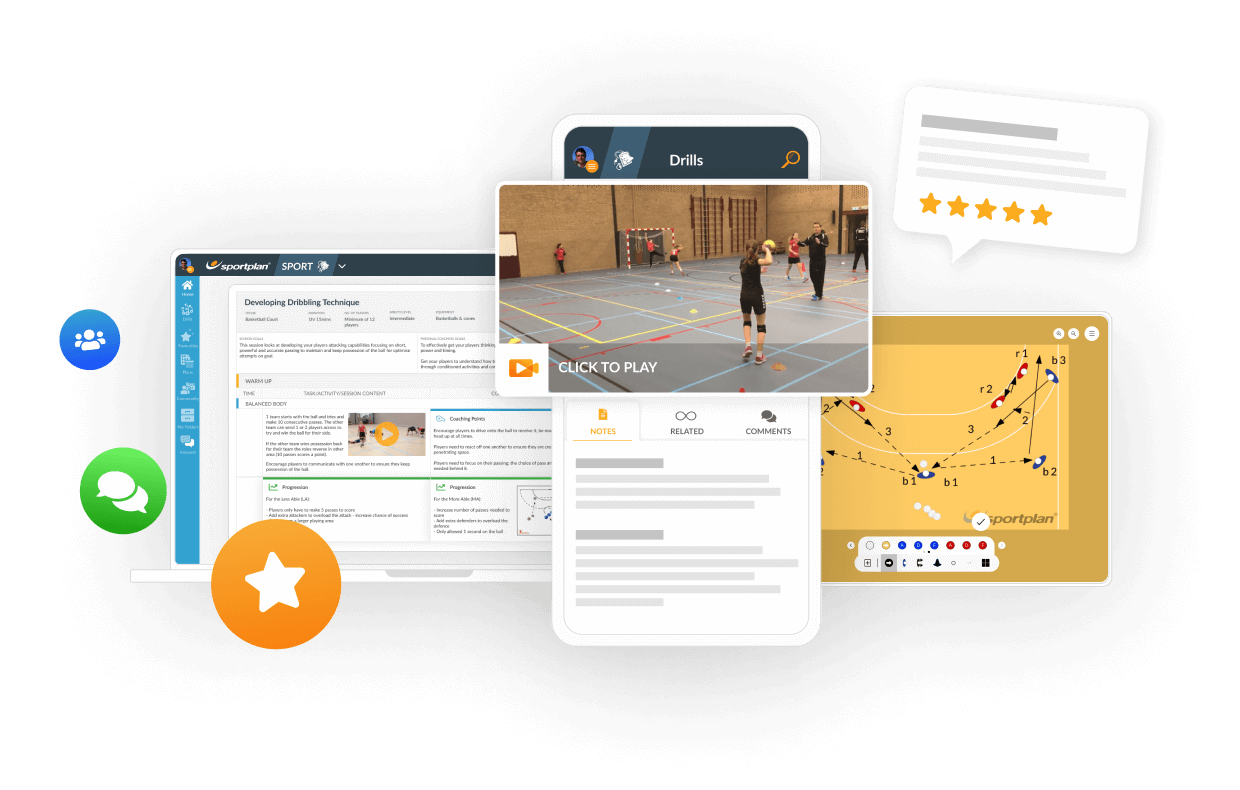
everyone has a ball and running around the court in a line. on the whistle the last person speeds up and become the first one by running faster while keeps dribbling. after everyone had a go, the first person leads the 'snake' with changing directions, hands, speed, sitting down, walking on knees, running backwards etc while everyone keeps dribbling.
first time coach should give instructions if the players have never done it. set the pace to be suitable for everyone. make two teams if necessary (too many players, different levels) and mark their area with cones or lines.
This practice has no coaching points
This practice has no progressions
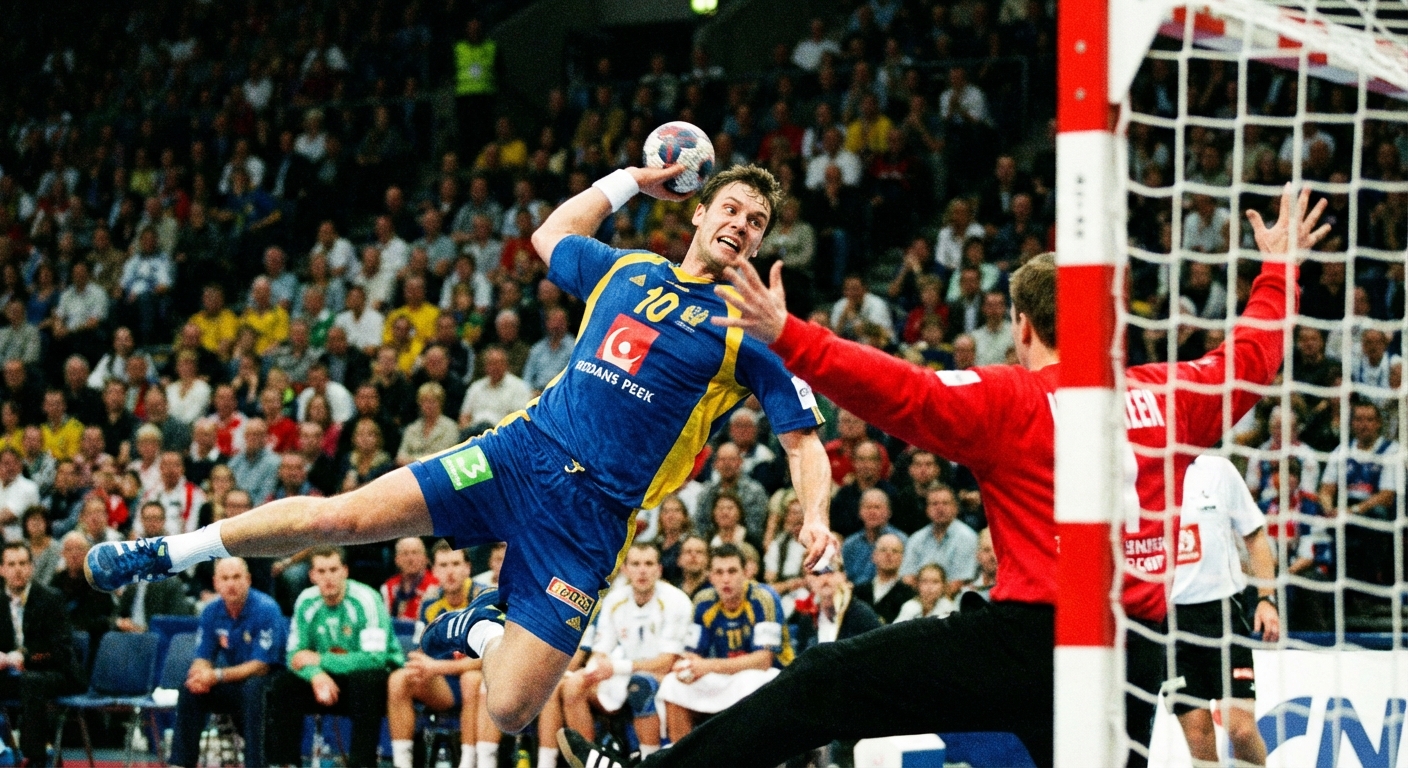
Wing players operate in the most demanding shooting position on a handball court, where acute angles and a close goalkeeper make finishing a specialist skill. This article breaks down the technique, decision-making, and training progressions that coaches need to develop elite wing finishing.
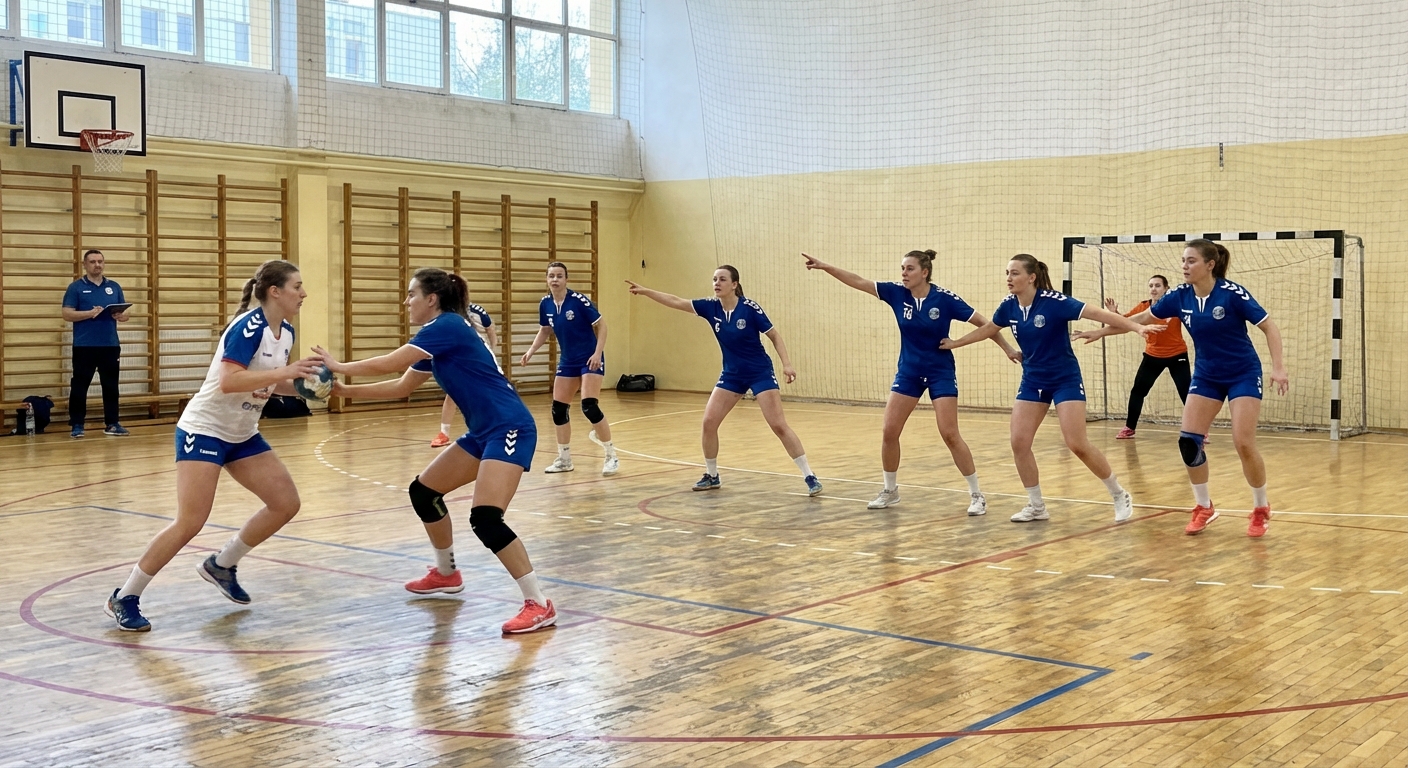
The transition from attack to defence is the most vulnerable moment in handball. This article examines the 3-second recovery principle, the specific roles players must adopt during transition, and the training scenarios that build a team's ability to recover defensive shape under pressure.
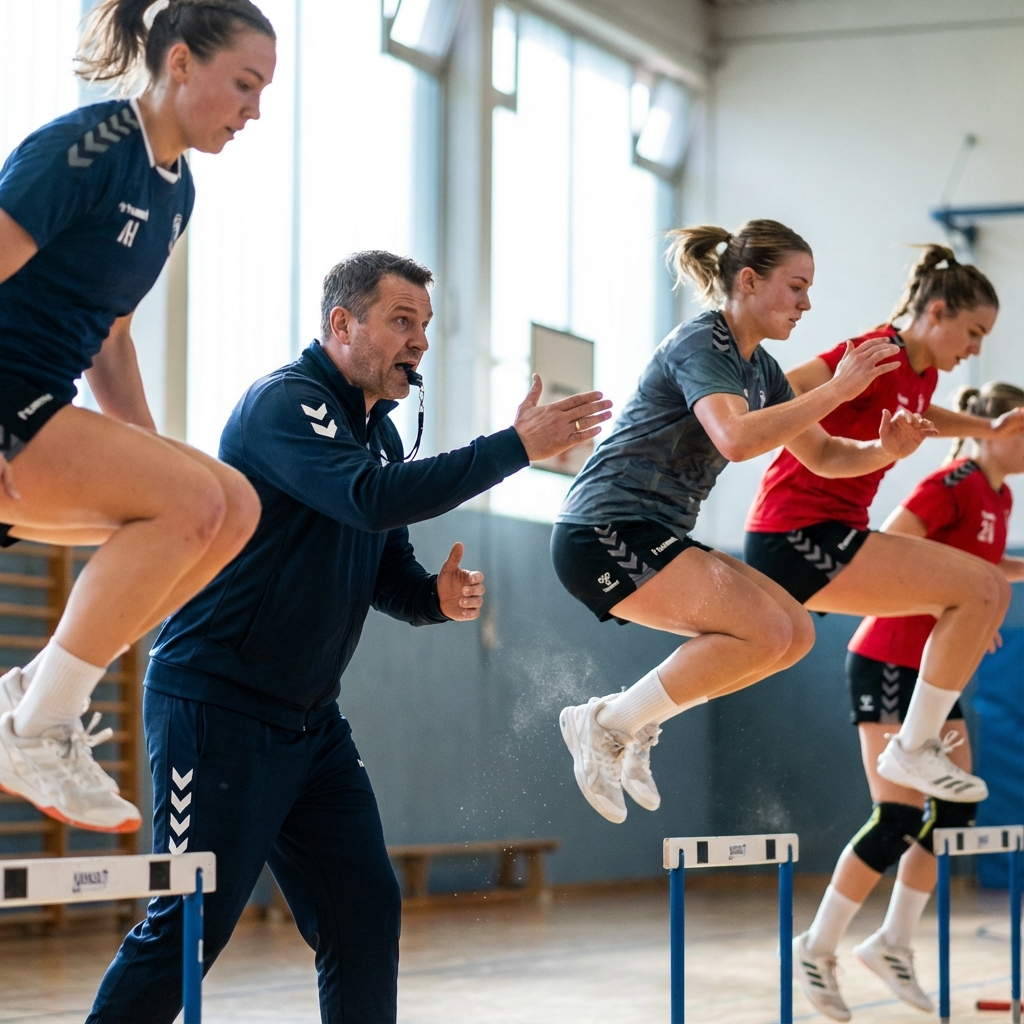
Handball demands explosive power, repeated sprint ability, and the strength to compete physically for 60 minutes. Sport-specific conditioning develops the athletic qualities that underpin elite performance.


Register for FREE and get coaching tips, top drills, session and more every week!