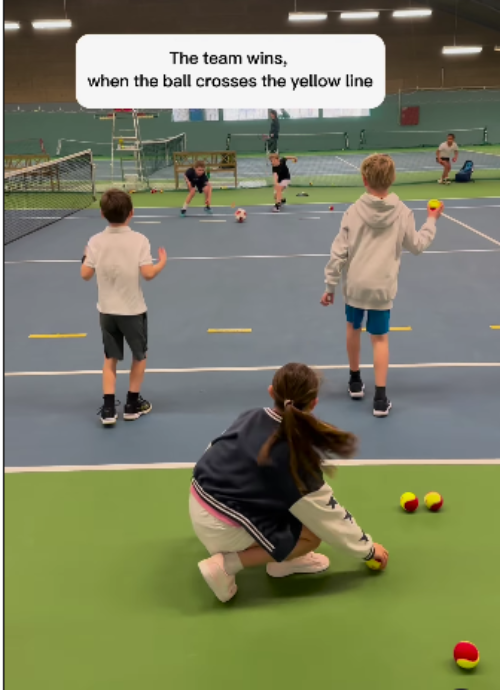
The race will work as follows: 1. Two teams will line up as shown in the diagram. The aim of the race is for a team to get all the balls from one end of the court back into their nest before the other team. 2. The coach will select a shot that the players must hit, such as a forehand or backhand. 3. The first player in line will race to a set of balls located just behind the service line on the other end of the court. 4. They will then take one of the balls and play a shot from the service line, hitting the shot back to the other end of the court towards their teammates. The ball must land in the service box on the other end of the court. 5. If it doesnât the 2nd player in line must throw the ball back to the 1st player to try again, or if it goes into the net the 1st player must run, grab the ball and go back to the service line to hit it again. 6. If the 1st player hits the shot into the service box, then the 2nd player will collect the ball and take it back to the nest (which is a hula hoop in front of their teamâs line â as shown in the diagram). 7. Then this process will repeat again, however it will be the 2nd player now running to the other side to hit a shot, and the 3rd player in line catching and collecting the ball to put back in the nest. The 1st player will during this time rejoin the back of the line. 8. The first team to get all their balls into their nest wins.
This practice has no coaching points
This practice has no progressions
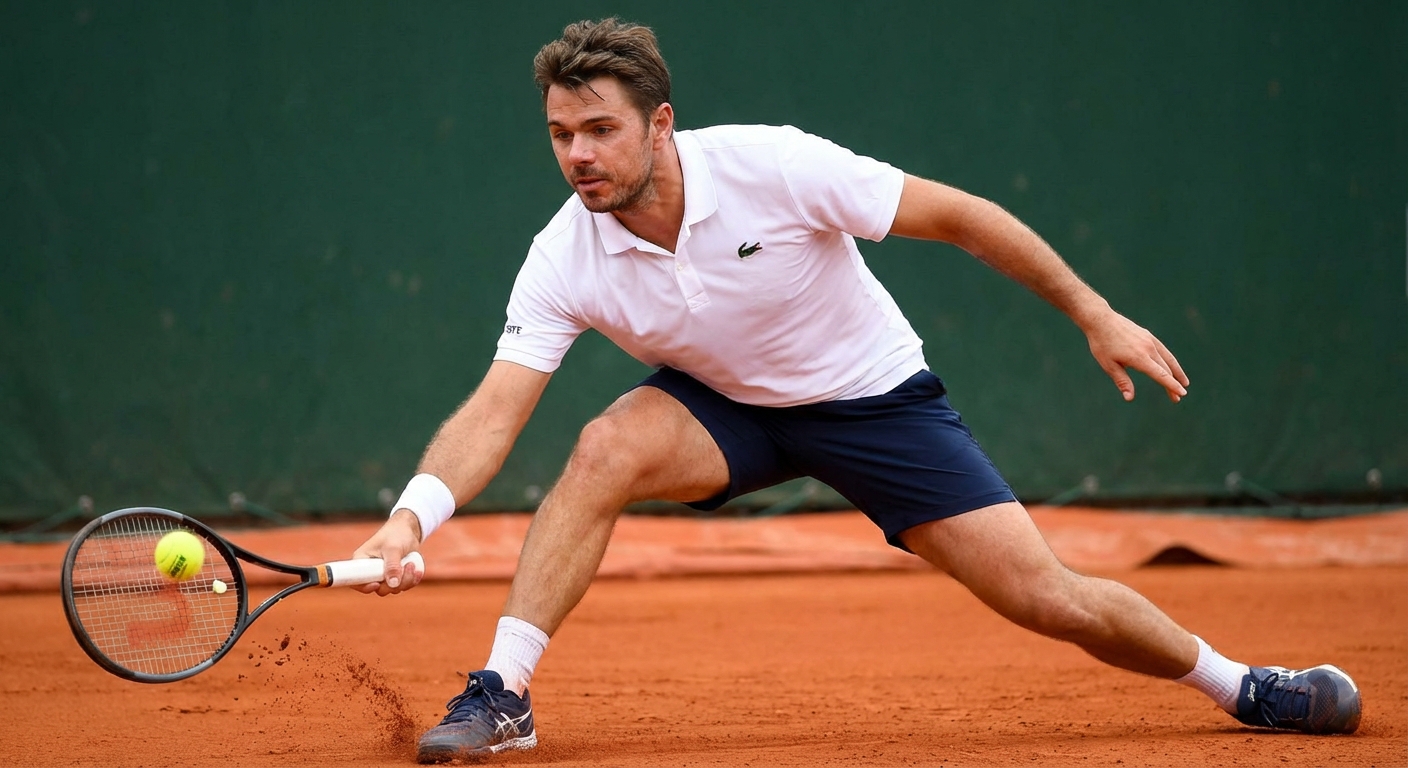
The slice backhand is experiencing a renaissance in modern tennis, valued for its ability to change pace, create approach opportunities, and neutralise powerful opponents. This guide breaks down the technique, tactical applications, and training progressions coaches need to develop this essential shot at every level.
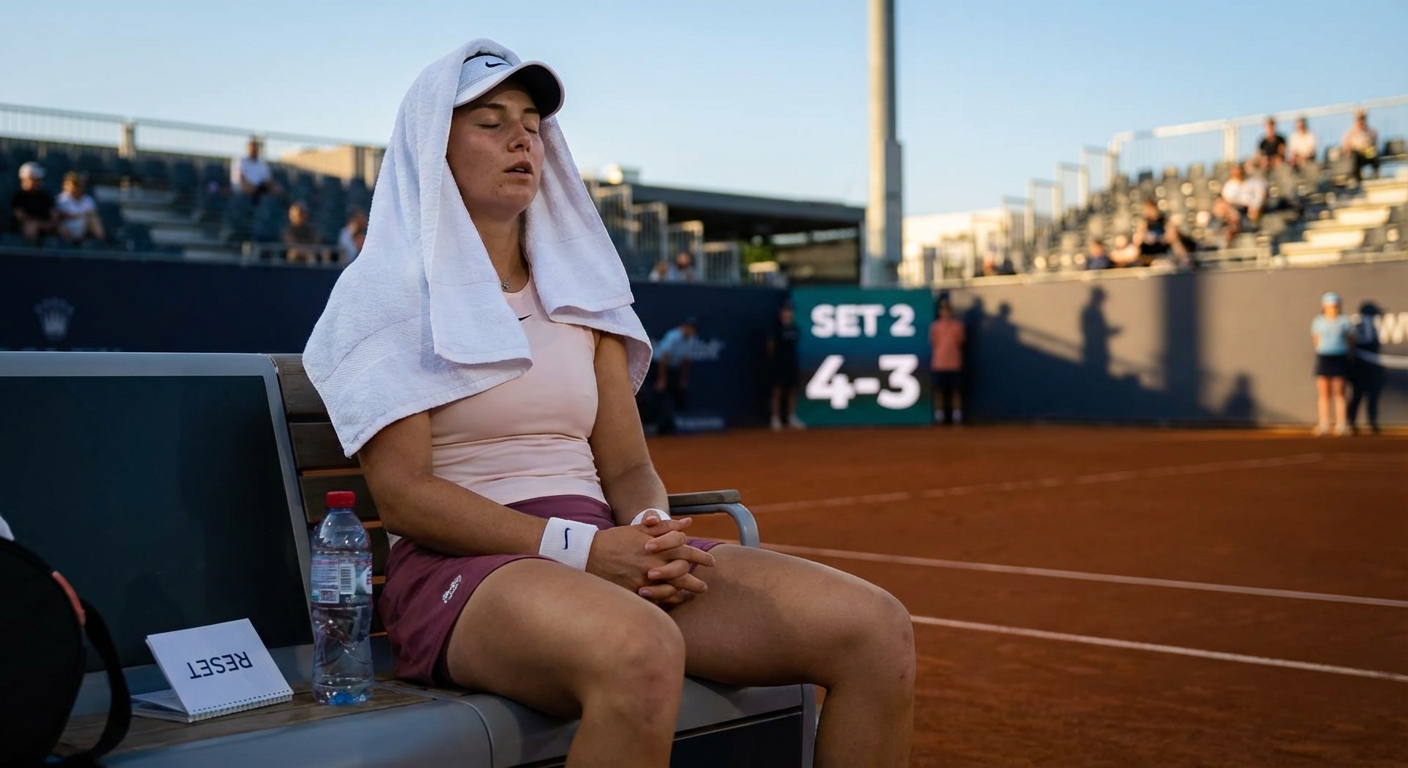
The 90 seconds of a changeover can determine the outcome of a tennis match. This article explores structured changeover routines that help players process the previous game, regulate emotions, and plan tactically for the next game - skills that separate consistent performers from talented underachievers.
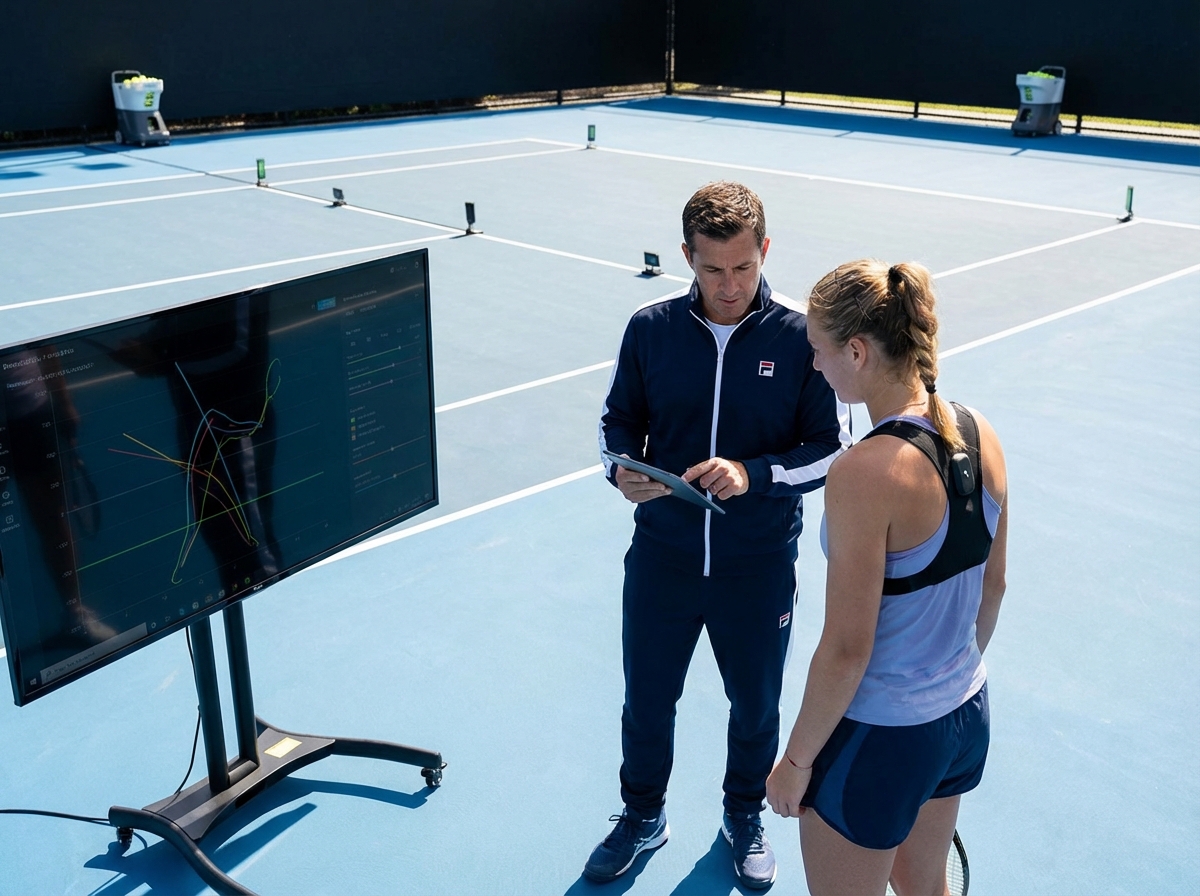
From sensor-equipped rackets to AI-powered coaching, technology is making tennis training more precise than ever. Here's what actually works.


Register for FREE and get coaching tips, top drills, session and more every week!