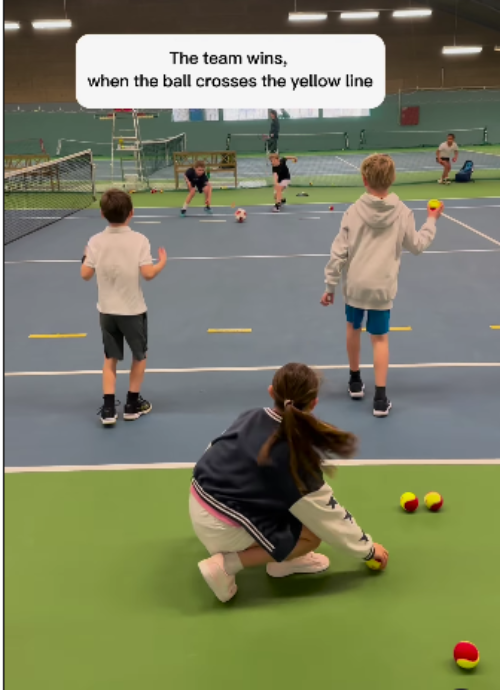
The kids line up at one end of the court. Feed from the opposite side of the net. Each kid gets a certain number of chances to get a forehand or backhand into the doubles court. If she gets one in, she is safe. If not, she goes to jail: she goes to the other end of the court where she'll try to catch a ball hit by another player. If she makes her catch, she is free from jail, and the player she caught goes to jail. When only one player is left, she tries to get three shots in that don't get caught before she misses three. If she succeeds, she wins the game. If someone catches one of her shots, it's a jailbreak: everyone is free, and a new round begins. Give weaker players three chances, stronger just one, and vary the depth from which they hit according to their abilities. Let weaker catchers catch after one bounce in jail. Very small kids can simply touch a ball in the air to be freed. If jail starts to get crowded, limit the prisoners to two steps to get to a ball. That will keep the more aggressive players from running into or in front of other players. Keep the playing area clear of loose balls.
This practice has no coaching points
This practice has no progressions
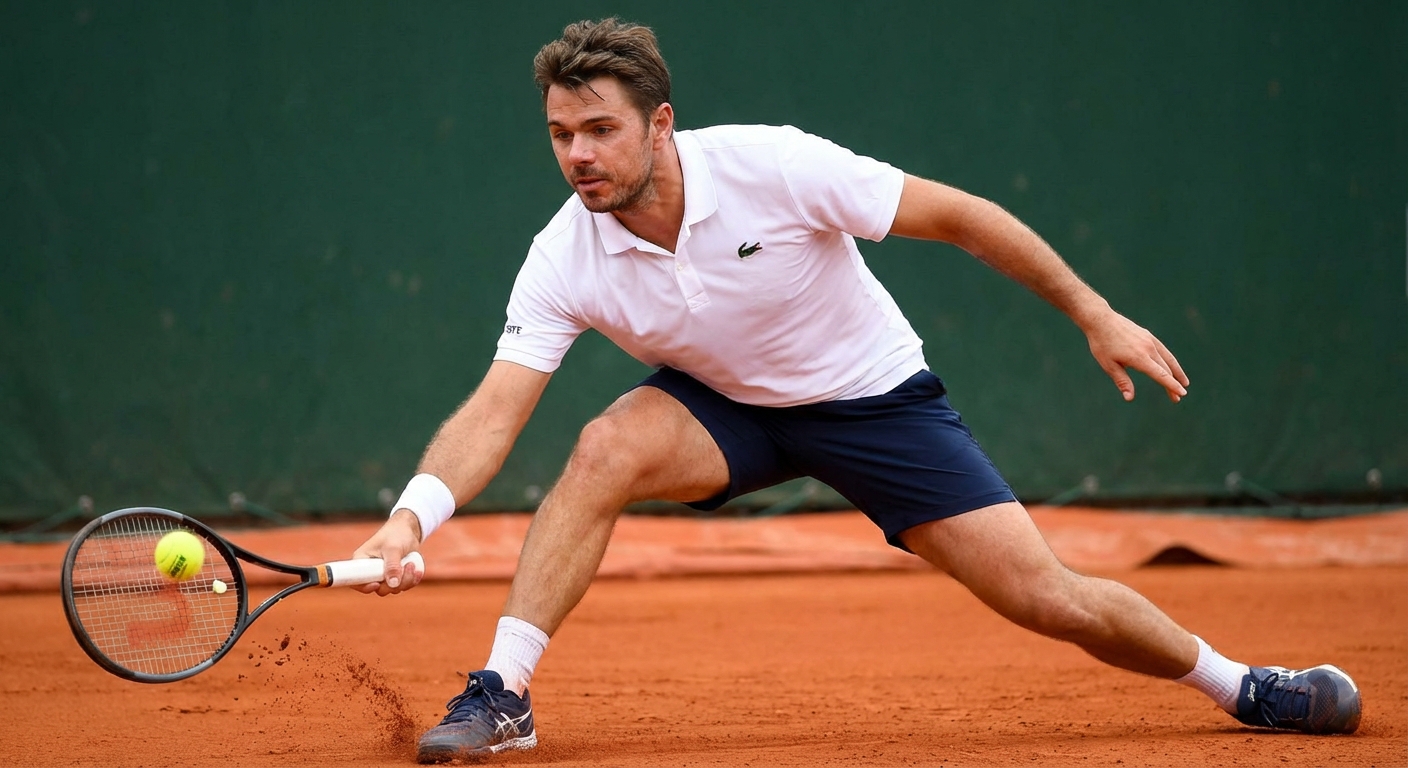
The slice backhand is experiencing a renaissance in modern tennis, valued for its ability to change pace, create approach opportunities, and neutralise powerful opponents. This guide breaks down the technique, tactical applications, and training progressions coaches need to develop this essential shot at every level.
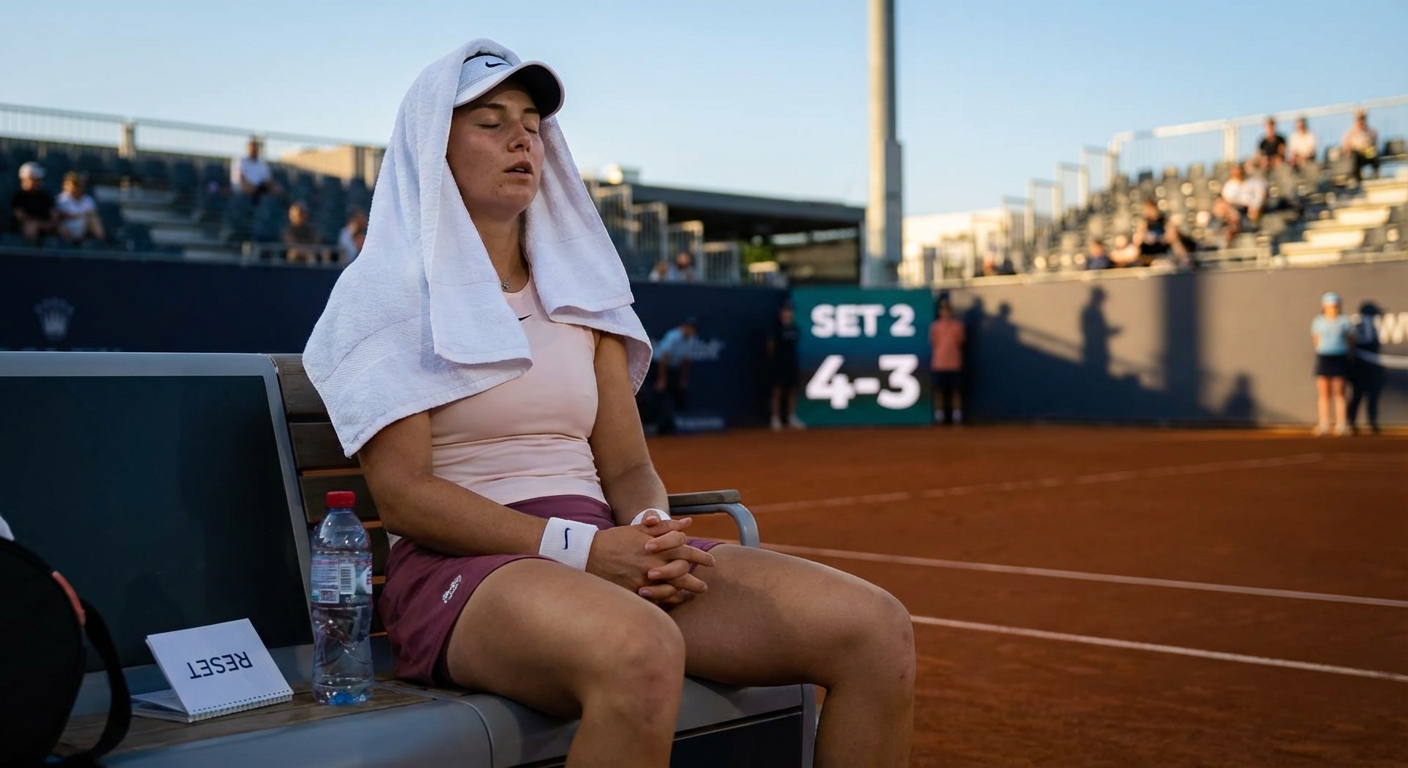
The 90 seconds of a changeover can determine the outcome of a tennis match. This article explores structured changeover routines that help players process the previous game, regulate emotions, and plan tactically for the next game - skills that separate consistent performers from talented underachievers.
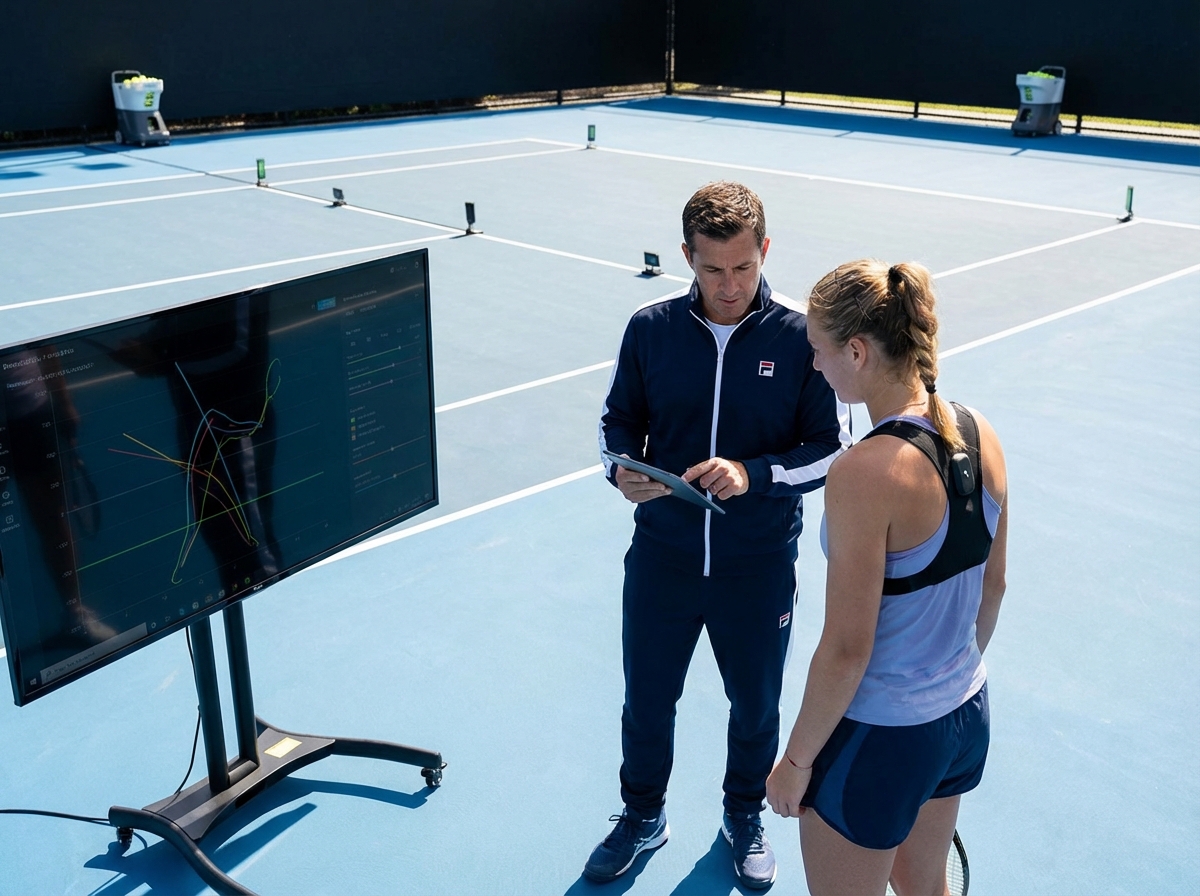
From sensor-equipped rackets to AI-powered coaching, technology is making tennis training more precise than ever. Here's what actually works.


Register for FREE and get coaching tips, top drills, session and more every week!