Level: 3.0 and above ( look to variation 3 and 4) Objective: Warm-up drill focusing on groundstrokes and point play with added challenges. SetupPlayers: 4, 5, or 6 players (depending on the situation) Court: Half-court or full-court (depending on the number of players) InstructionsPoint Play: Players face off against the opponent across from them and play out points. Rotation: The player who loses the point rotates to the âoutâ position on their own side. Winning Streak: The winning player can stay in for up to 3 points in a row; after that, they must rotate out. Score Tracking: Players keep track of their scores. Rotation (Wissels)4 Players: The coach participates with the players. The side with 3 players rotates while the coach and 1 player on the opposite side stay. 5 Players: Option A: One side has 3 players rotating, while the other side has 2 players staying put. Option B: If the coach joins, the side with 3 players can rotate while the side with 2 players stays. 6 Players: Both sides consist of 3 players, and rotations occur on both sides. VariationsVariation 1: Require players to stay with their feet inside the baseline during the entire drill. Variation 2: Allow winning players to remain in as long as they keep winning, rather than rotating out after 3 points. Variation 3: Introduce the requirement for players to use different types of shots (topspin, slice, volleys) during the points, encouraging skill variation. Variation 4: Implement a scoring system where players can lose points for unforced errors, increasing the pressure and strategic thinking.
This practice has no coaching points
This practice has no progressions
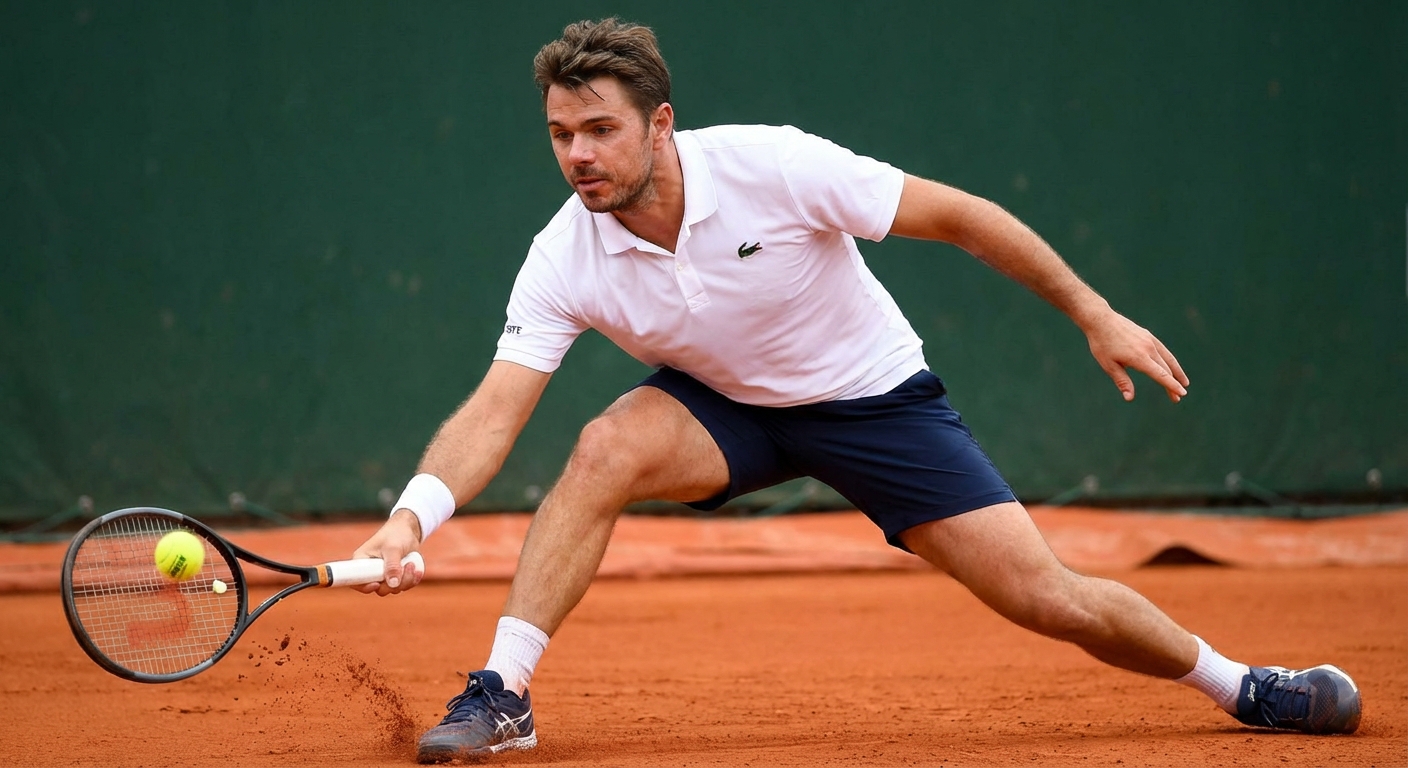
The slice backhand is experiencing a renaissance in modern tennis, valued for its ability to change pace, create approach opportunities, and neutralise powerful opponents. This guide breaks down the technique, tactical applications, and training progressions coaches need to develop this essential shot at every level.
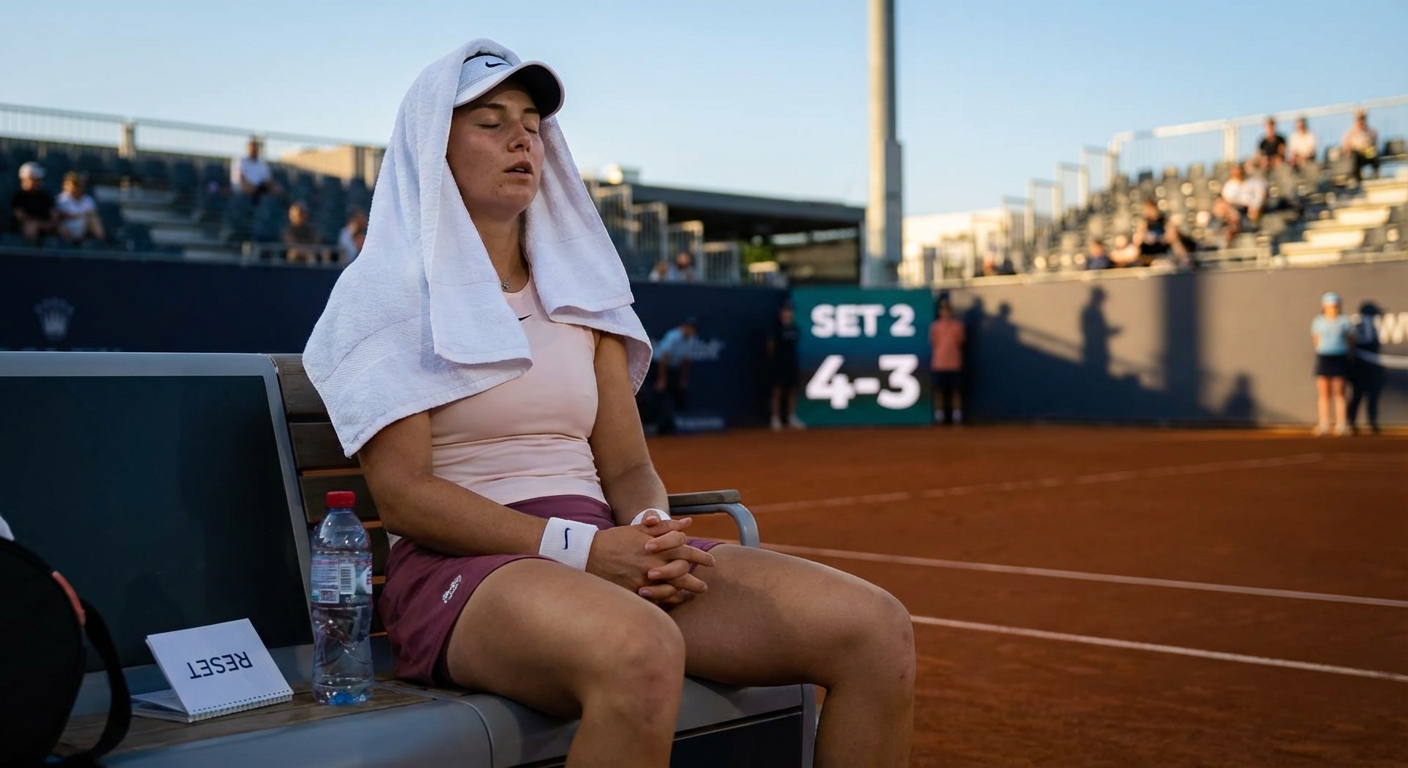
The 90 seconds of a changeover can determine the outcome of a tennis match. This article explores structured changeover routines that help players process the previous game, regulate emotions, and plan tactically for the next game - skills that separate consistent performers from talented underachievers.
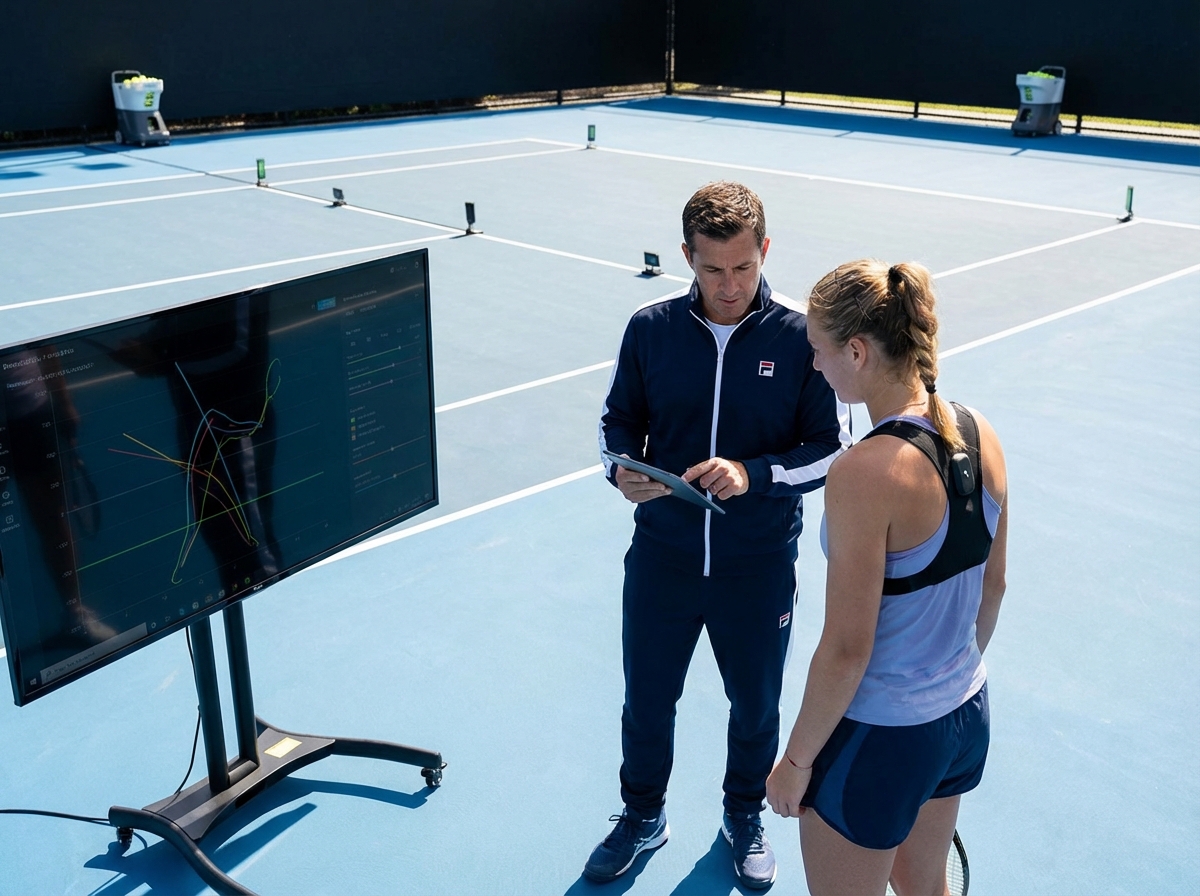
From sensor-equipped rackets to AI-powered coaching, technology is making tennis training more precise than ever. Here's what actually works.


Register for FREE and get coaching tips, top drills, session and more every week!