1 or 2 games running side-by-side. Pitch marked into quarters or halves. Progressions/rules (only 1 at a time): normal game (while coach sets up markings) 1 team must keep at least 1 player in each end 1 team must keep at least 1 player on each side 1 team must keep at least 1 player in each quarter The positional restraints can be applied to 1 team only. Players + coach can then discuss how that team played differently to the other team as a result. Questions: How does having a player in each quarter/half change the way you play? Is it helpful to keep one player forward when you are defending? Why? (as an outlet) Where might that player position themselves? (in space, not near to or hiding behind defenders) Why keep 1-2 players back when you are attacking? (to defend counterattacks) What is transferring and why is it useful?
Focus is on positional awareness. Young players often follow the ball and lose track of their team's shape, which enables the opposition to outmanoeuvre them.
This practice has no coaching points
This practice has no progressions

in more ways than one
 sportplan_hockey



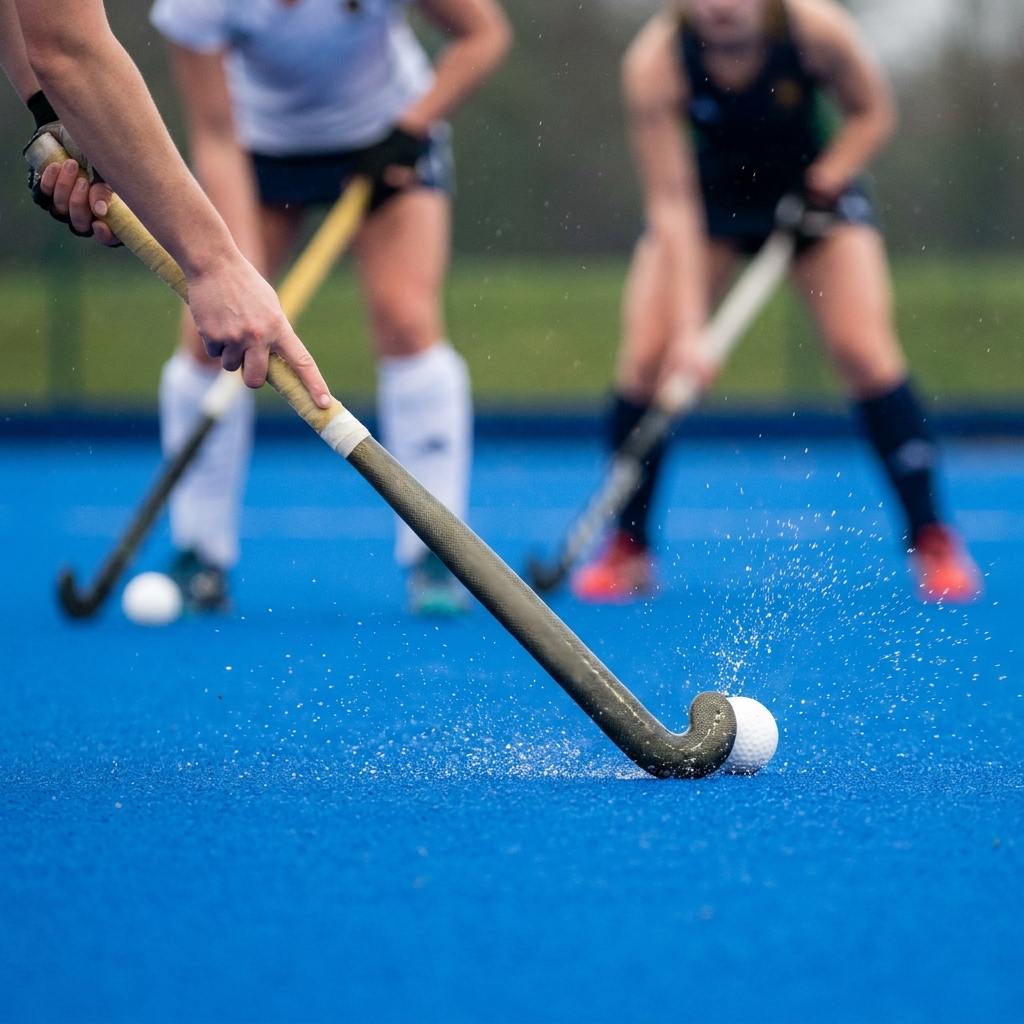
A few weeks into the league season, poor first touches are costing teams the ball. Coach body shape, scanning and receiving on the move to keep possession.
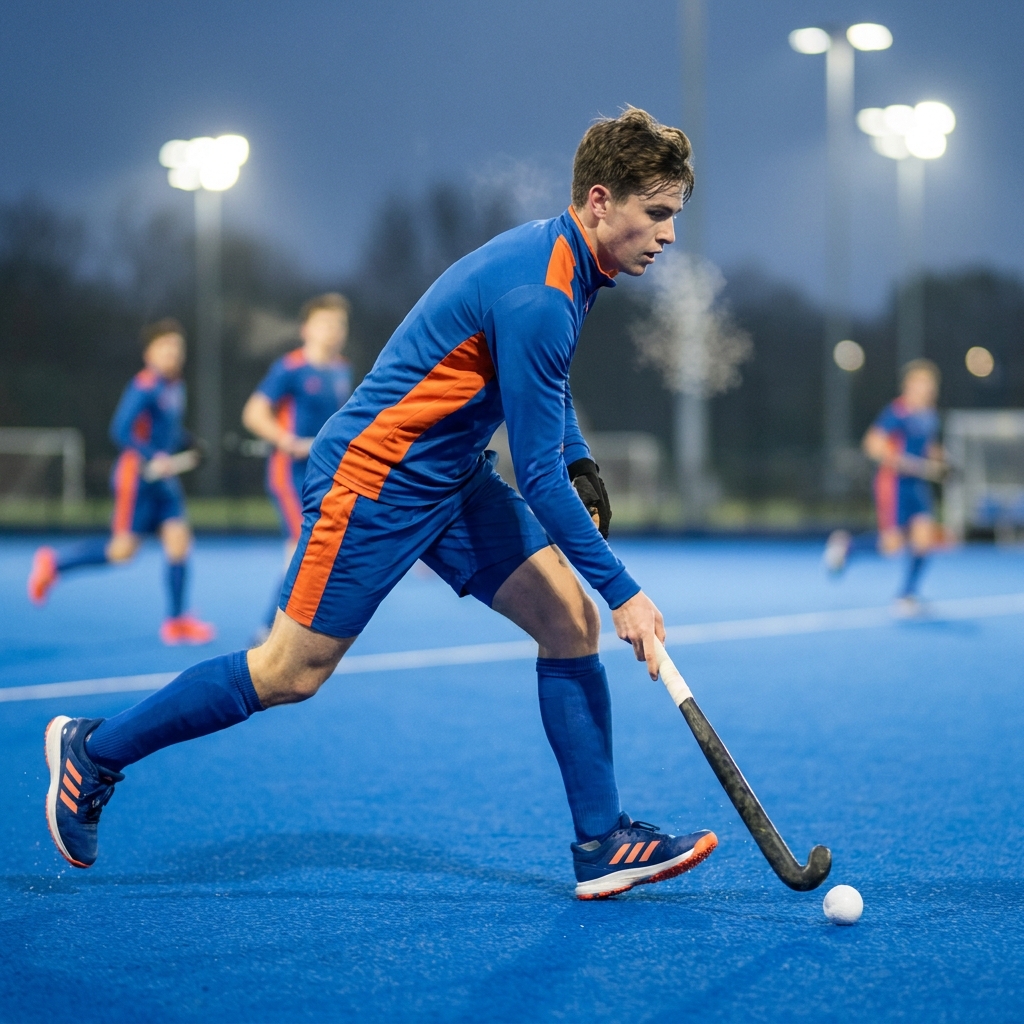
Pre-season fitness fades fast once the league starts. Build conditioning into ball work and use rolling subs well to keep your squad sharp all season.
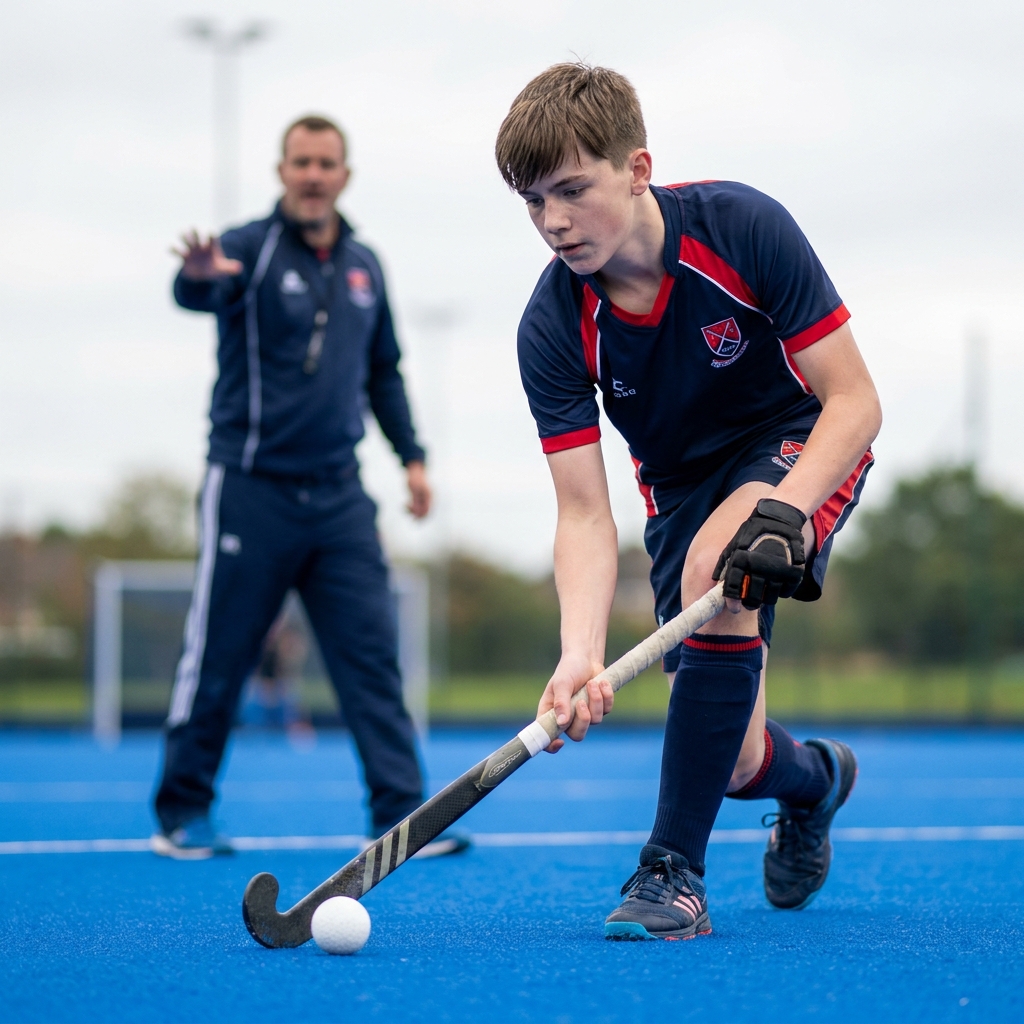
The first weeks of the season decide whether a junior or new player sticks with adult hockey. Here is how to keep them safe, give them a clear job and build their confidence from the very first bully.