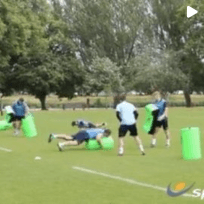
Aim: Develop playersâ ability to set the defensive line quickly, and generate linespeed to place pressure on the attack Description: 2 groups of 6-8 defenders v 5-7 attackers (with pads) First group of defenders start by passing the ball to each other On the coaches call, they drop the ball (as they are defenders) and set up a defensive line (in relation to where the attackers are) The group should have a scrum-half to help organise the defensive line One the second call, the defenders go forward as a line and tackle the attackers. They then rest (round a cone) and repeat, before swapping with group 2. Coach to stand behind the defensive line with two coloured cones ( Red and Yellow) When coach holds up a colour the defensive attacking line adjust to the corresponding colour cones Defense must react to the change
This practice has no coaching points
This practice has no progressions

in more ways than one
 sportplan_rugby


Tacklers are aiming lower, so carriers who dip late put heads at risk. Teach footwork, a strong early body height and leg drive to win the collision safely.
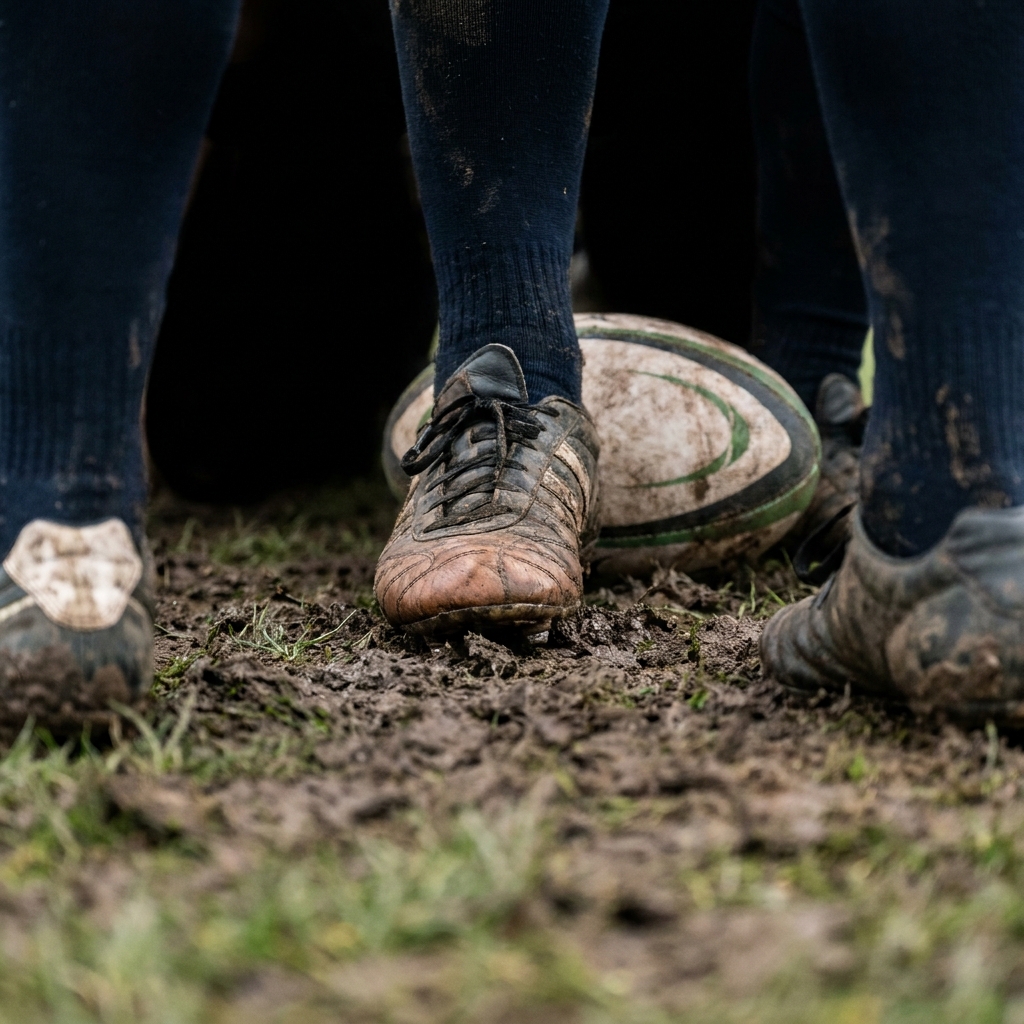
The hooker's brake foot moved from trial into full law in July 2026. Here is how to coach it so your front row stays stable, legal and safe.

Your players can pass beautifully in a warm-up grid. Then a defender closes, their lungs are burning, and the ball goes to ground. Here is how to build catch-pass skills that hold up when it matters.