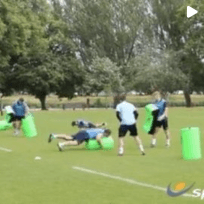
AIM OF THE DRILL IS TO GIVE PLAYERS A ROLE AT THE BREAKDOWN ATTACKER (BALL CARRIER) BULLET (1ST PLAYER AT BREAKDOWN CLEARS ANY THREAT) CLEARER (HELPS BULLET TO CLEAR OR PROTECTS BALL) DECISION MAKER (PASS OR PICK AND GO) IN THE A-B DRILL BOTH PLAYERS WILL FACE THE PAD IN THE MIDDLE OF AREA. ATTACKER WILL USE EVASIVE SKILLS TO BEAT PAD. ON NEXT PAD THEY WILL TAKE CONTACT, DRIVE, LAND ON BALL AND PRESENT BALL TO THE "BULLET" "BULLET WILL THEN PICK UP BALL TURN AROUND AND BECOME THE ATTACKER IN THE OPPOSITE DIRECTION. ONCE THEY HAVE EVADED MIDDLE PAD ANOTHER PLAYER FROM THE LINE WILL JOIN TO BECOME THE NEW BULLET.
TO PROGRESS THE DRILL WE CAN ADD C AND D
This practice has no coaching points
This practice has no progressions
There are currently no more drills being shared in this category
in more ways than one
 sportplan_rugby
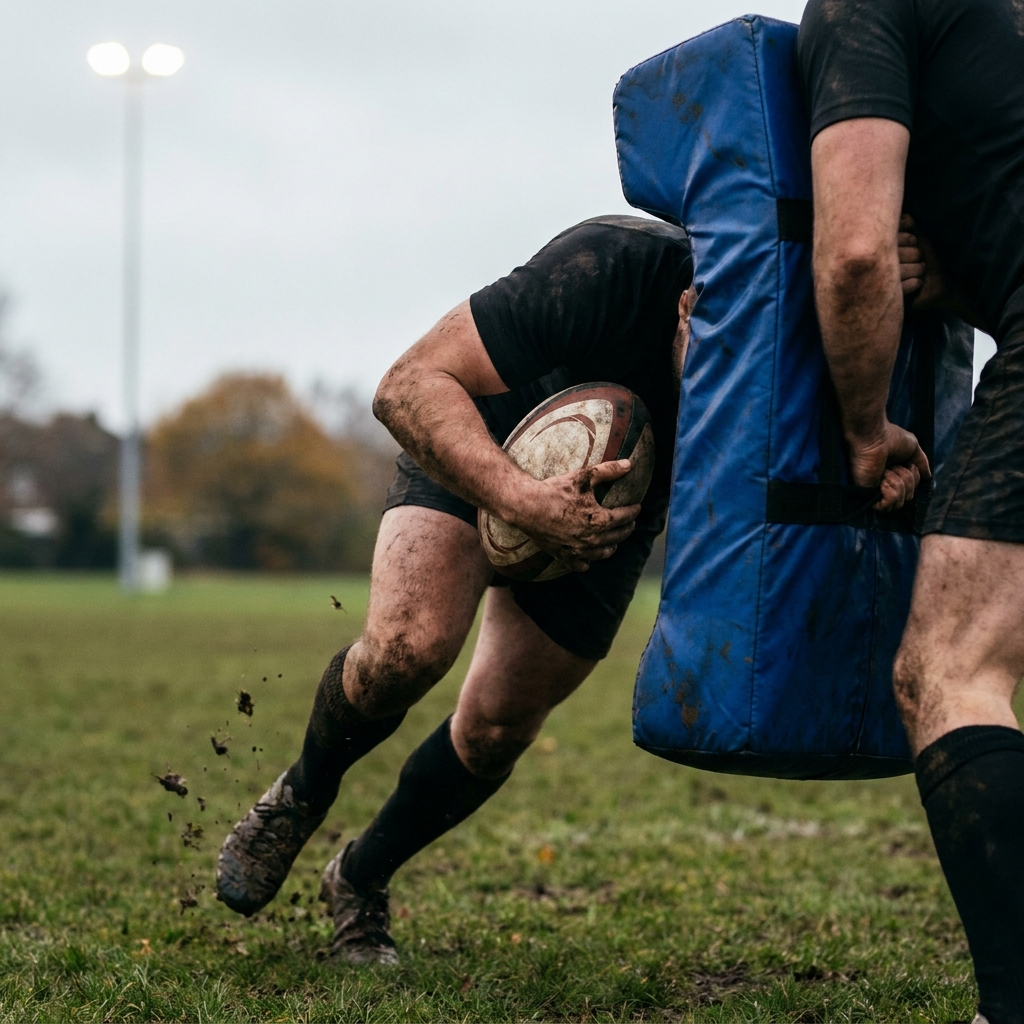
Tacklers are aiming lower, so carriers who dip late put heads at risk. Teach footwork, a strong early body height and leg drive to win the collision safely.
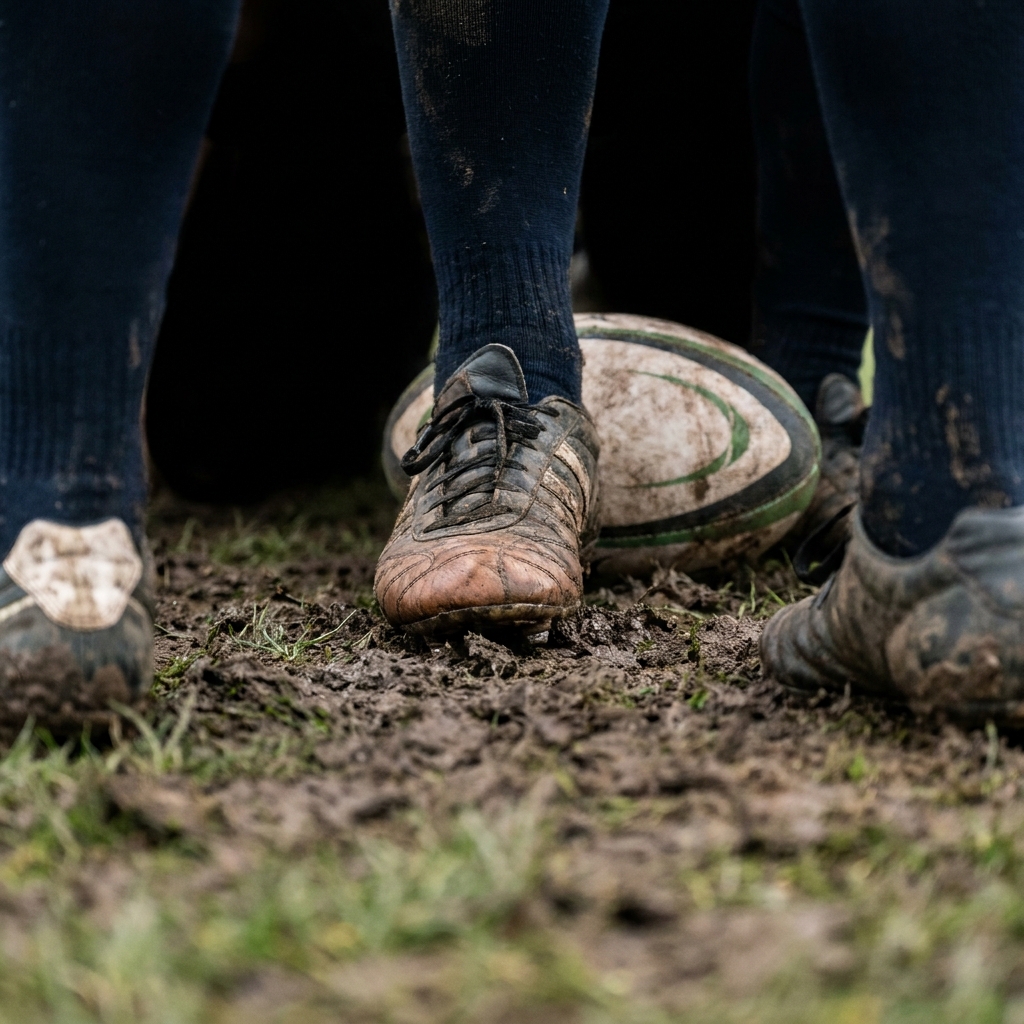
The hooker's brake foot moved from trial into full law in July 2026. Here is how to coach it so your front row stays stable, legal and safe.
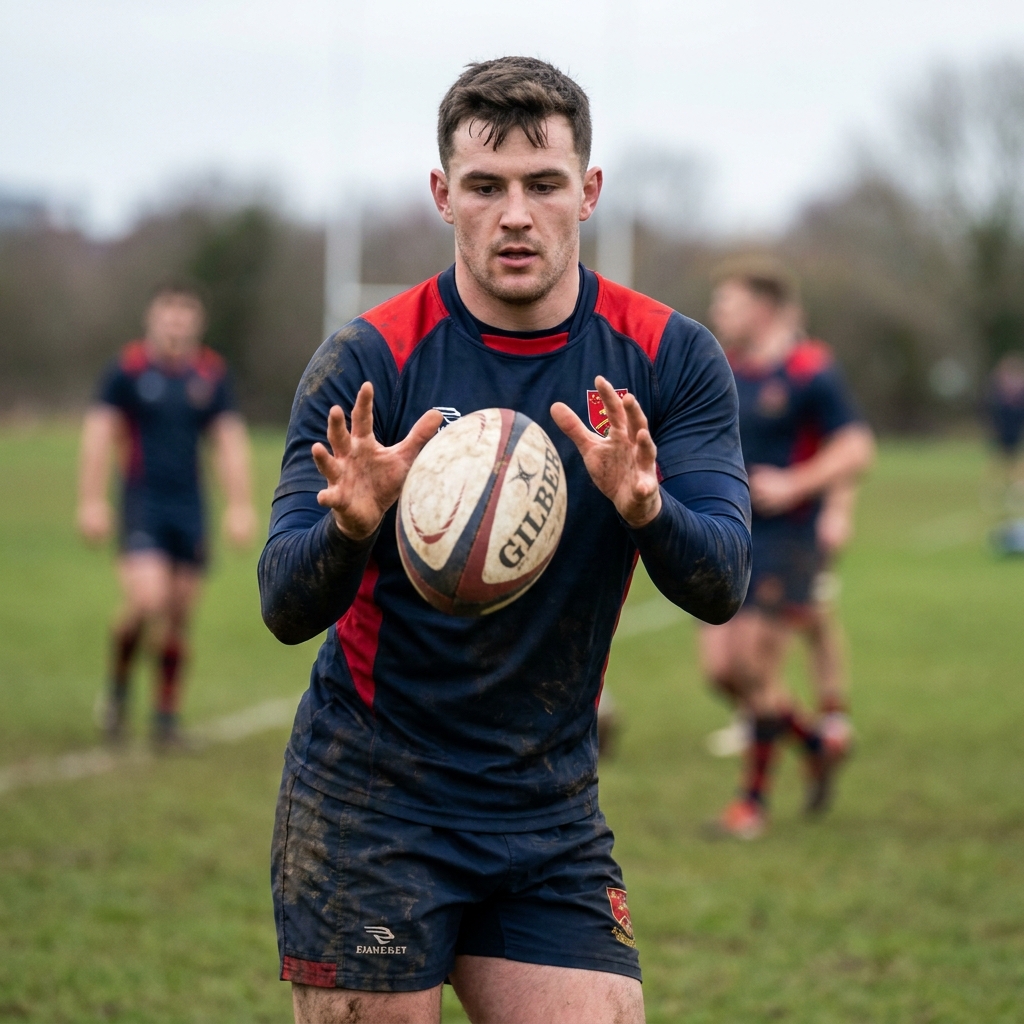
Your players can pass beautifully in a warm-up grid. Then a defender closes, their lungs are burning, and the ball goes to ground. Here is how to build catch-pass skills that hold up when it matters.