This warm up will progressively have more animals with increasing difficulty and intensity. The players must simply follow the actions of the animals that are called out by the coach, who must ensure they are doing each action correctly as follows; Frog jump: use hands to push off the floor, try and go high and far Gorrila walk: squat down and walk with hands touching the floor Donkey kick: kick back feet in the air (make sure and stay in your own space) Kangaroo: long, big jumpsPuppy walk: on hands and feet, keep head up to see where you are goingCat walk: like puppy, but try and arch backBear walk: heavy and slow on hands and feetSeal walk: bellies and legs on the floor, pull body with hands (flippers)Elephant walk: stomp feet and use arms to make a trunk, slow and heavyInchworm: on hands and feet â walk feet to hands, then walk hands out, repeatCrab walk: belly up using hands and feet
This practice has no coaching points
This practice has no progressions

in more ways than one
 sportplan_cricket


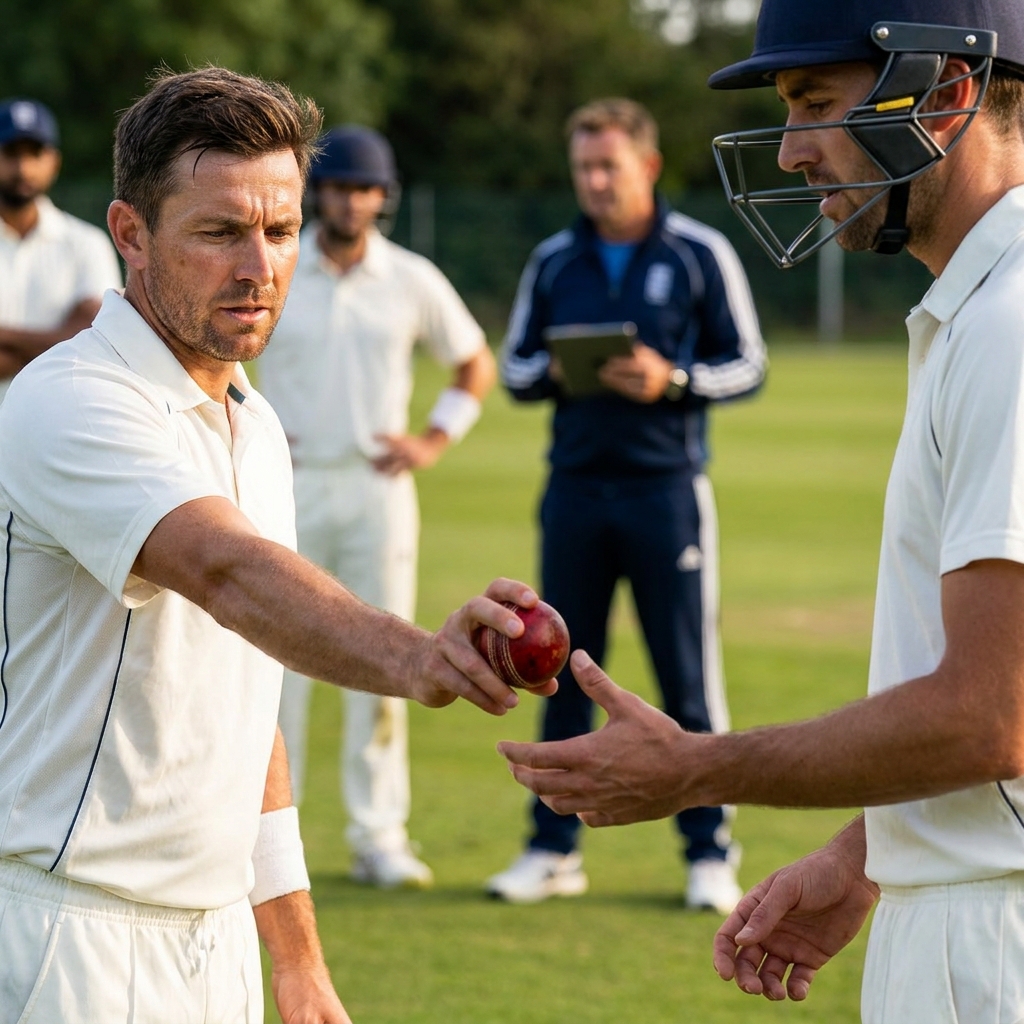
A bowling change can dismantle a partnership, halt a run surge, or hand the match back to the batting side. This article explores how modern captains use match phases, matchup data, and rhythm signals to time their changes, with a practical framework coaches can use to develop tactical thinking in young captains at club and age-group level.
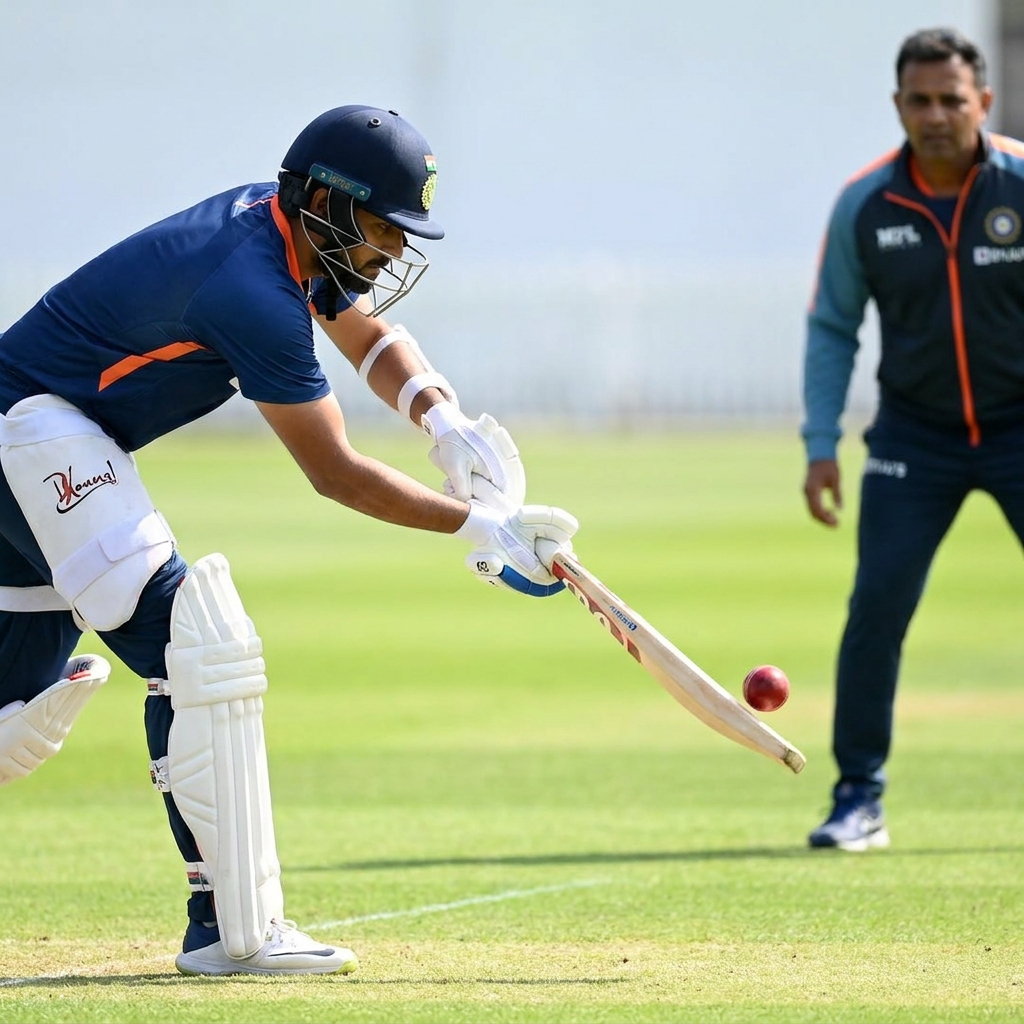
T20 data shows that teams bowling 40 or more dot balls win more than 65 per cent of matches. Strike rotation is now the most undervalued skill in batting. This article breaks down why singles matter more than sixes, the soft-hands and crease-depth techniques behind elite rotators, and a coaching framework to train relentless ones and twos under pressure.
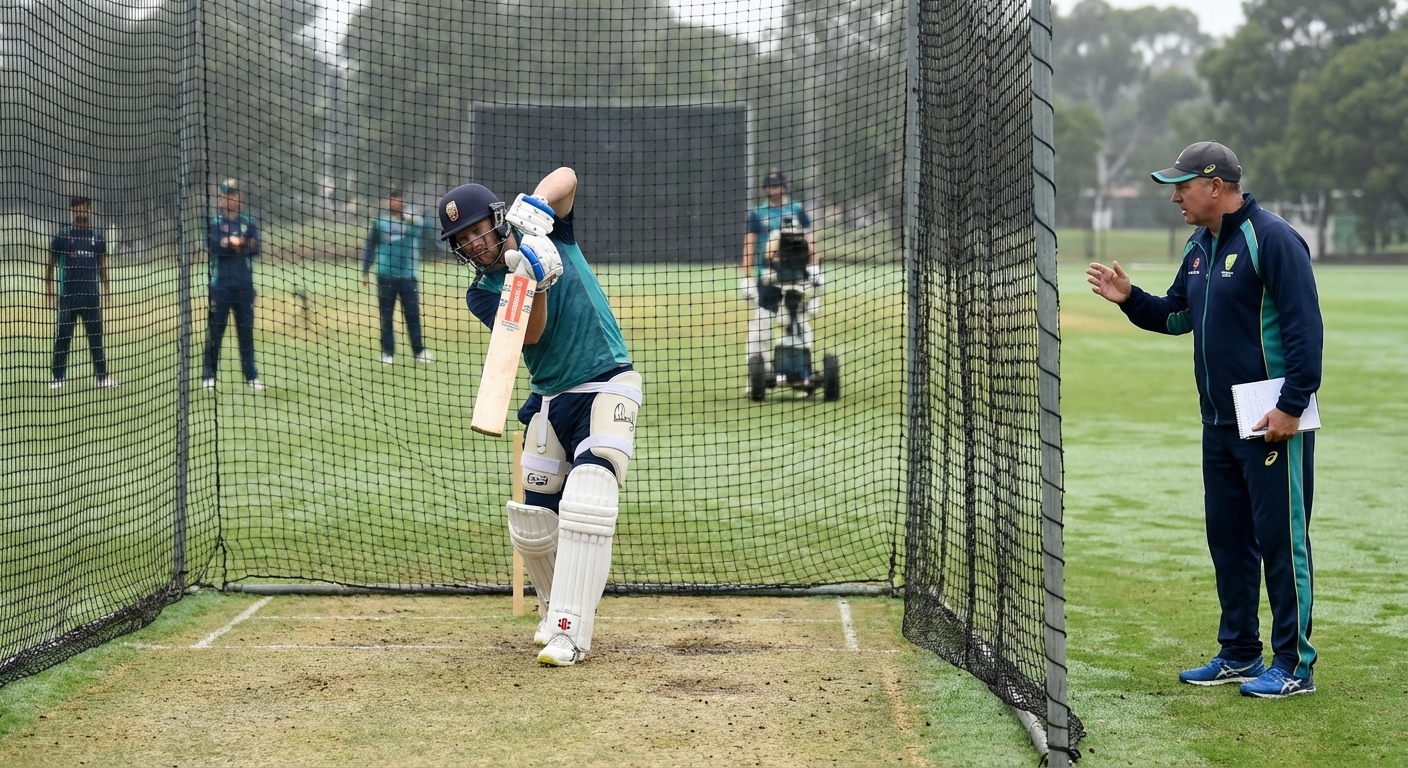
Pre-season is the best time to rebuild and refine batting technique without the pressure of match results. This article covers the fundamental batting positions that underpin consistent run-scoring, provides a progressive session framework from shadow batting to live bowling, and highlights the common pre-season mistakes that coaches should avoid.