The difference between a good defensive unit and a great one isn't athleticism or height. It's recognition. The best defenders in netball know when to press and when to hold. They read the game two passes ahead, and they strike at precisely the right moment.
Random, individual pressing creates gaps. Coordinated pressing based on triggers creates turnovers. The question is: do your players know what those triggers are?
The Problem with Reactive Defence
Watch any club netball game and you'll see the same pattern. Defenders chase the ball after it's been released. They arrive a fraction too late. The attacker has already caught, turned, and passed. Your defender is left trailing, out of position, and unable to recover.
This reactive approach is exhausting and ineffective. Players work hard but achieve little. The opposition moves the ball freely while your team scrambles to catch up.
The 4 Pressing Triggers Every Defender Must Recognise
1. The Backward Pass
When an attacker passes backwards, they're admitting they can't go forward. This is your green light. The receiver typically has limited options and their body shape is often closed to the court. Train your defenders to attack this moment with intensity.
2. The High, Floaty Ball
A lofted pass takes time to arrive. That time is your opportunity. While the ball is in the air, your defender should be closing the distance. The receiver will be focused on the ball, not on your approaching player.
3. Poor Body Position
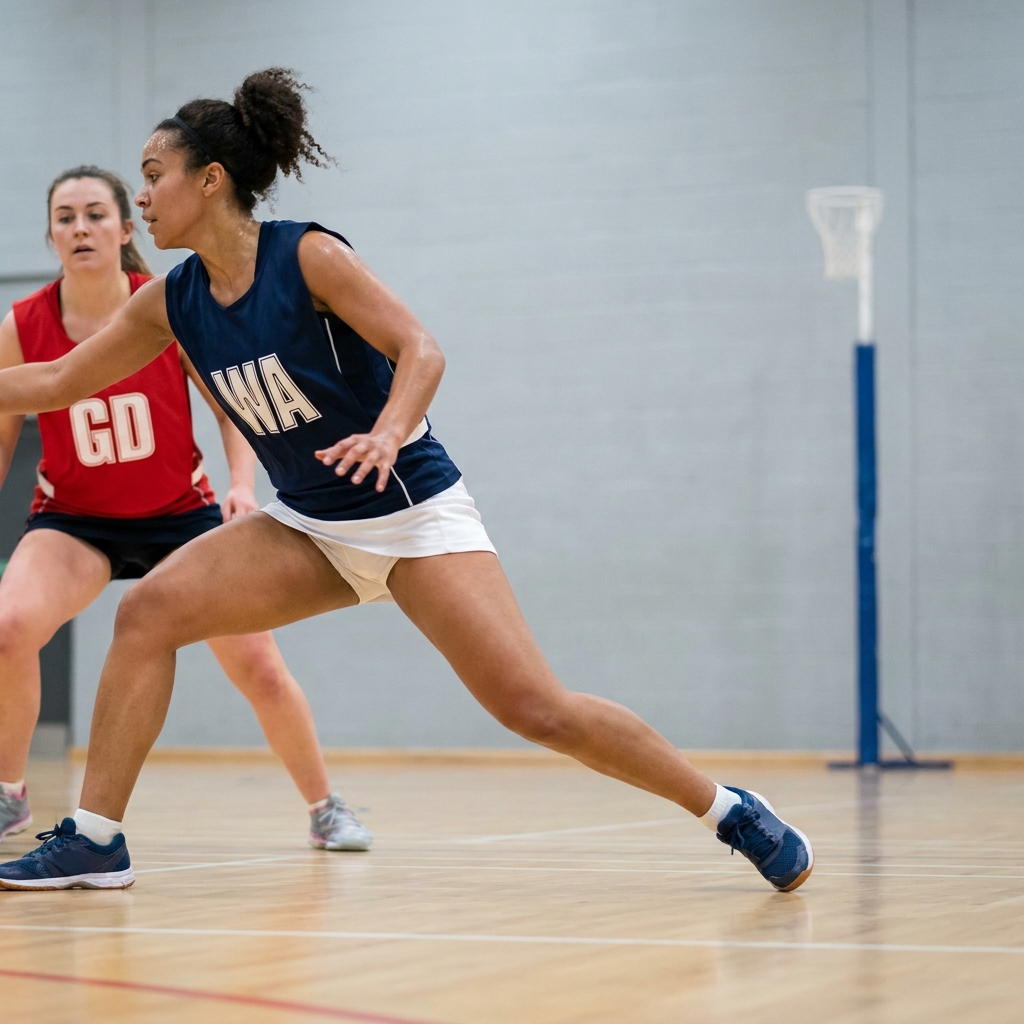
When an attacker receives with their back to goal or their weight on the wrong foot, they need extra time to adjust. This moment of imbalance is when your defender should pounce. One step closer can be the difference between a comfortable pass and a turnover.
4. The Predictable Pattern
Teams often fall into rhythms. The same passing sequence repeated two or three times becomes predictable. Teach your defenders to recognise patterns and anticipate the next pass. Being early to the space, rather than reacting to the ball, transforms defensive outcomes.
Training Trigger Recognition
Recognition can't be taught through explanation alone. It requires repetition in realistic scenarios. Here's how to develop it:
Stage 1: Freeze Frame
During small-sided games, call "freeze" at random moments. Ask your defenders: "What's the trigger here? When should you press?" This builds the habit of reading the game constantly.
Stage 2: Trigger Drills
Set up passing sequences where defenders can only press on specific triggers. If they press at the wrong moment, the attackers score a point. If they press correctly and win the ball, they score. This creates accountability and sharpens decision-making.
Stage 3: Game Integration
Play full-court games where turnovers won from recognised triggers count double. This rewards smart defending over random chasing.
The Unit Approach
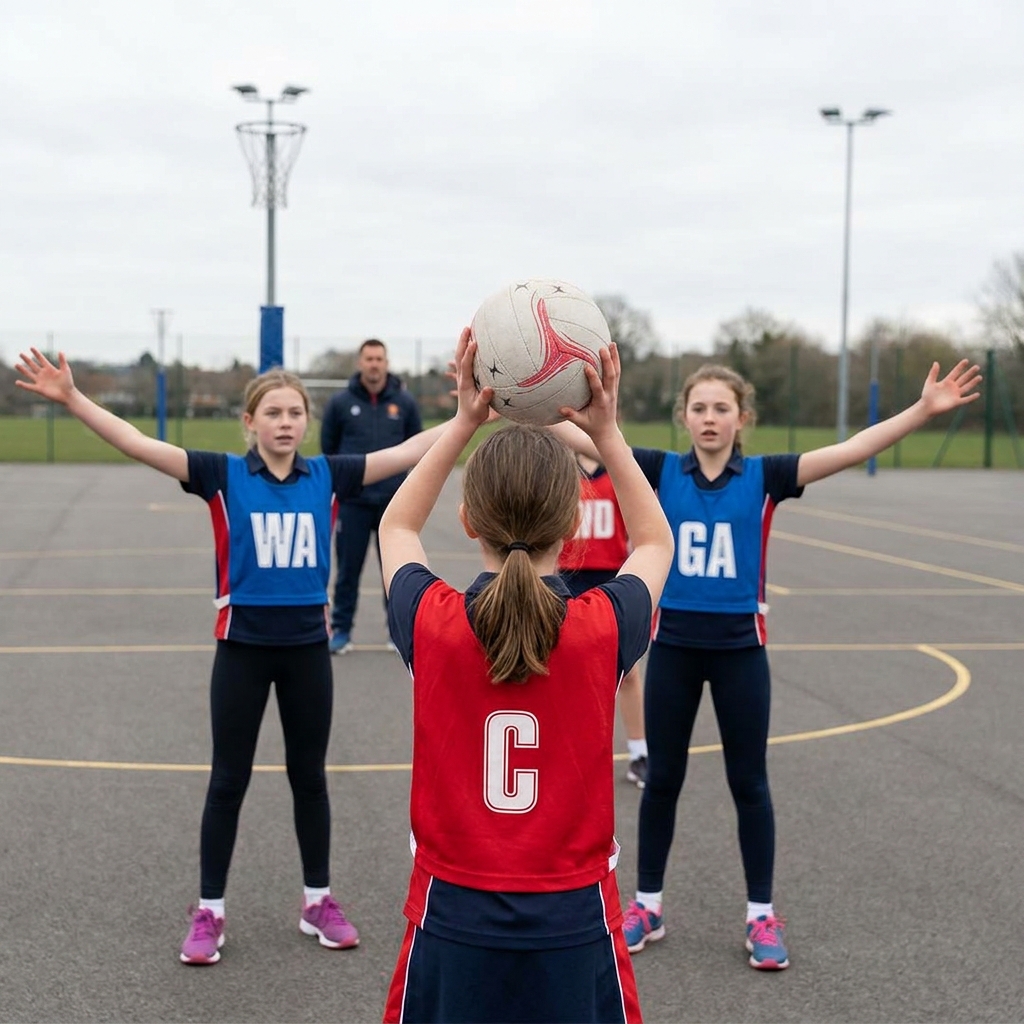
Individual pressing is often worse than no pressing at all. One defender flying in creates space for the attackers to exploit. Effective pressing requires coordinated movement from multiple defenders.
The ball-side defender applies pressure. The help-side defender anticipates the release and positions to intercept. Communication is constant: "I've got ball!" "Holding the space!" "She's going left!"
Without communication, you have individuals. With it, you have a defensive unit.
Key Coaching Points
- Press on triggers, not on every pass
- Move as a unit, not as individuals
- Communicate constantly - silence kills defence
- Recover quickly when the press fails
- Praise smart defending as highly as interceptions
The Mental Shift
Defending is often seen as the boring part of netball. Change this perception. Reframe turnovers as attacking opportunities. Celebrate defensive pressure as the foundation of everything good that follows.
The team that defends together, wins together. And it starts with teaching your players exactly when to press.
Where to Go Next
Sharpen your team's defensive skills with these resources:
- Defending Drills - Pressure techniques and positioning
- Interception Drills - Reading the play and timing
- Session Plans - Including defensive body positioning
 sportplan_netball