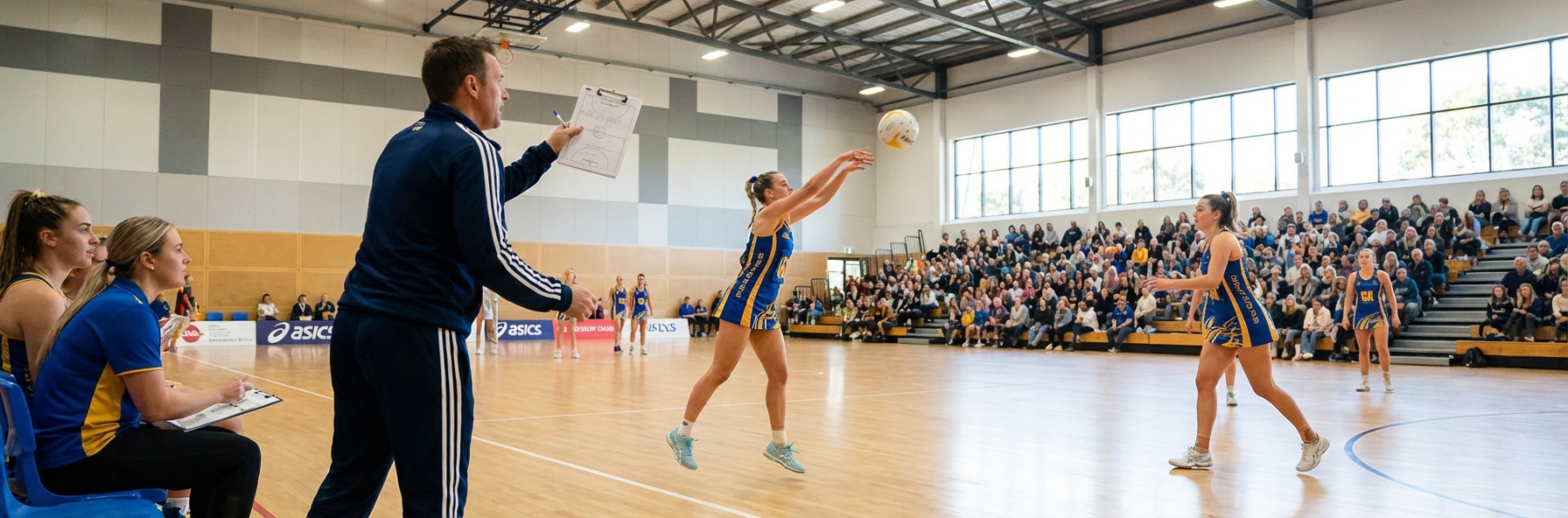
A shooter can have perfect technique, excellent movement, and ideal positioning - and still miss because the ball arrived in the wrong place at the wrong time. The quality of the feed determines the quality of the shot.
Feeding is an art. It requires technical skill, spatial awareness, and an almost telepathic connection with your shooters. This is how to develop it.
Understanding the Feeding Hierarchy
Not all feeds are created equal. There's a clear hierarchy of delivery quality:
Perfect: The ball arrives in the shooter's hands while they're balanced and facing the goal. They can shoot immediately without adjustment.
Good: The ball arrives accurately but the shooter needs a small adjustment before shooting. A step to balance or a turn to face the goal.
Adequate: The ball arrives, but the shooter is stretched or off-balance. The shot is possible but compromised.
Poor: The ball forces the shooter to reach, jump, or move away from goal. The shot becomes very difficult or impossible.
Your feeders should be aiming for "perfect" on every delivery. Anything less is selling your shooters short.
The Technical Elements
Ball Placement
Where should the ball go? It depends on the shooter's position and movement. A shooter driving toward goal needs the ball ahead of them. A shooter holding position needs it at chest height. A shooter turning needs it on their outside shoulder.
The best feeders read the movement and adjust their delivery in real-time. This requires watching the shooter, not the ball.
Ball Speed
A soft, floaty feed gives the defence time to recover. A bullet pass is difficult to control. The ideal is a firm, flat delivery that arrives quickly but controllably.
Speed should match distance. Short feeds can be softer. Longer feeds need more pace to beat the defender's reaction.
Timing
The feed should arrive at the peak of the shooter's movement. Too early and they're not in position. Too late and the defender has closed the space. The window is often less than half a second.
Building the Connection
Feeding isn't just about the feeder. It's about the relationship between feeder and shooter. This connection develops through hours of practice together.
Encourage your WA/GA and shooters to train together outside team sessions. The more they work together, the more they learn each other's patterns and preferences.
Communication is essential. Shooters should tell their feeders what they want: "I like it higher." "Give me more pace." "I'm open on my left." This feedback accelerates the learning process.
Feeding Under Pressure
Training feeds in open situations is easy. The real test is feeding when a defender is tight on the shooter and another is pressing the feeder.
Progressive pressure training works here. Start with open feeds, then add passive defenders, then active defenders. The feeder learns to read tight situations and find the small windows that exist.
Sometimes the best feed is no feed. If the shooter is double-marked and the lane is blocked, forcing the ball in leads to turnovers. Teach your feeders to reset and find a better opportunity.
Types of Feed
The Chest Pass: Reliable and accurate for medium distances. The default option.
The Bounce Pass: Useful when the defender has hands up. The ball arrives lower and is harder to intercept.
The Lob: Over the top of a tight defender. Requires good timing and touch.
The Flat Ball: Fast and flat for short distances. The defender has no time to react.
Your feeders should be comfortable with all four and able to select the right one for each situation.
Common Feeding Mistakes
- Feeding to where the shooter was, not where they're going
- Telegraphing the pass with eyes and body position
- Forcing feeds into traffic instead of resetting
- Using the same type of feed regardless of situation
- Not communicating with shooters about preferences
The Feeder's Mindset
Great feeders take pride in their role. An assist is as valuable as a goal. Every perfect delivery that leads to a score is a shared success.
Develop this culture in your team. Celebrate assists. Recognise feeders. Build an understanding that getting the ball to the shooter in the right place is a skill that wins games.
Where to Go Next
Strengthen your team's attacking connections with these resources:
- Passing Drills - Master all types of delivery
- Shooting Drills - Feeder-shooter combination work
- Movement Drills - Creating space in the circle
 sportplan_netball