The week of Halloween is one of the easiest sessions of the year to get right, and one of the easiest to get wrong. Get it right and you keep every junior engaged, working hard and smiling without them noticing how much repetition is going into their passing, footwork and decision-making. Get it wrong and you end up with forty-five minutes of fancy dress and very little coaching.
The trick is simple. Do not invent new games for the sake of a theme. Take drills you already trust, give them a spooky name, and run your normal session underneath the costume. Below is a complete High 5 and junior session built entirely on verified Sportplan drills, with the coaching purpose behind every "spooky" rename spelled out.
Why Themed Sessions Still Teach Real Skills
Junior players, particularly in the High 5 and early U11 to U13 range, learn fastest in games that feel like play rather than drilling. A themed session does not lower the technical bar, it raises attention and effort, which means more quality repetitions happen in the same amount of time. A child who is "escaping a zombie" will sprint and change direction harder than one who is told to "practise agility", even though the footwork underneath is identical.
The costume also gives you permission to keep things simple. Nobody expects a tactical masterclass on the week of Halloween, so it is a good opportunity to run a session that is almost entirely games-based, with coaching points delivered in short, sharp bursts between rounds rather than long team talks.
Build the Session Step by Step
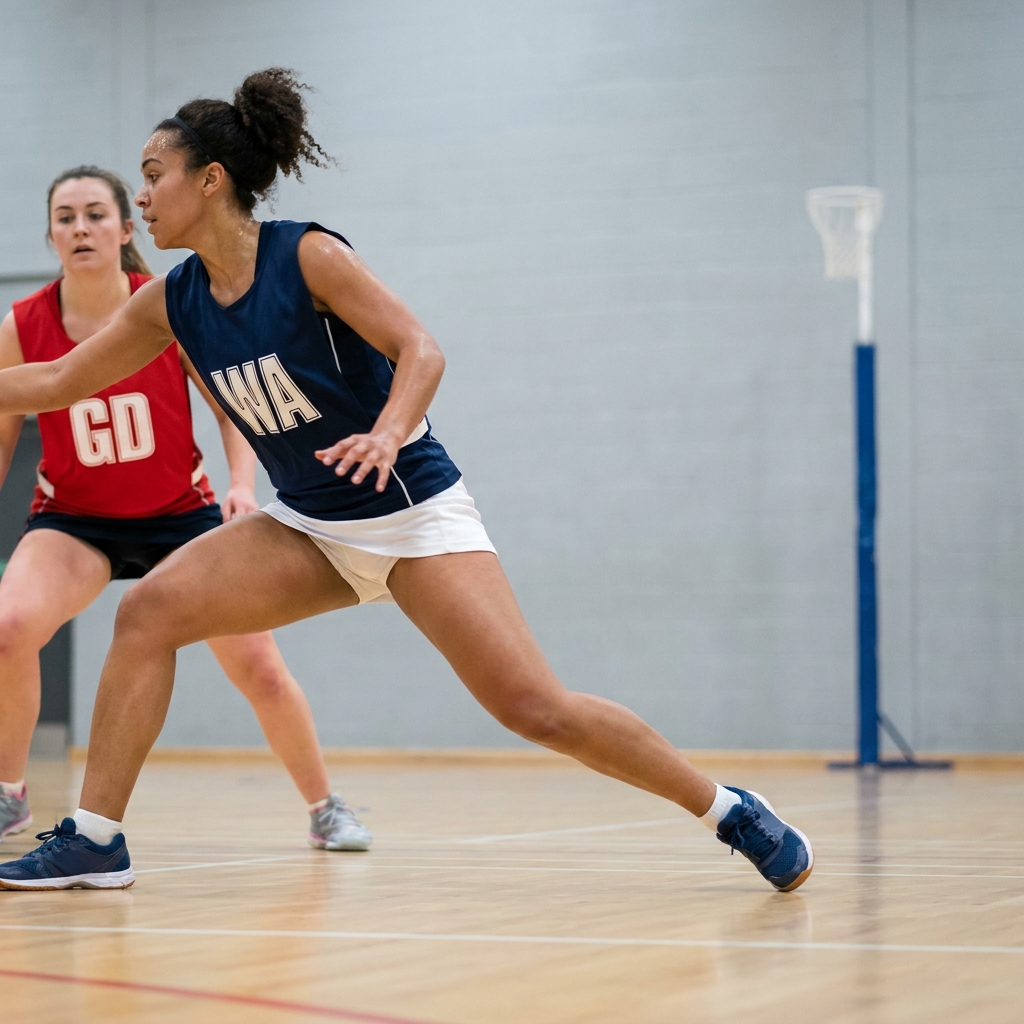
Step One: Zombie Tag warm-up. Use the Bulldog warm-up, renamed Zombie Tag. One or two players start as "zombies" in the middle of the area; everyone else tries to run from one end to the other without being caught. Anyone tagged joins the zombies for the next round. This raises the heart rate fast and trains the same quick feet and change of direction a player needs to get free from a marker on court.
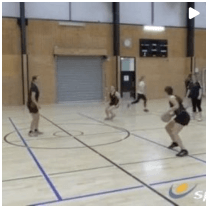
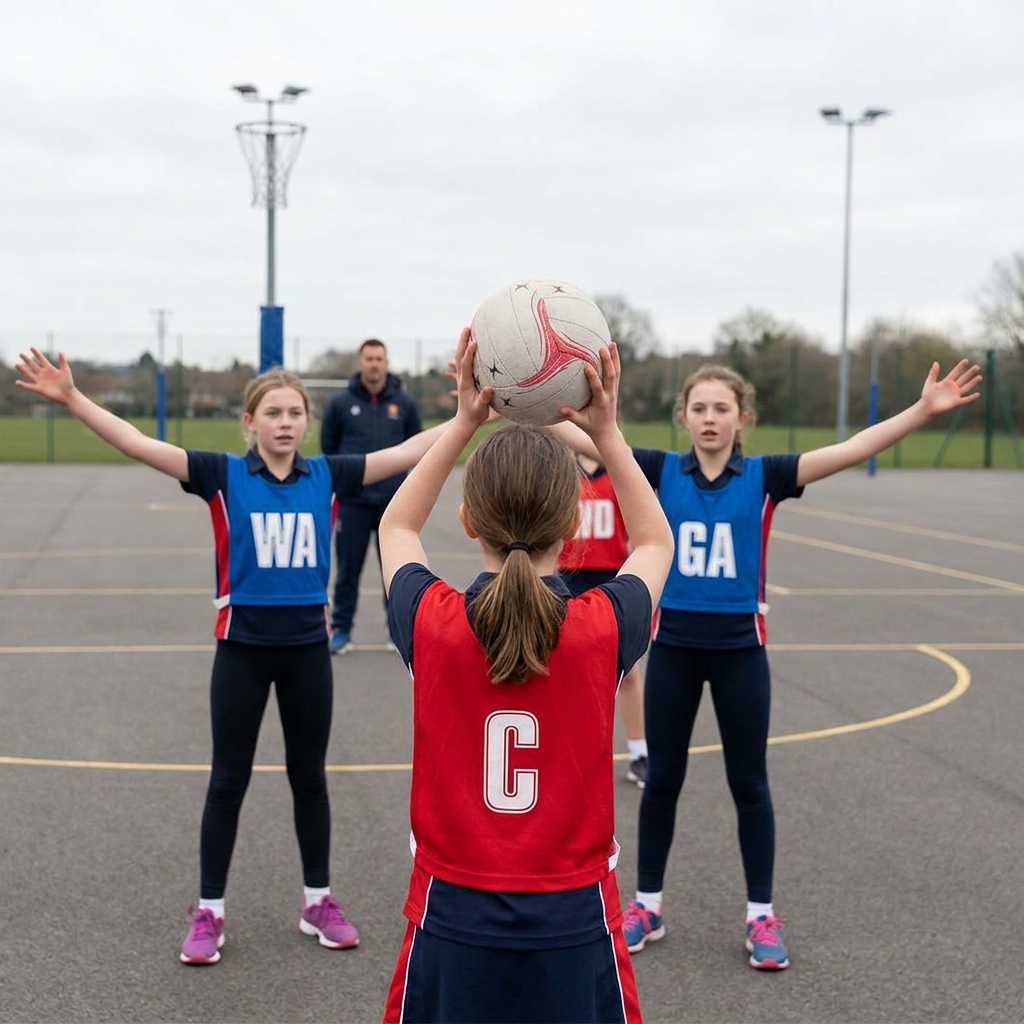
Step Two: Haunted Corridor passing. Use the Chest Pass drill, run as pairs working down a "haunted corridor" of cone gates. Set the technical focus clearly: fingers spread behind the ball, step towards the target, push through and follow the pass with the hands. Add a light time pressure, for example "get the ball through the gate before the ghost closes it", to keep intensity up without compromising technique.
Step Three: Ghosts and Ghouls decision-making. Use the Cops and Robbers small game, renamed Ghosts and Ghouls for the week. This is where the session shifts from technique to decisions: players have to read the moment to break for space, when to hold their position and when to commit to a 1v1 contest, rather than following a fixed pattern.
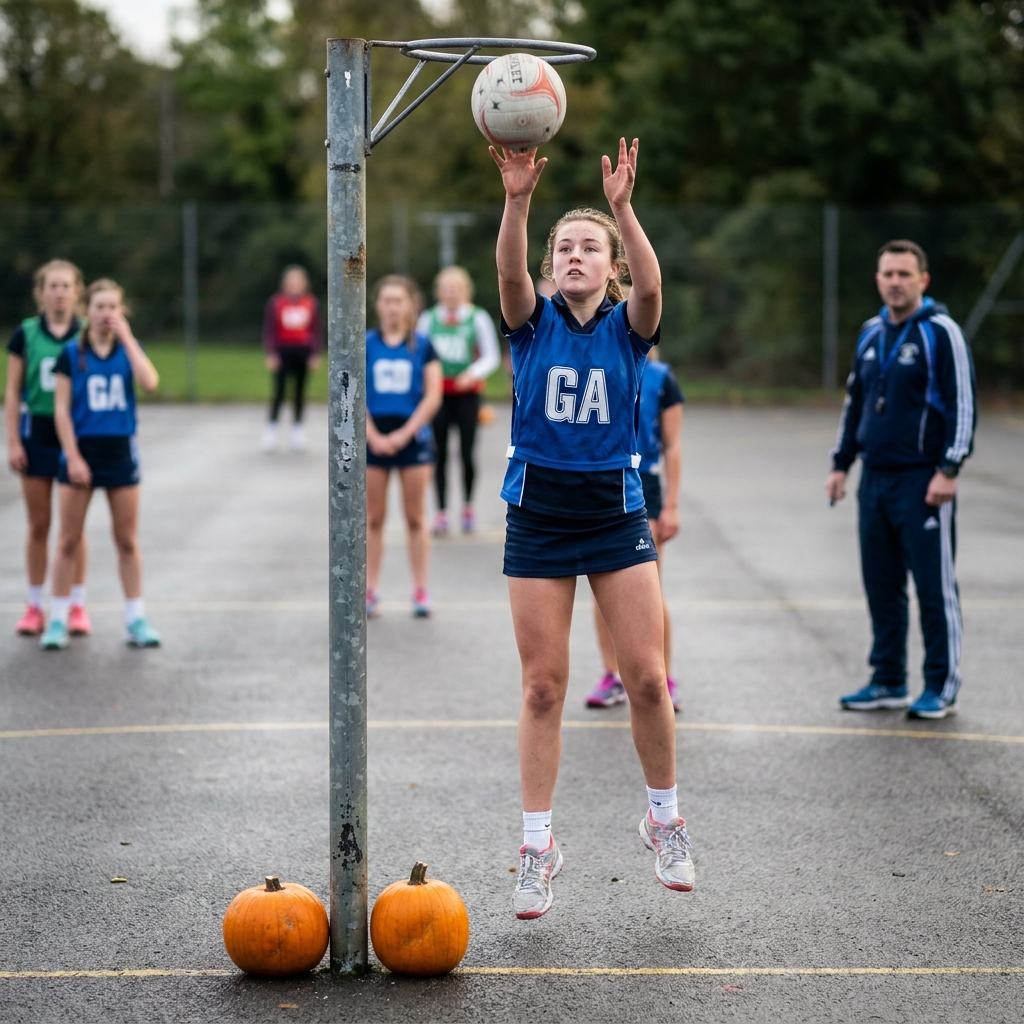
Step Four: Pumpkin Patch shooting game. Finish with the Circle Shots game, renamed Pumpkin Patch. Shooters work in and around the circle for a set number of attempts, with a point awarded for a clean goal and a bonus point for winning their own rebound. Running it as a competition, pairs or small groups against each other, gives the session a natural, fun finish.
Step Five: Monster Mash cool-down. Finish with an easy stretch and a quick huddle. Ask each player for one thing they did well and one thing they will work on next time; it costs two minutes and makes the technical points from earlier stick.
Making It Work for Your Group
For High 5 players, keep every game short, run more rounds rather than longer ones, and let every child have a turn being a "zombie" or a "ghost" so nobody feels singled out. For U11 to U13, you can add conditions, for example requiring a chest pass before any player may shoot in Pumpkin Patch, to link the technical block directly into the game.
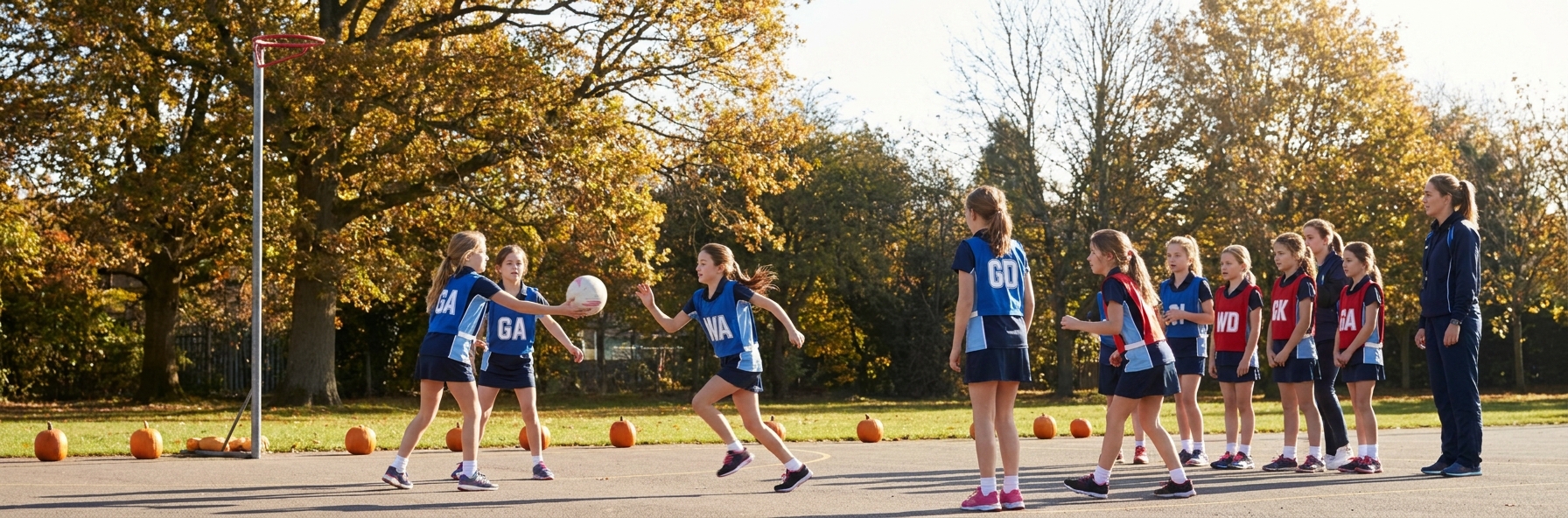
None of this needs a big budget. A handful of cones can stand in as "pumpkins", bibs can mark out the "haunted corridor", and face paint or a cheap headband is plenty of costume for a coach. Keep it light-hearted and avoid anything that could be frightening for younger players; the aim is fun, not a scare.
Key Coaching Points
- Keep the coaching purpose of every drill exactly the same as normal; only the name and the story change.
- Use the theme to lift effort and attention, not to replace technical correction.
- Rotate roles often in the tag and chasing games so every player gets a turn on both sides.
- Deliver coaching points in short bursts between rounds rather than long stoppages.
- Scale the conditions to the age group; simpler and shorter for High 5, more conditions for U11 to U13.
- Keep the theme family-friendly; no jump-scares or genuinely frightening elements for younger players.
Recommended Drills

Frequently Asked Questions
What is a good Halloween-themed drill for junior netball?
Any tag or chasing warm-up works well; renaming a game such as Bulldog to Zombie Tag costs nothing and lifts energy straight away. The key is to keep the underlying skill, in this case quick feet and changes of direction, exactly the same as it would be in a normal warm-up.
How long should a Halloween session be for High 5 or junior players?
Treat it like any other junior session, usually 45 to 60 minutes. Keep each themed block to 8 to 10 minutes so attention stays high, and spend a little longer on the final game, since that is where competitive engagement peaks.
Will a themed session distract from technique?
Not if you plan it properly. The theme should only change the name of the game and the story around it; the technical focus, such as chest pass technique or footwork on landing, stays exactly as it would in a normal week. Coach the skill, not the costume.
 sportplan_netball