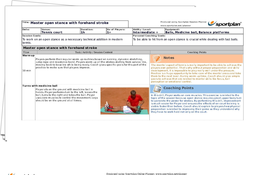
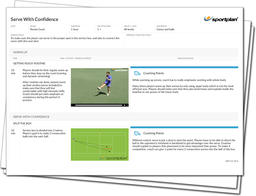
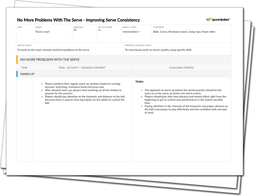
In this session we work on fast footwork, reactions and speed. Without these speed elements your players won't be able to get around the ball to play the inside-out forehand or reach shots played deep into the right angles of the court.
Using the split step players will create a strong starting position from which they can explode, either towards the forehand or the backhand side. Using the predatory split step position your players will work in pairs to retrieve the ball as quickly as possible, as it dropped in front of them and then later thrown over one of their shoulders to chase down and retrieve. After this running will become more game specific, looking at shot relevant footwork and racket technique - with no actual ball in use there'll be no excuse for poor posture.
After heightening their reactions players should be prepared to react quicker to visual stimuli, exploding from the split step stance and meet the ball with time to adjust their position and strike a powerful return shot.
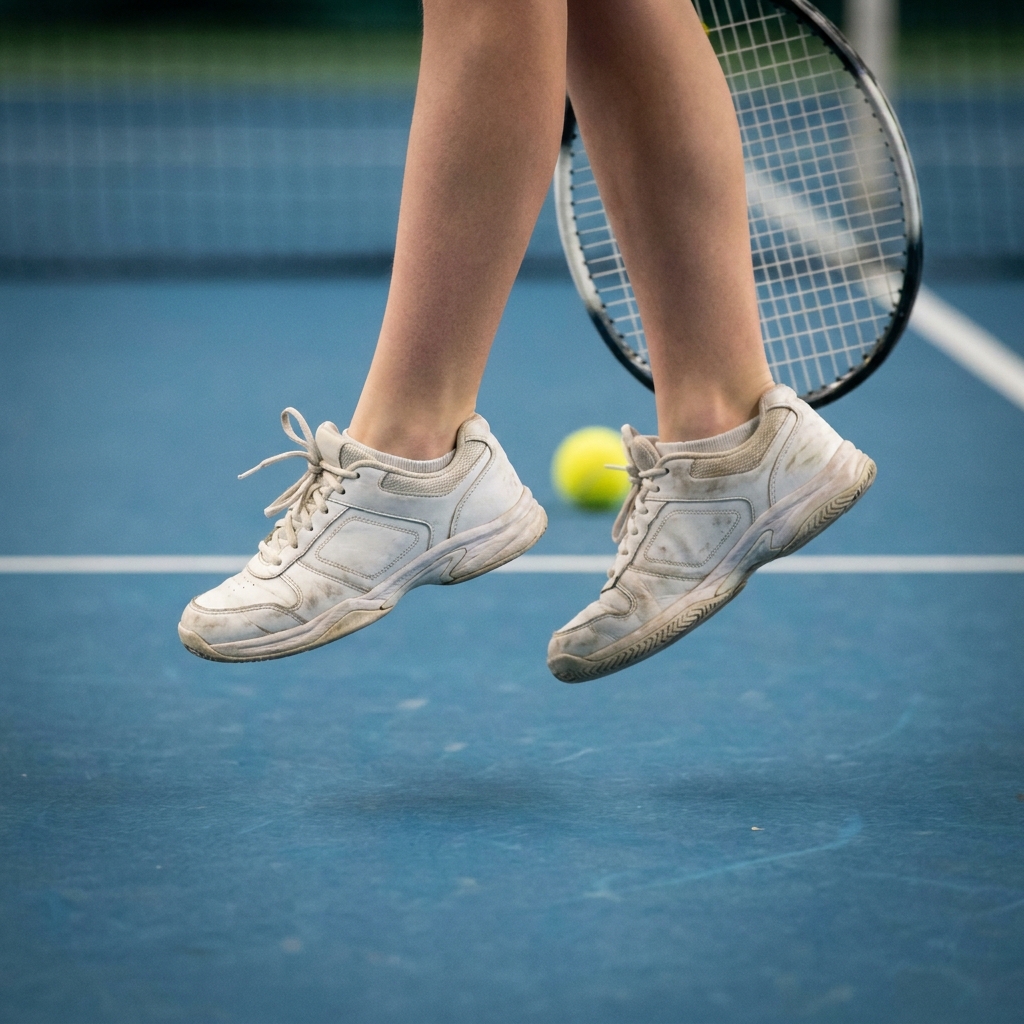
Indoor courts give players less time and less room. Help them sharpen their split step, shorten their swing and stay calm, and winter becomes a season of real progress.
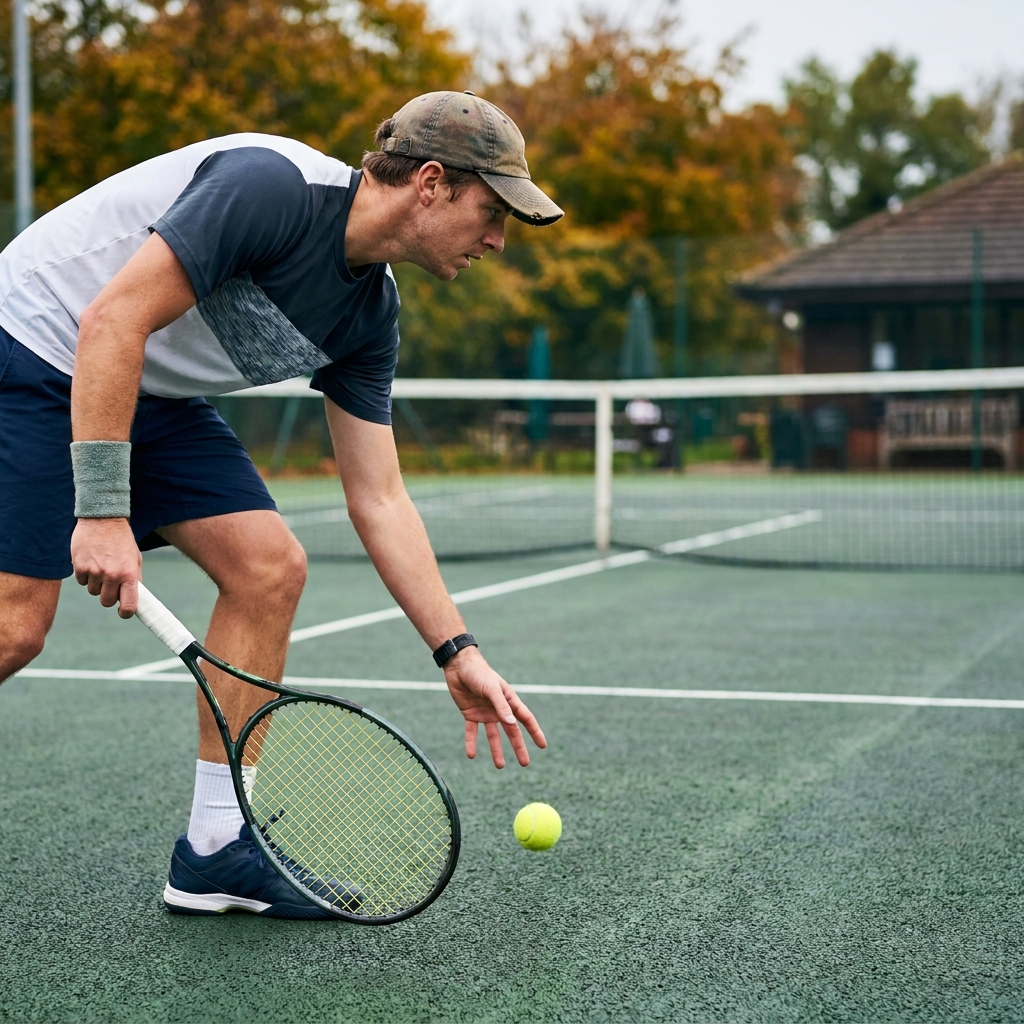
A tiebreak is a short sprint where every point is worth the same as a break of serve. The players who win them are rarely the ones who hit hardest. Here is how to coach the patterns, habits and scoreboard thinking that win the big points.
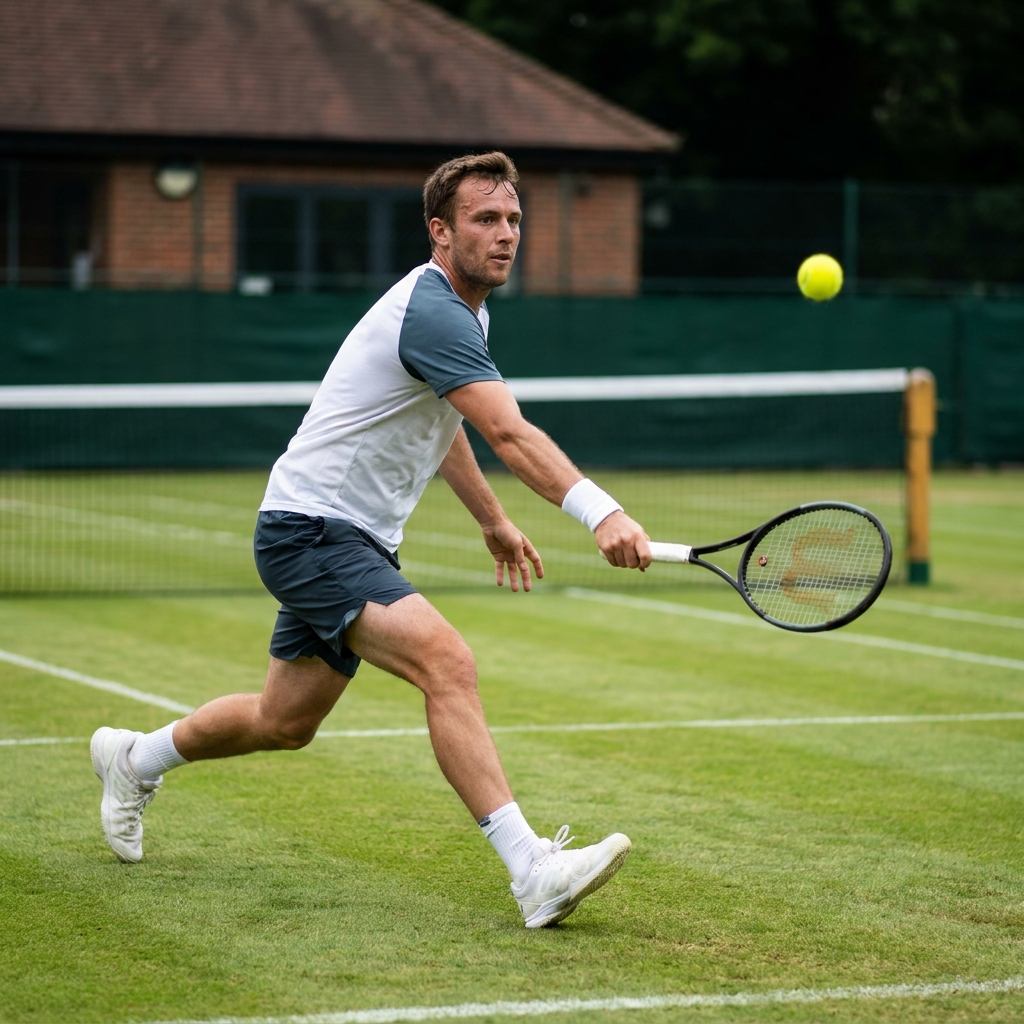
Most club players practise the serve on its own and then have no idea what to do with the ball that comes back. Serve plus one is the pattern that turns a good serve into a won point.


Register for FREE and get coaching tips, top drills, session and more every week!