TRANSFORM YOUR TEAM'S SEASON WITH PROFESSIONALLY PLANNED SESSIONS
Use our expert plans or build your own using our library of over 700+ drills, and easy-to-use tools.
JOIN NOWIf a WA is holding the ball on the edge of a shooting circle and is waiting for the shooter to move closer to the hoop whilst her legs are in a split position before passing her the ball then passes the ball to her as she is now closer where does the defender have to defend from.

Hi Cleo,
In netball, the defender must be at least three feet (approximately 0.9 meters) away from the player with the ball. This is known as the "three-foot rule." The defender must try to stay within three feet of the player with the ball but cannot be any closer. This rule applies to both attacking and defensive players when the attacking player has possession of the ball.
So, in the scenario you described, if the wing attack is holding the ball on the edge of the shooting circle and is waiting for the shooter to move closer to the hoop, the defender must maintain a distance of at least three feet from the wing attack. Once the ball is passed to the shooter, the defender should also keep at least three feet away from the shooter. The defender's goal is to try to intercept the ball or disrupt the shooter without violating the three-foot rule.
Hope this helps.
Archie

in more ways than one
 sportplan_netball

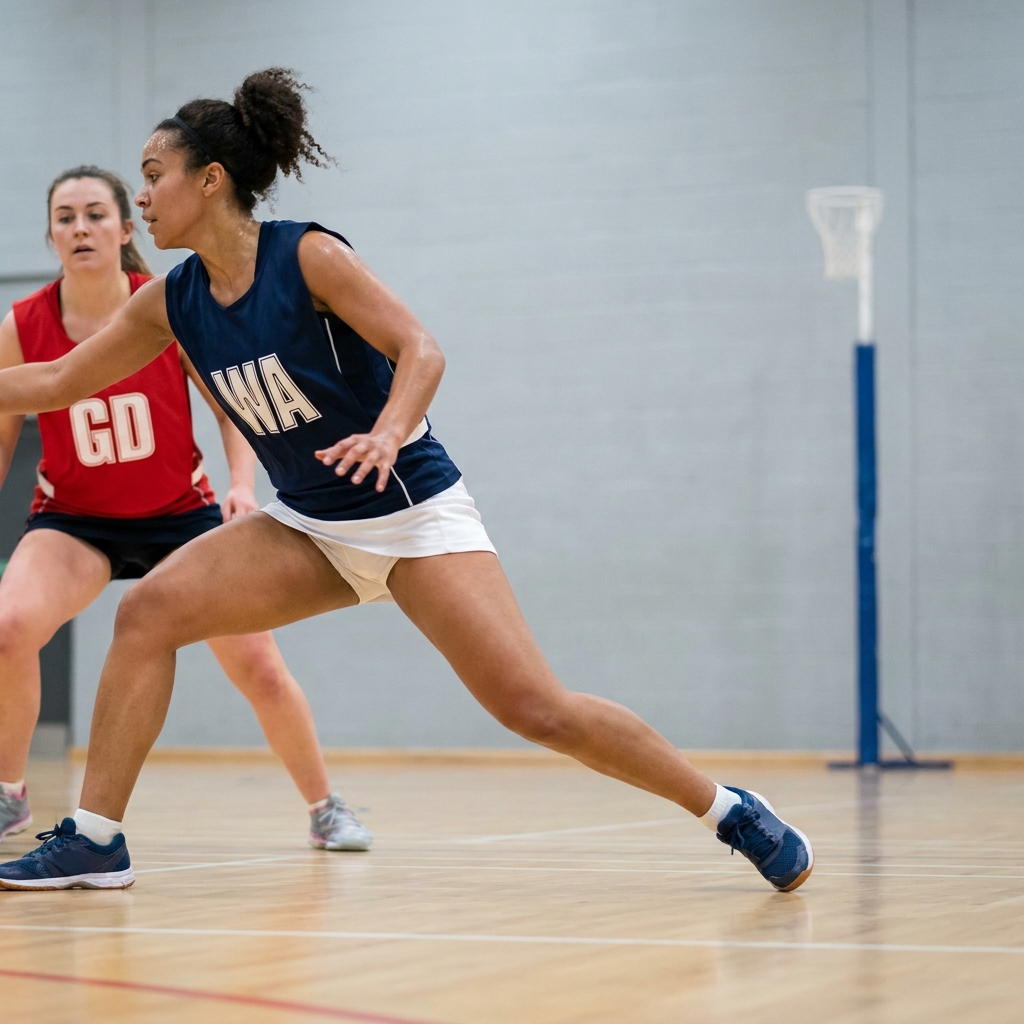
Tight markers win when attackers run in straight lines. Teach your players to dodge, change pace and time their drive so they get free when the ball is ready.
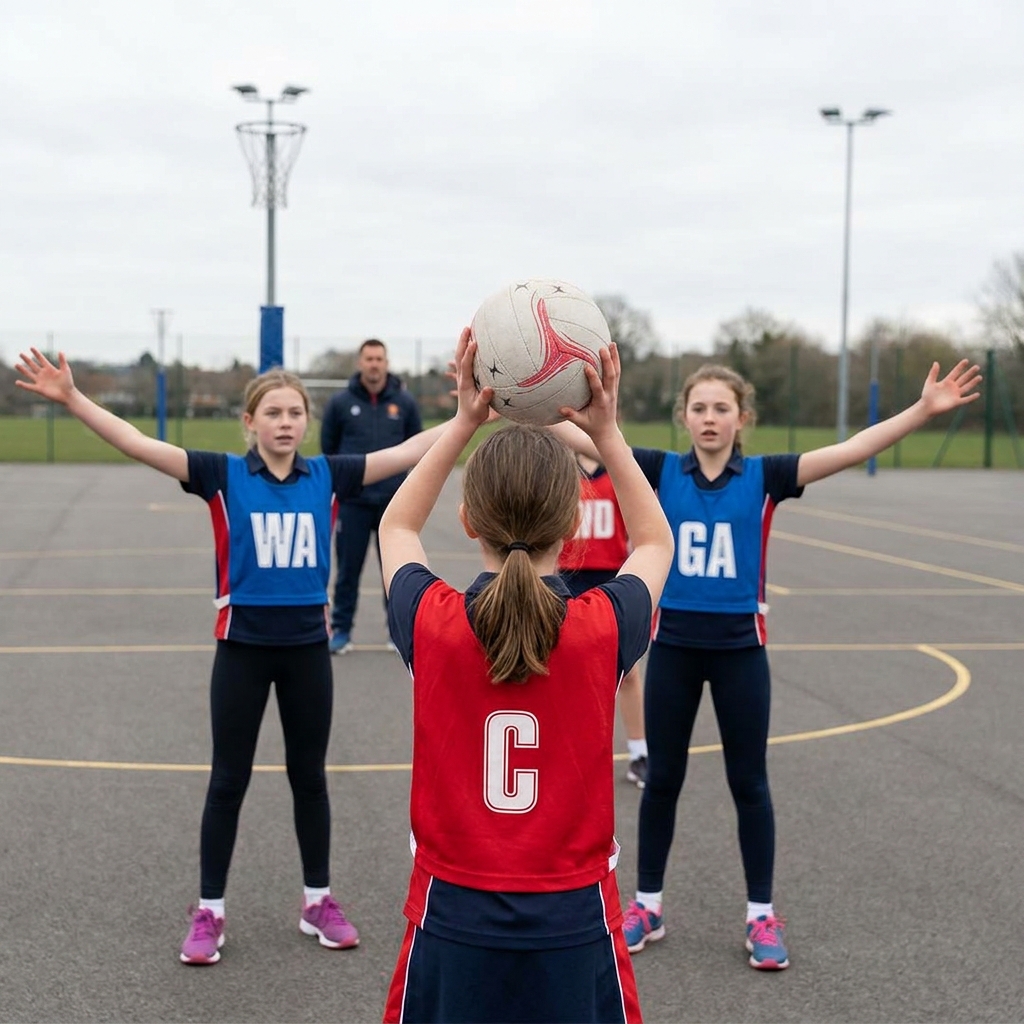
When everyone chases the ball, nobody is free. Teach your team to spread out, offer two options and clear space so the ball moves cleanly down court.
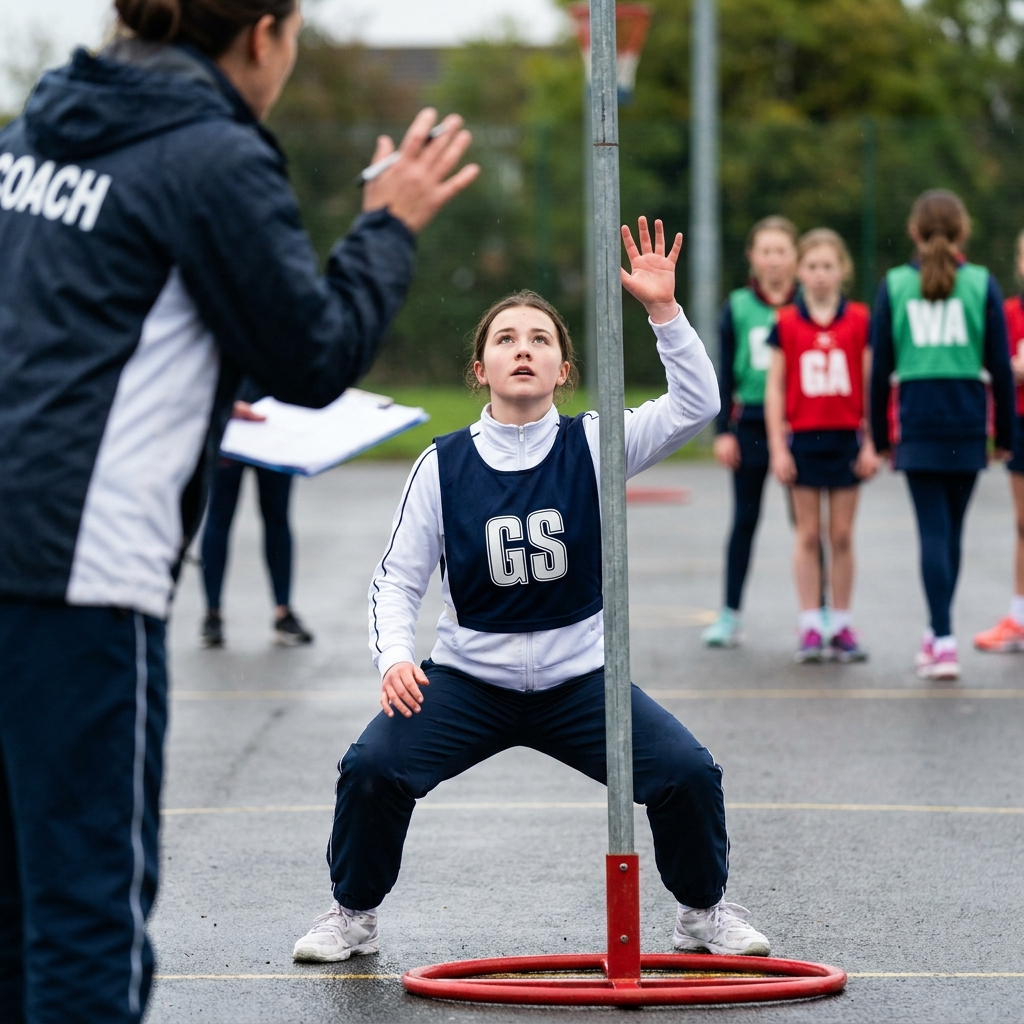
A shooter who can hold a strong position under the post is worth more than one who runs all over the circle. Here is how to coach body shape, a legal hold and a well-timed release, and how feeders make the most of it.
Use our expert plans or build your own using our library of over 700+ drills, and easy-to-use tools.
JOIN NOW