TRANSFORM YOUR TEAM'S SEASON WITH PROFESSIONALLY PLANNED SESSIONS
Use our expert plans or build your own using our library of over 700+ drills, and easy-to-use tools.
JOIN NOW
please tell me the rules for WD
Hi Beth, great question. Here are the rules for WD:
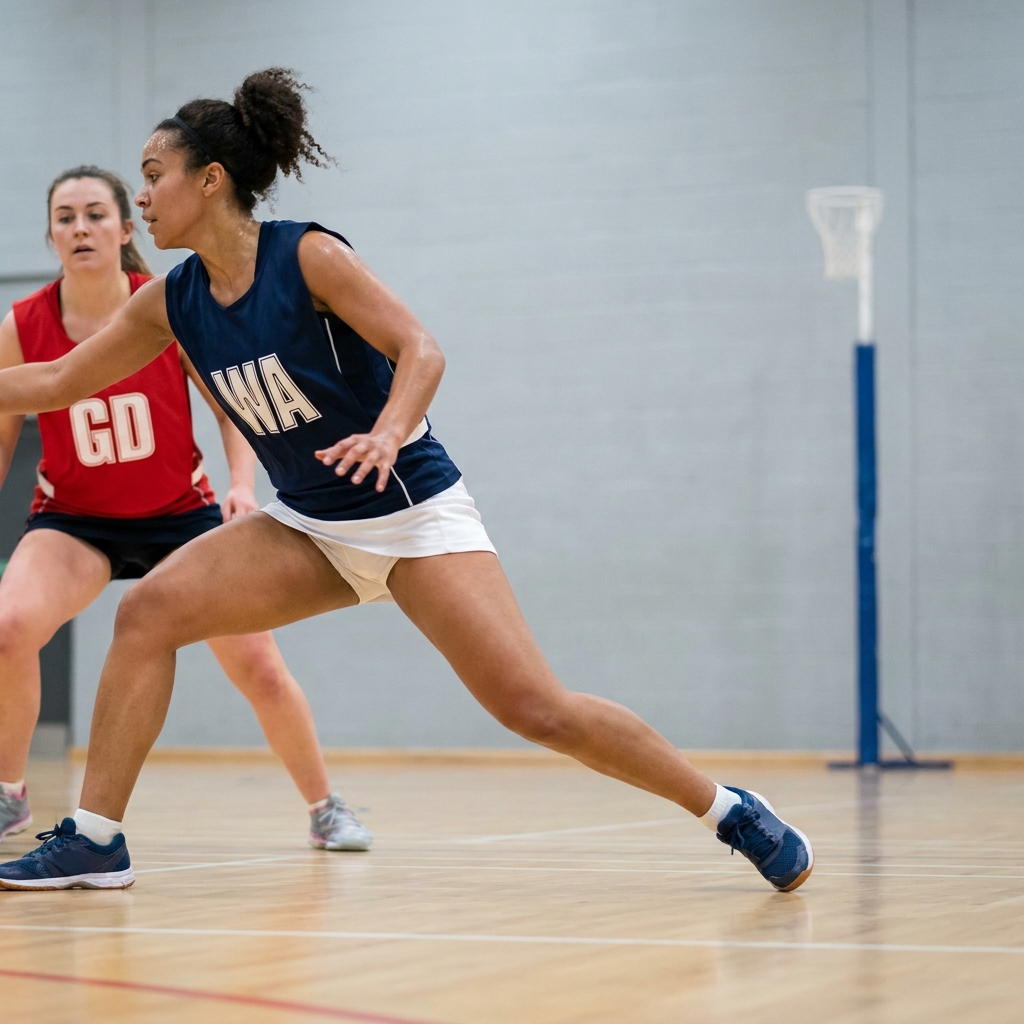
Court Area: WD can move in the defensive third, the center third, and up to the transverse line in the attacking third but not beyond or into the goal circle.
Marking: WD primarily marks the opposing Wing Attack (WA), focusing on disrupting play and intercepting passes.
No Contact: WD must avoid physical contact with other players. This includes no pushing, blocking, or physical interference.
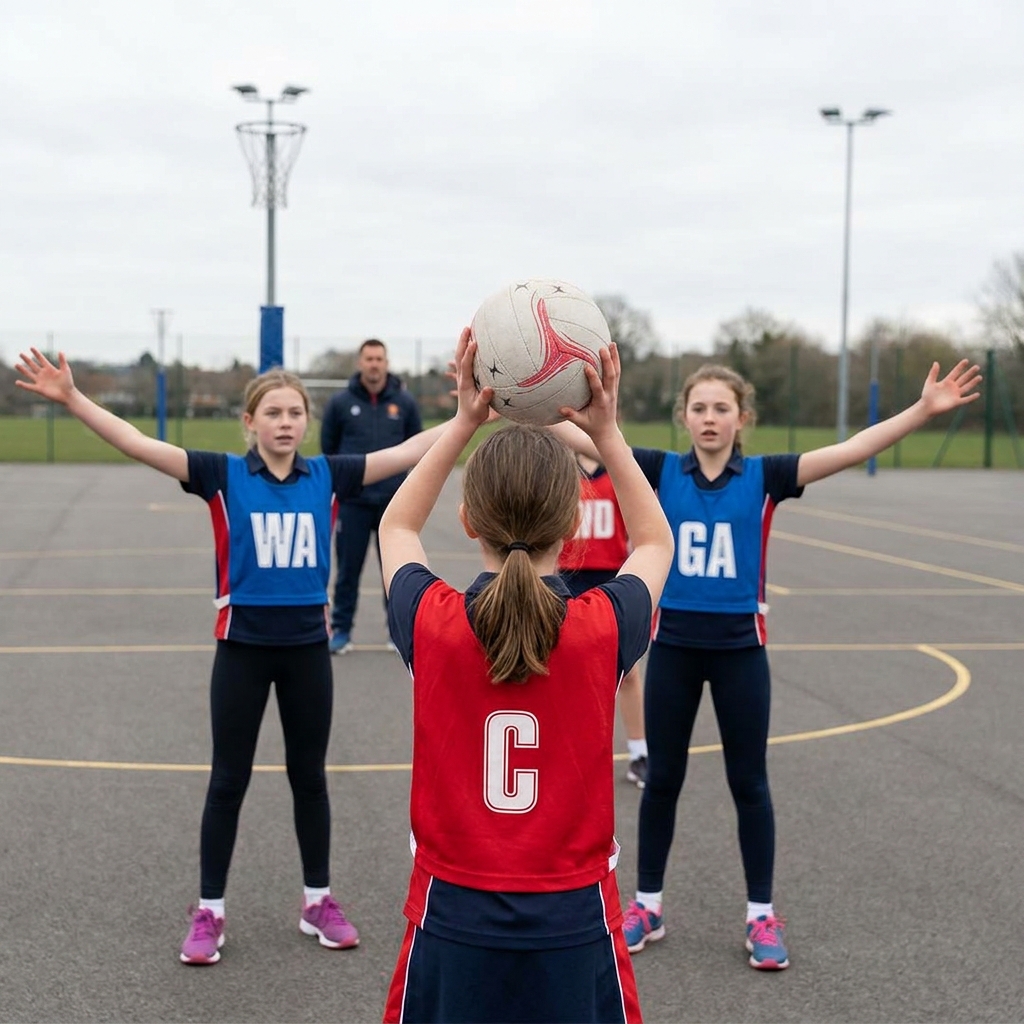
Three Feet Rule: When defending, WD must stay at least three feet away from the player with the ball.
Obstruction: WD cannot defend a pass or shot by reaching over a player who is shooting or passing the ball.
These rules help define the WD's role on the court, emphasizing defense and minimal physical contact.
I hope this helps,
Cam
in more ways than one
Split circle defence is the system the top three NSL teams have built their identity around in 2026. The Goal Keeper and Goal Defence divide the circle into zones, switch in synchrony, and make every passing option look risky. Here is how to coach it.
Most netball shooters know how to shoot. The difference at the top is who can shoot when it counts. A structured 10-minute pre-game mental routine is the most under-used performance tool in club netball - and it is the simplest to teach.
The best Goal Defences in the 2026 NSL season are intercepting more than ever. The reason is not raw athleticism. It is a deliberate shift from chasing the attacker to driving into the flight path of the ball. Here is how to coach it.
Use our expert plans or build your own using our library of over 700+ drills, and easy-to-use tools.
JOIN NOW