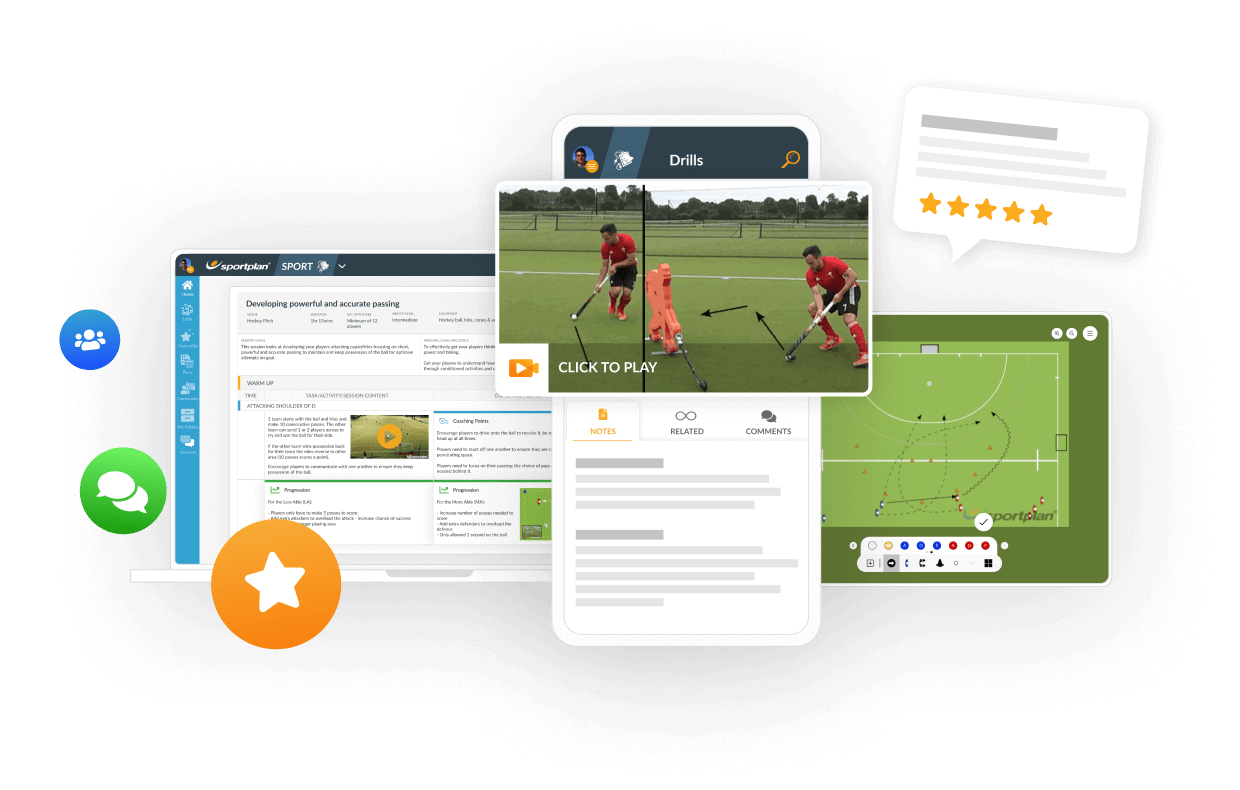
4v4 inside Double D area playing to full width. Extra players positioned along the baseline from T-spot to corner. Spare balls with extra players. Game starts with feed from baseline. Players can shoot as soon as they enter the D. When ball is turned over (including goal scored) it must be played back to the feeder on the baseline and received by any player in the playing space before attacking. Rotations: player that turns the ball over and feeds in to baseline switches out of playing area. Feeder becomes active in the playing space. Attacking with perceived overload with deep outlet on baseline. Progression: When ball is turned over ball no longer HAS to be played back to baseline and one feeder can join the attack to create the overload.
Use of the deep outlet to start attack. Vision from player on baseline to distribute into space. Identifying where the space is and use of width to attack even when fastest route to goal may be through the middle.
This practice has no coaching points
This practice has no progressions
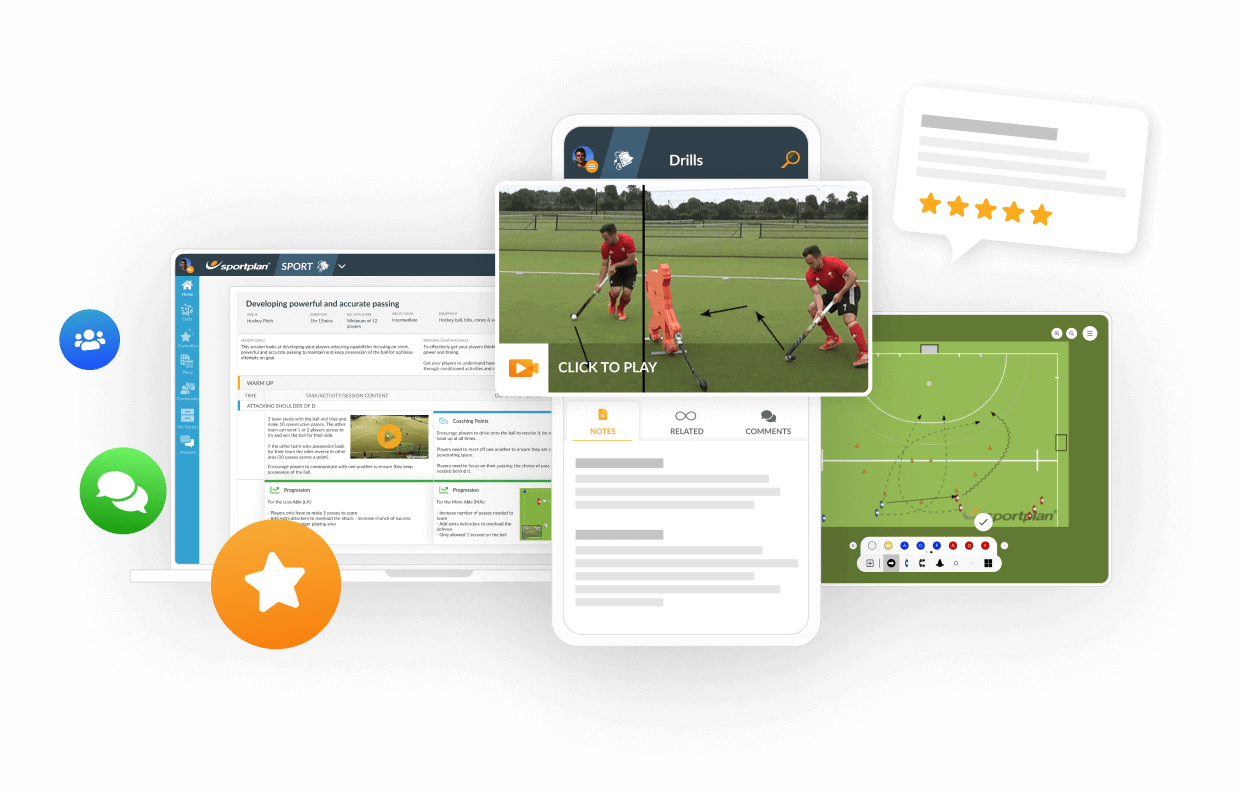
in more ways than one
 sportplan_hockey

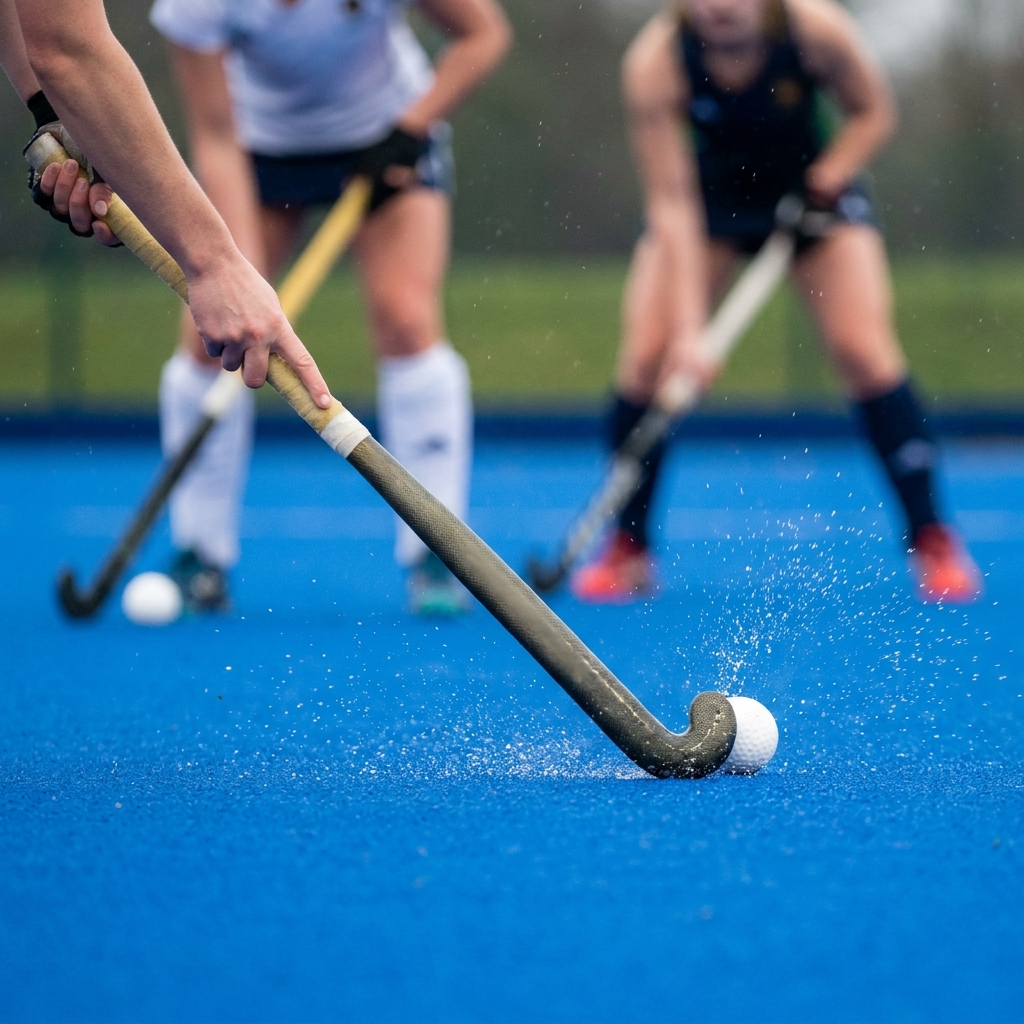
A few weeks into the league season, poor first touches are costing teams the ball. Coach body shape, scanning and receiving on the move to keep possession.
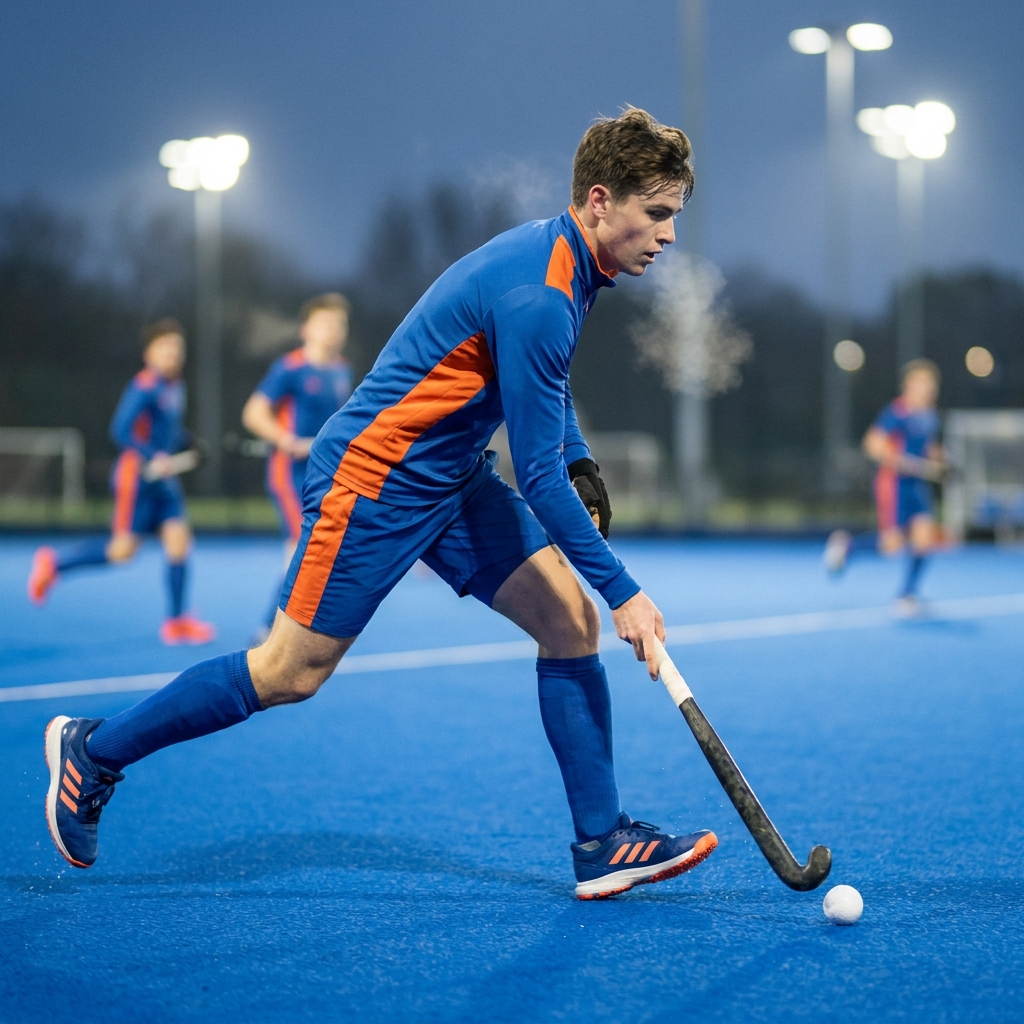
Pre-season fitness fades fast once the league starts. Build conditioning into ball work and use rolling subs well to keep your squad sharp all season.
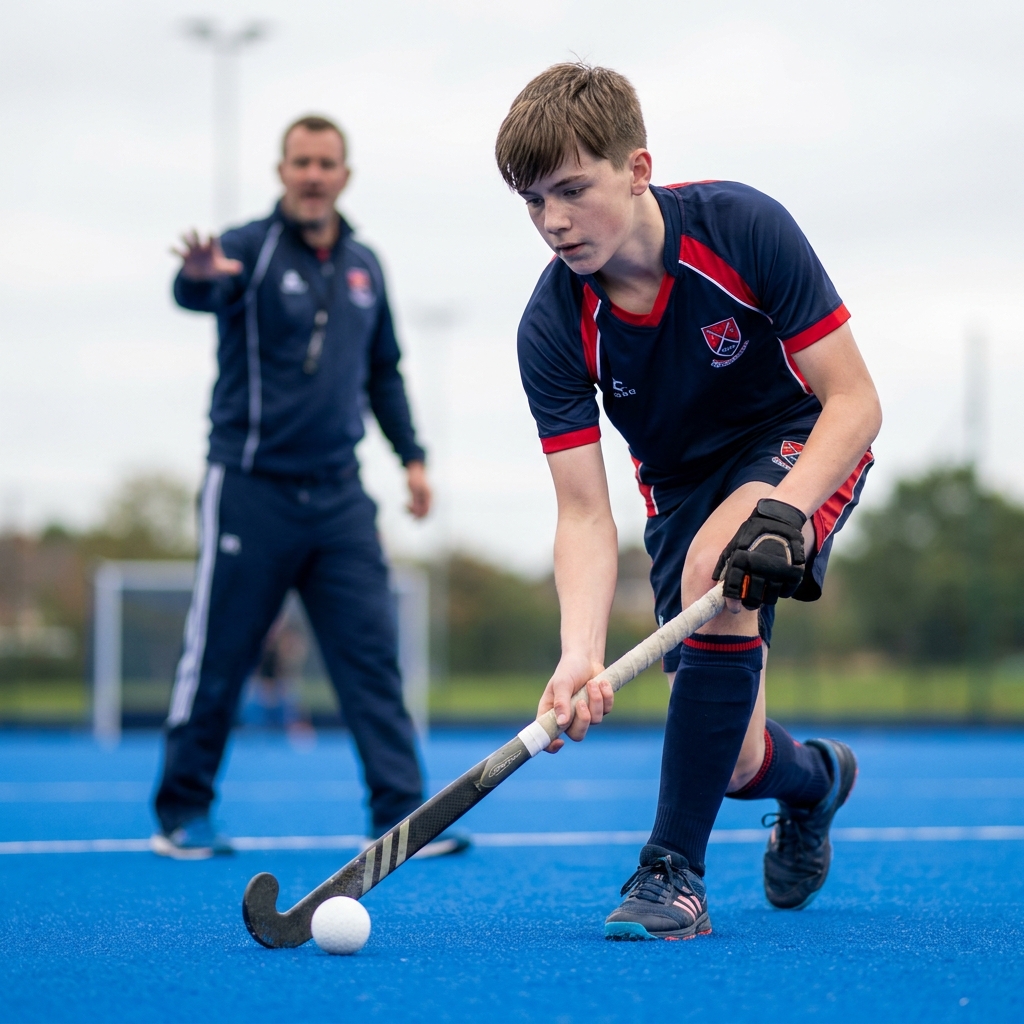
The first weeks of the season decide whether a junior or new player sticks with adult hockey. Here is how to keep them safe, give them a clear job and build their confidence from the very first bully.