This game is very similar to a real situation. Key difference is that the 'D' is a rectangle and forwards can score from anywhere once inside the opposition's rectangle.
Key points from which relate to a real game: there is outletting forward trying to cover the forward pass by the two centre-backs midfielders leading to receive midfielders leading to creat 2v1 forwards leading to create scoring opportunities Options to add-in: players cannot leave there allocated zone ball transfer must be between each zone i.e. cannot go from centre-back to a forward player who passes into the next zone may join that group to create an overload e.g. centreback can join midfield should she be the one who passes the ball into this zone. Watch how overloads are exploited. Observe players counter-cover positions and preparedness This game can have many objectives: goal-scoring 2v1 counter-cover ball carrying position open/closed receiving Whatever the objective, there should also be a simple drill which players can practise after 6-8 minutes of actual play time. Coaches to allow players to openly discuss positives/negatives at breaks, but they must have identified both (where possible)
This practice has no coaching points
This practice has no progressions

Rain, standing water and a slick pitch change everything. Here is how to adjust your technique and game plan for wet winter hockey.
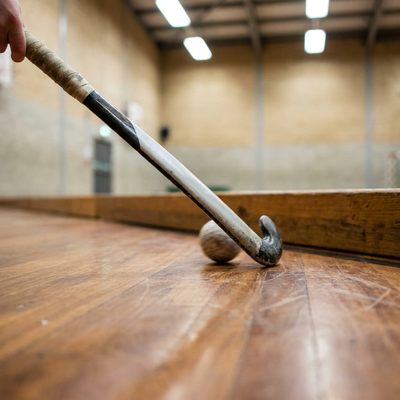
As clubs start their indoor fixtures, outdoor habits get punished fast. Here is how to retrain the skills that actually change indoors.

Two defenders chase the ball, nobody covers the runner, and a soft goal goes in. Here is the five-step treat for the mix-up haunting hockey defences this October.


Register for FREE and get coaching tips, top drills, session and more every week!