Objective â Defensive principles â Delay, disrupt, dispossess Game makeup 1/8th of a pitch 3v3 with goal scorers for each team in the End Zone Teams score by passing the ball to either Goal scorer in the End Zone When a team scores, the End Zone player who receives the pass is released from the goals and the team turns and attacks in the other direction. When they attack the new one they must get a player up into their new End Zone Play in sets of 2 mins Scoring â Keep cone scores 2 pts for pass into end zone 1 pt for interception turnover
Delay, Deny, disrupt â Do not dive Press after loss Stay in the game Channel Double team the attacker and force a mistake Force the attacker to rollout Low and mobile body position / good footwork DEF one player on ball - others between ball carrier and free player
This practice has no coaching points
This practice has no progressions

in more ways than one
 sportplan_hockey


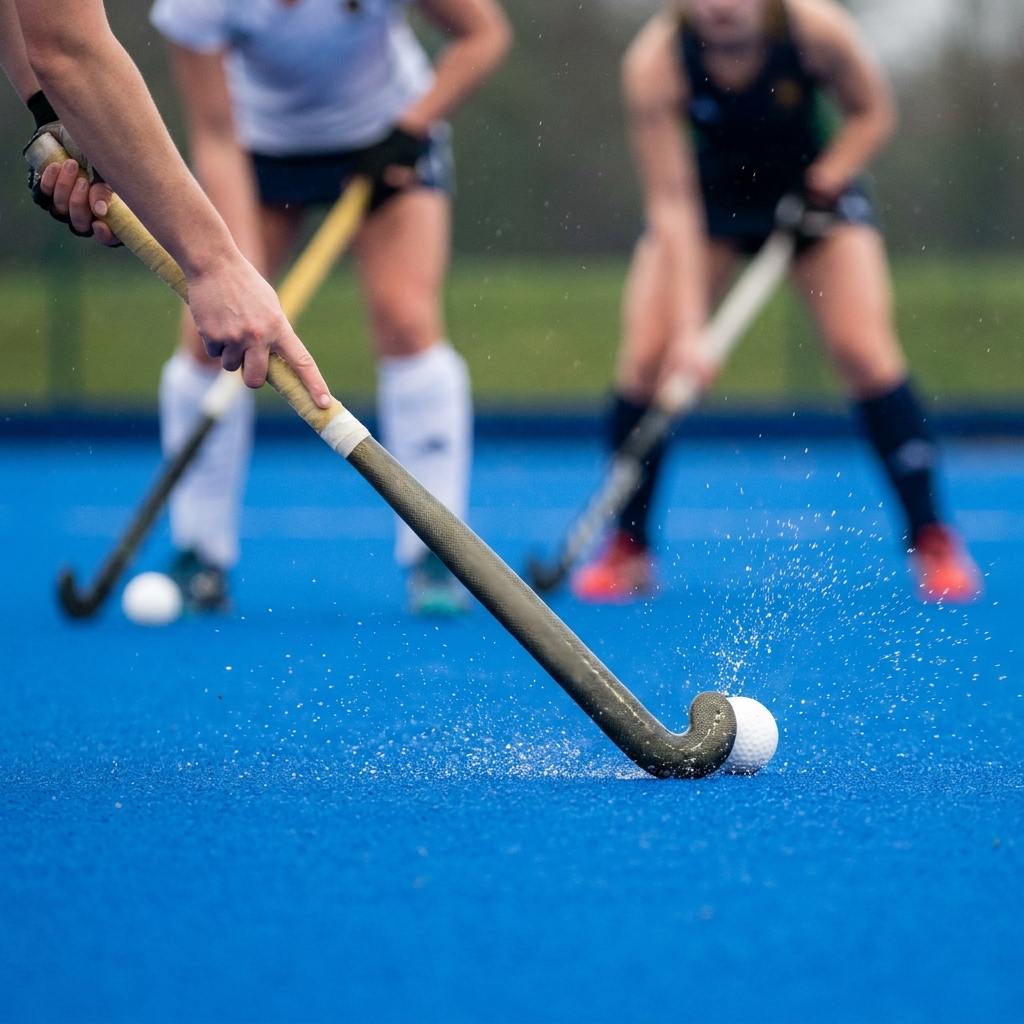
A few weeks into the league season, poor first touches are costing teams the ball. Coach body shape, scanning and receiving on the move to keep possession.

Pre-season fitness fades fast once the league starts. Build conditioning into ball work and use rolling subs well to keep your squad sharp all season.
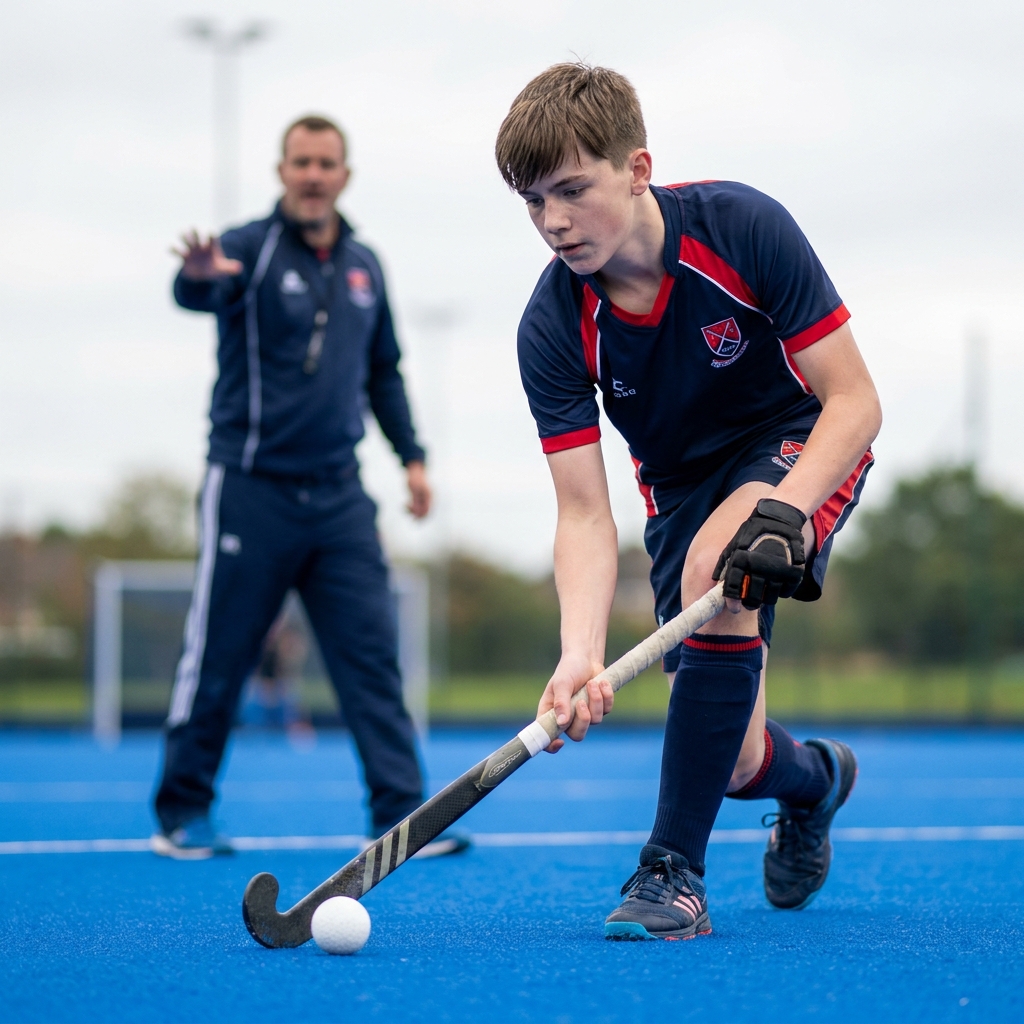
The first weeks of the season decide whether a junior or new player sticks with adult hockey. Here is how to keep them safe, give them a clear job and build their confidence from the very first bully.