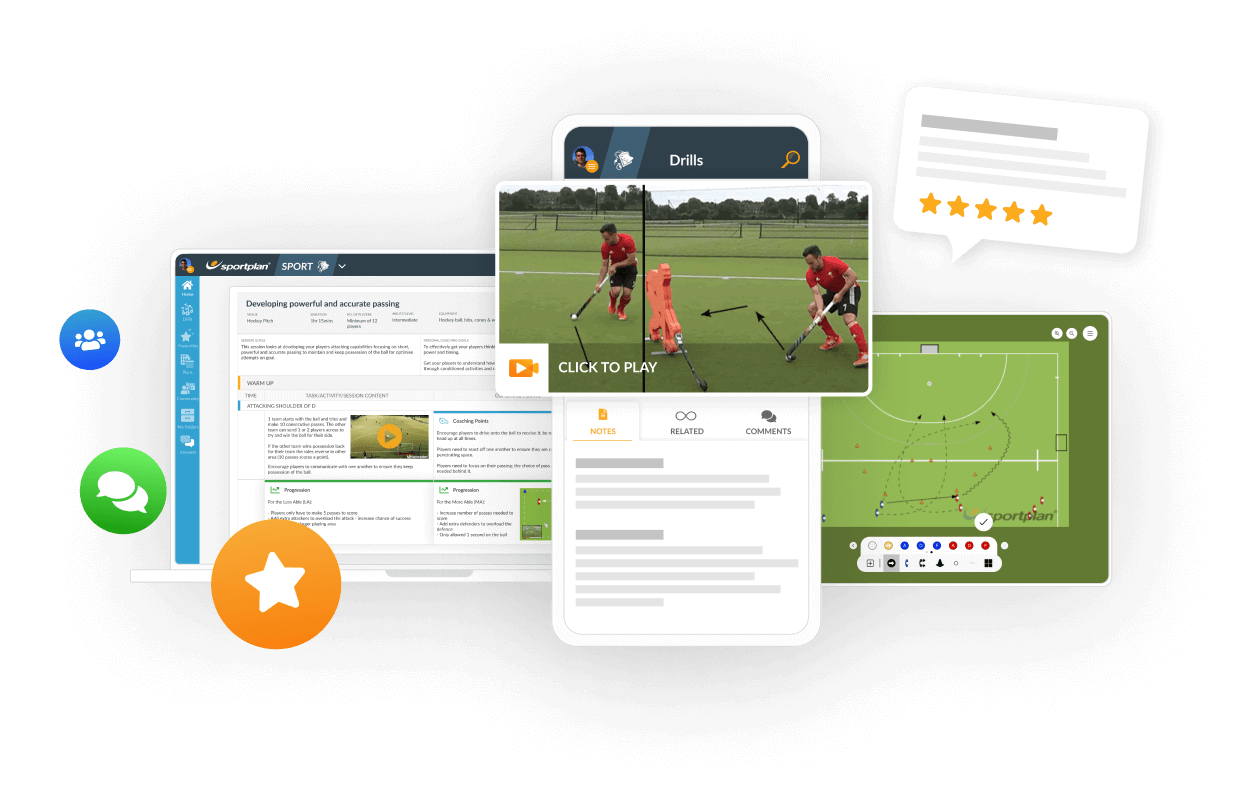
Two teams, A vs B. Team A has an overload, i.e. 5v3 or 5v4. Team A starts as the defending team and takes a '16'. 2 players from Team A go into midfield behind the cones, with 1 player from Team B. Team A tries to outlet to those players. Team B must win the ball and attack the goal. If Team A passes to one of their midfielders and they carry the ball over the halfway line, Team A immediately attacks the main goal with an overload, with Team B defending.
Use to practice outletting, or defending with an underload/overload. Feedback: Outletting: midfielders, can you offer the ball-carrier a low-risk pass between the defenders? Reaction to turnover: How quickly can you apply pressure? If you canât win the ball, can you force the ball carrier to pass in a certain direction?
This practice has no coaching points
This practice has no progressions

in more ways than one
 sportplan_hockey

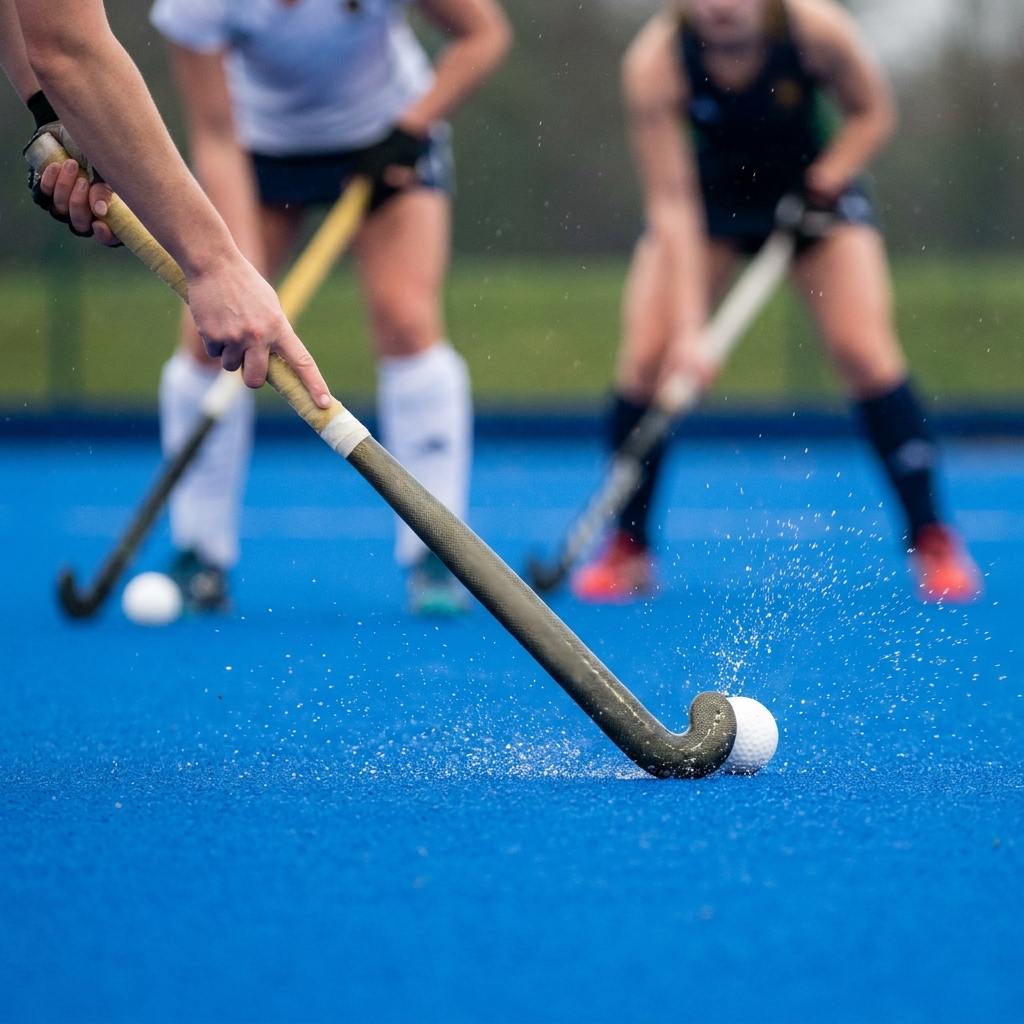
A few weeks into the league season, poor first touches are costing teams the ball. Coach body shape, scanning and receiving on the move to keep possession.
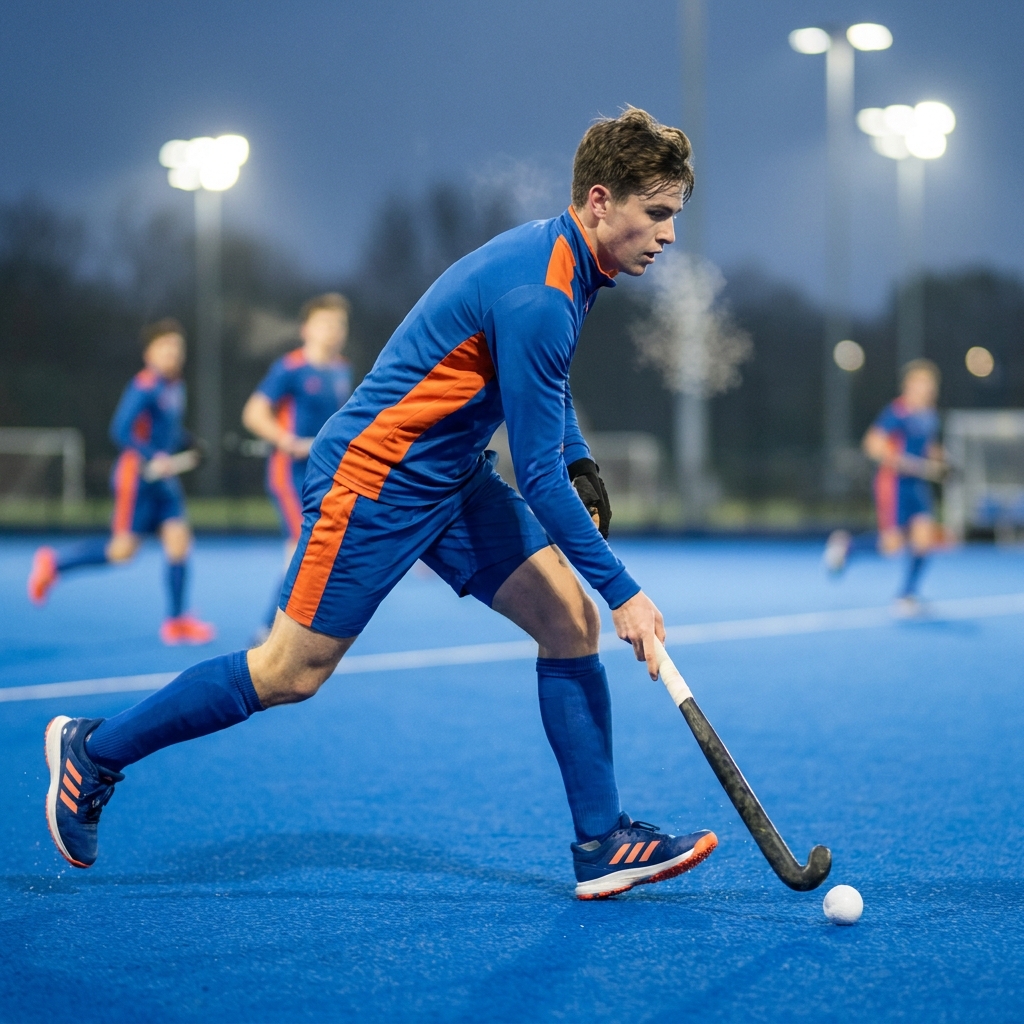
Pre-season fitness fades fast once the league starts. Build conditioning into ball work and use rolling subs well to keep your squad sharp all season.
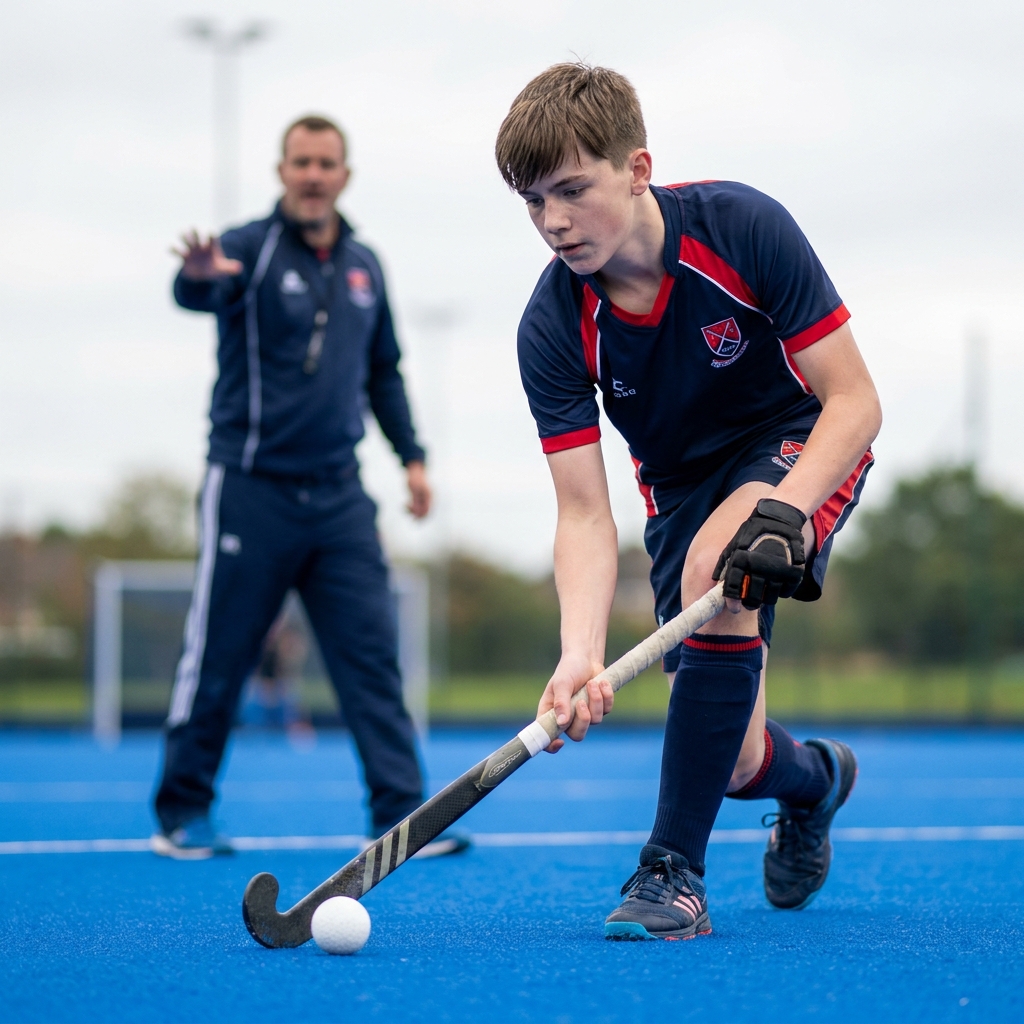
The first weeks of the season decide whether a junior or new player sticks with adult hockey. Here is how to keep them safe, give them a clear job and build their confidence from the very first bully.