Split half pitch into 3 with 3 GKs.Waiting players congregate in the middle. 2 sets of bibs in each group.1 v 1. Coach injects from baseline near the post. (try bouncing balls to progress) and 2 players contest the ball. First to the ball becomes attacker, the other defender. Shot at goal.2 v 1. Defender starts on the edge of the D and closes down the space having started the drill with a wall pass to the two attackers. Shot at Goal.2 v 2. Defender starts at the edge of the D and like above, starts the drill with a wall pass. A second defender can then try to track back and help the first defender once the attackers are moving forward with the ball. Shot at Goal.Ideally run this whole drill with about 25-28 inc GKs, per half pitch. Adds some variation and different decision making processes to the elimination and defensive skills to be used as they move round the circuit.Suggest 8 in each sector, rotating roles then changing to the next drill after 20 minutes. Give the defenders an outcome by placing a pair of cones in a wide safe position to move towards if they turnover the attack.
Defence. Channel to wide areas and to your forehand. Use the GK, dont let them penetrate the top of the D. Slow them down, jab, block, get low, balls of feet, sideways body shape. Composure, get the attackers eyes down so they cant see passing and movement options.Attack. First touch where you want it, "pace, face, space". Ball carrying position. For 2 v 1 and 2 v 2, one attacker needs to create space by getting ahead or offering angled support. Quick hands and short backswings when shooting, dont allow GK to set or defender to jab when striking. Encourage backhand shots . " Get an outcome "- free hit, PC or make keeper make a save.
This practice has no coaching points
This practice has no progressions

in more ways than one
 sportplan_hockey


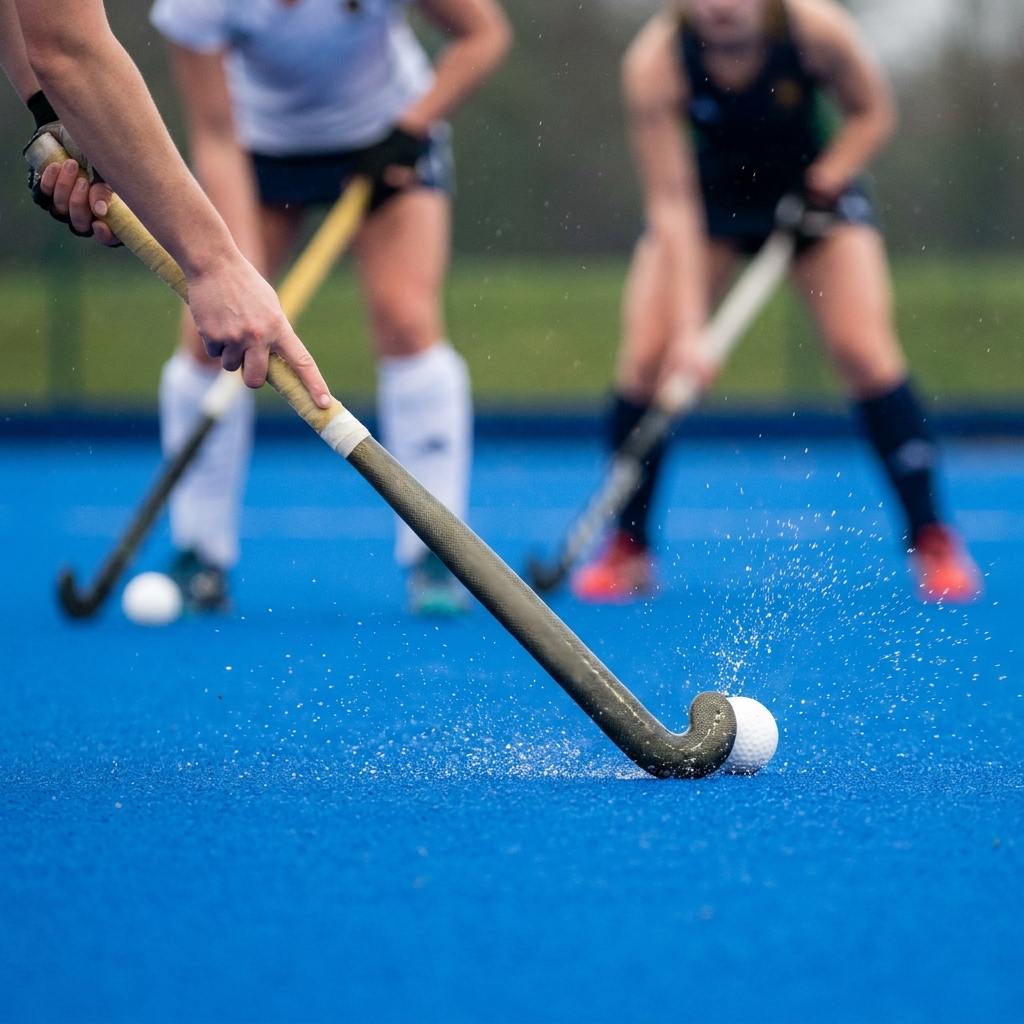
A few weeks into the league season, poor first touches are costing teams the ball. Coach body shape, scanning and receiving on the move to keep possession.
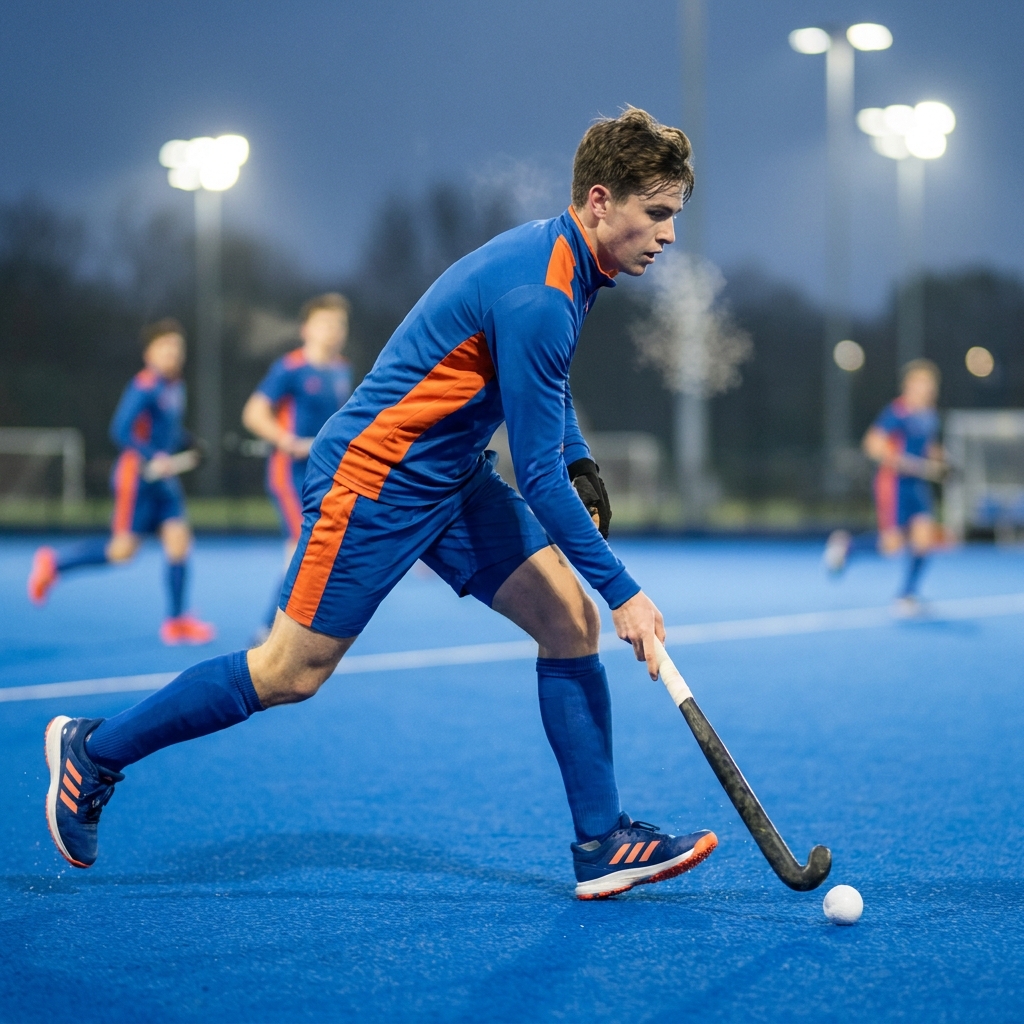
Pre-season fitness fades fast once the league starts. Build conditioning into ball work and use rolling subs well to keep your squad sharp all season.
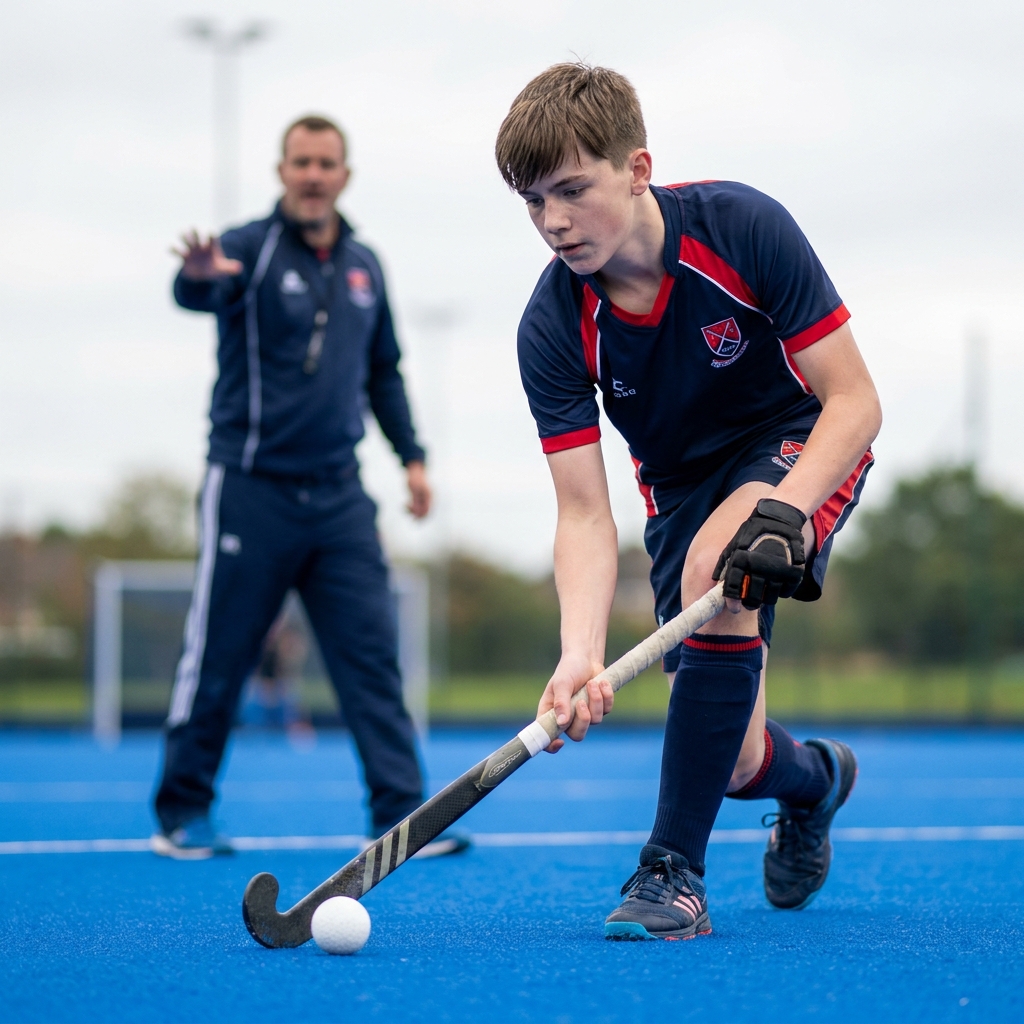
The first weeks of the season decide whether a junior or new player sticks with adult hockey. Here is how to keep them safe, give them a clear job and build their confidence from the very first bully.