Two lines of players face a small pitch with two mini-goals. The coach rolls a ball into space, and the first player from each line sprints out, around the red cone and afterwards towards the goal. Whoever gets the ball tries to score in either goal; the other defends. As soon as a goal is scored, the ball goes out, or 20 seconds pass, the coach blows the whistle. Both players immediately run to the back of the opposite line, and the coach rolls the next ball for the next duo to keep the game non-stop. When the defender takes the ball they need to score between the red cones.
Attacking (With the ball): Head up (Scanning): Look up to see where the open space is and which goal is undefended. Accelerate to the ball: Sprint at maximum speed from the very first step to win initial possession. accelerate into space: look where the spaces are and run into the spaces with the ball. Defending (Without the ball): Stick on the ground: Keep the stick low on the turf to make safe, clean tackles instead of hacking wildly. Instant transition (Switching): The moment you lose the ball, instantly switch to defending and block the path to the goal next to the trainer.
This practice has no coaching points
This practice has no progressions

in more ways than one
 sportplan_hockey




Rain, standing water and a slick pitch change everything. Here is how to adjust your technique and game plan for wet winter hockey.
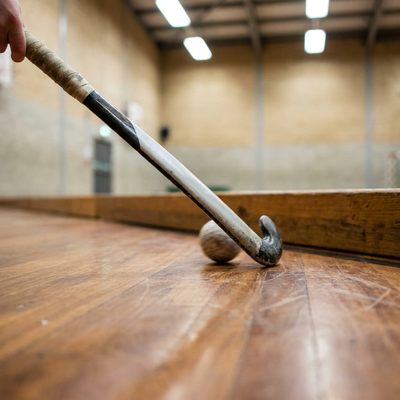
As clubs start their indoor fixtures, outdoor habits get punished fast. Here is how to retrain the skills that actually change indoors.

Two defenders chase the ball, nobody covers the runner, and a soft goal goes in. Here is the five-step treat for the mix-up haunting hockey defences this October.