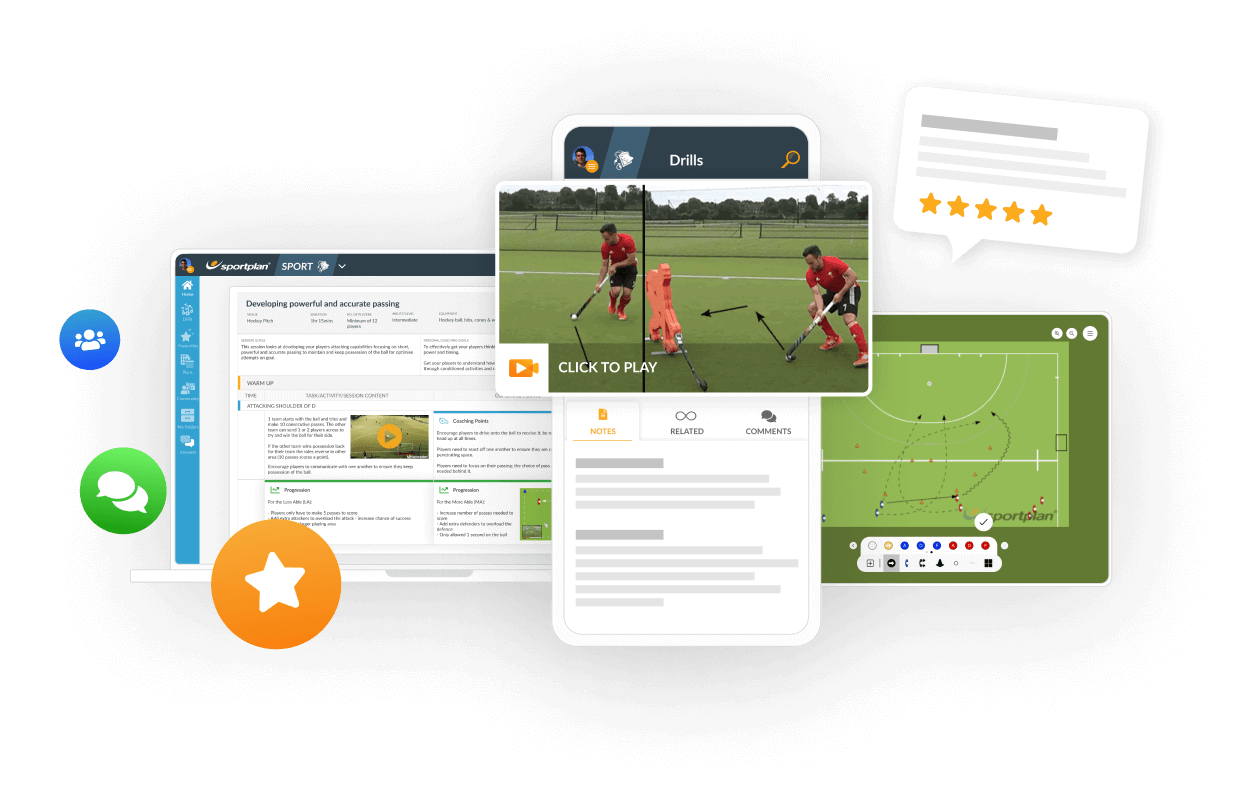
-5 o 7 minuts a cada camp i canvi de banda En Camp 1: -Passada de dreta a esquerra. Rebre i passar sense parar la pilota. Amb velocitat. -Recepció i passada del davanter amb rapidessa, sense parar la pilota.Passada al quadrat indicat on desvia al primer toc el defensa dret. En Camp 2: -Passada de esquerra a dreta. El defensa dret no para la pilota, la continua per tal de driblar-se un hipotètic defensa. -Passada al davanter del fons, rapidament passada a punta d'à rea al davanter esquerra que tira. Rotació: Es va on s'ha fet la passada.
-Velocitat en els canvis de banda, grà cies als tipus de recepcions -En el camp 1, Desviar la pilota però NO pel centre de la porteria -En el camp 2, tir al porter amb efectivitat. Es contaran gols -Passades amb precisió.
This practice has no coaching points
This practice has no progressions
in more ways than one
 sportplan_hockey
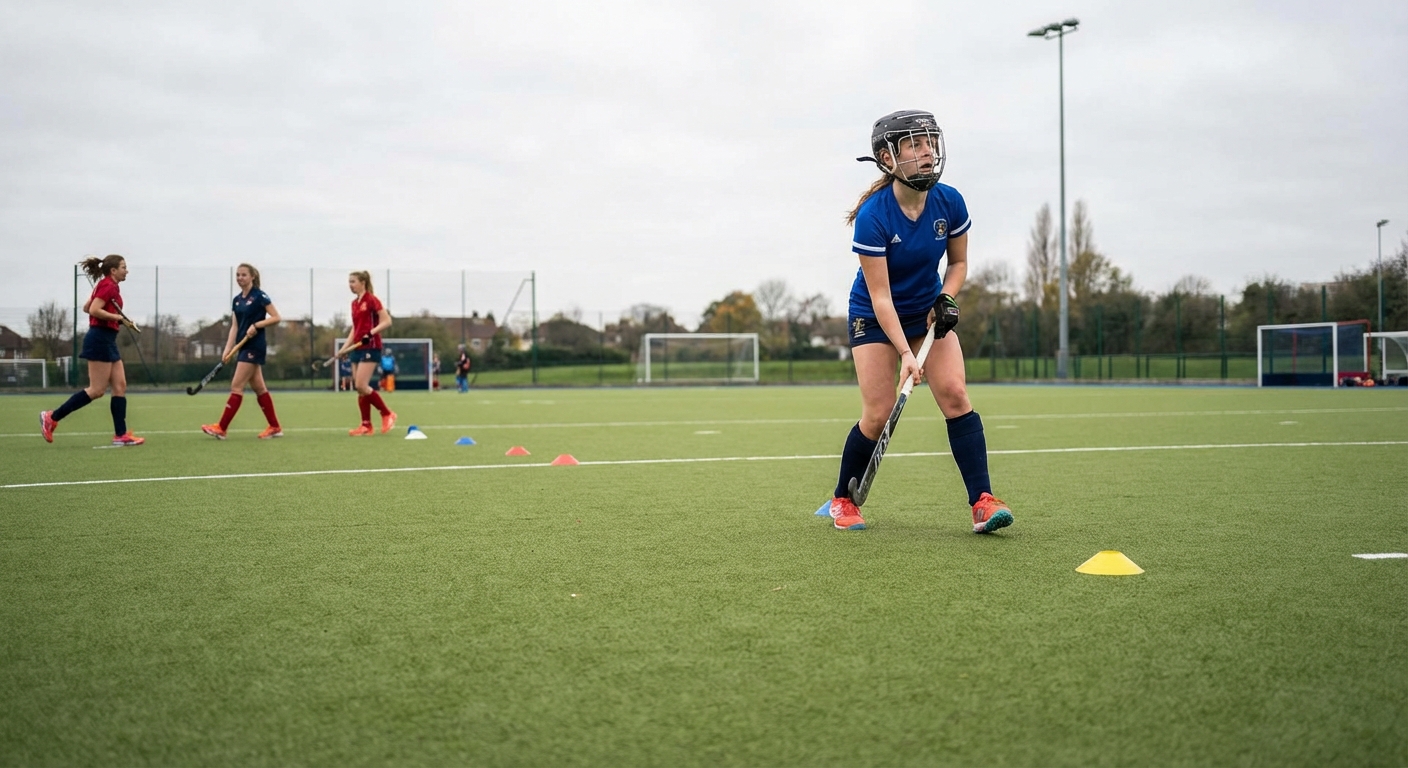
The best hockey players in the world do not just react faster; they scan more frequently and process information before the ball arrives. This article explores the science behind scanning, how to coach spatial awareness as a habit, and practical drills that force players to lift their heads and read the game.
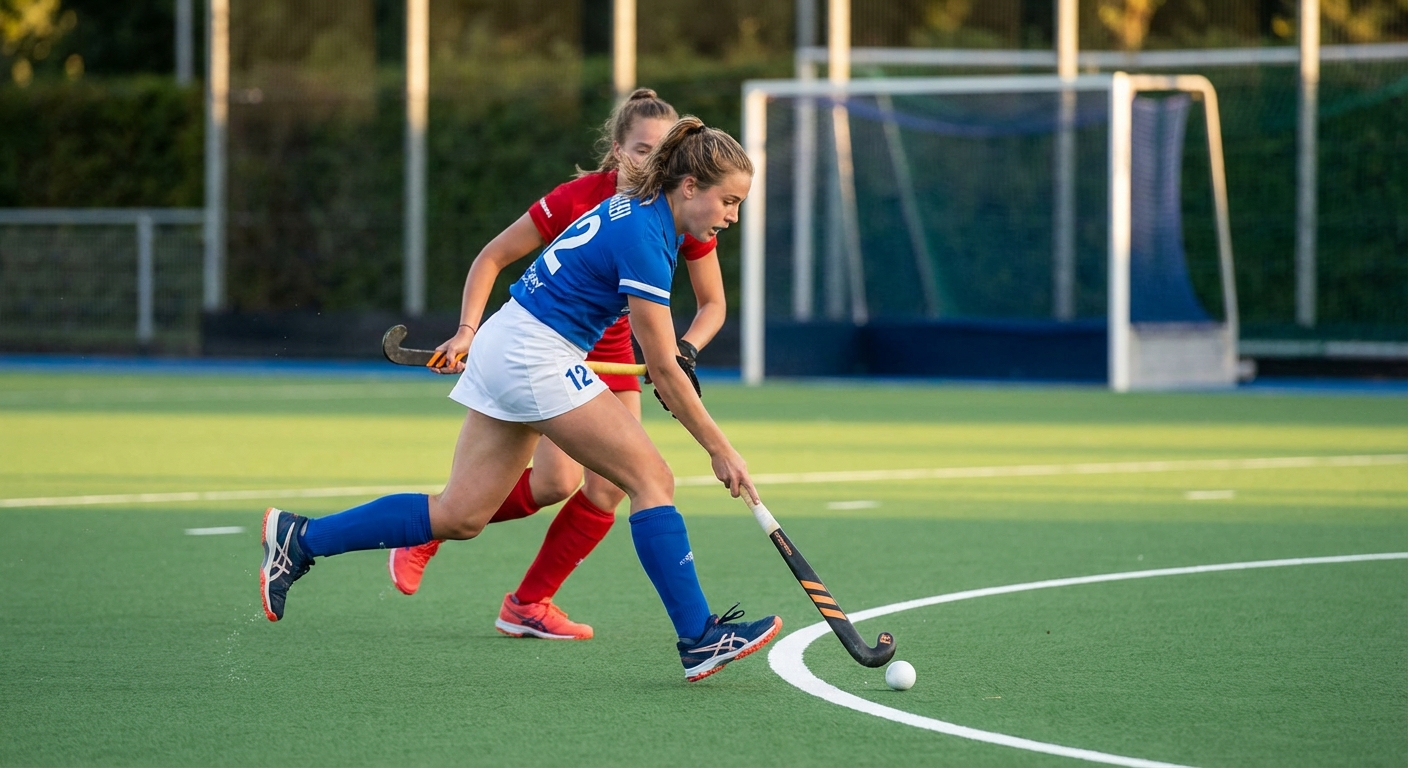
In hockey, you can only score from inside the circle. Getting the ball into the D with purpose and creating genuine shooting chances is the hardest part of attack. This article examines the different types of circle entry, why entry angle determines shot quality, and how to train your team to penetrate the most congested area on the pitch.
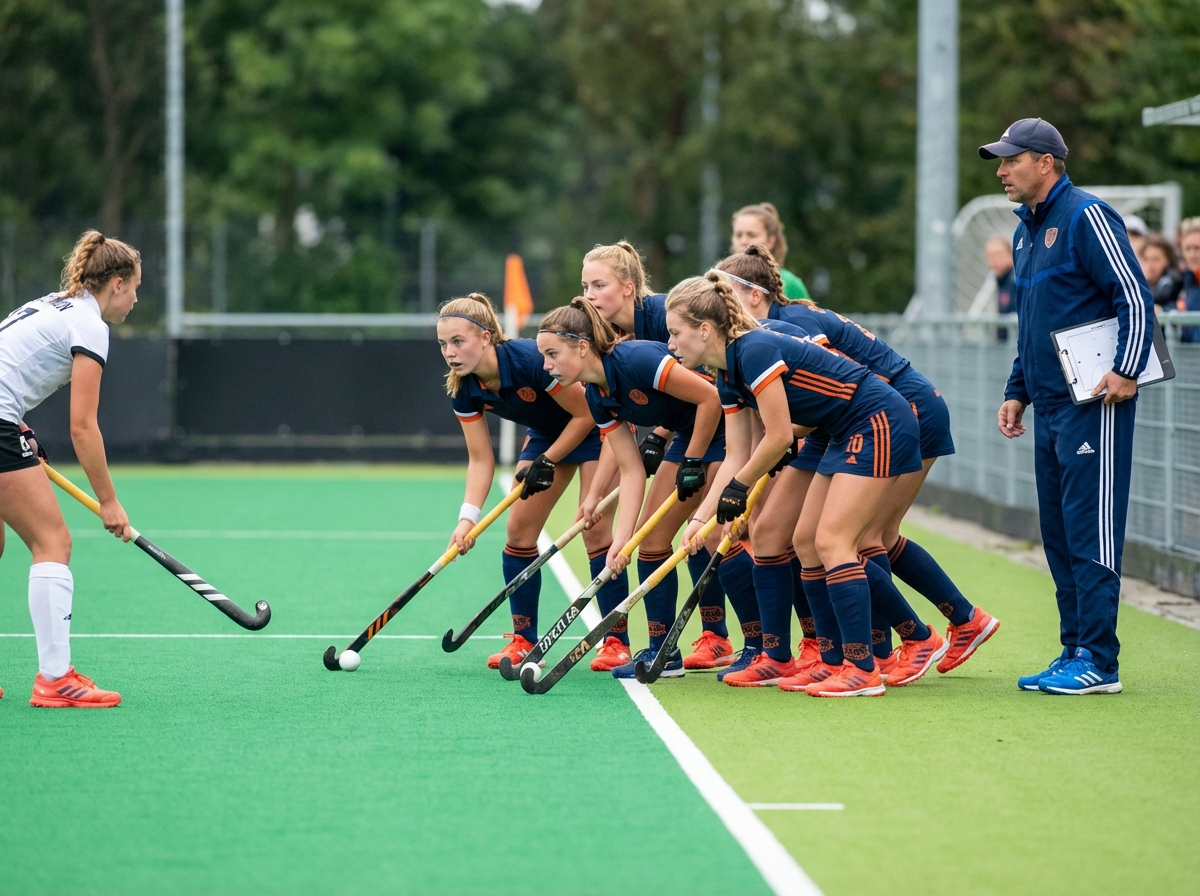
The best teams don't just press - they press at the right moment. Here's how to train your players to read the cues.