Equipment: 4 "animal enclosures" and 1 âbears' enclosureâ made of hoops, markers or cones. [5] balls in each animal enclosure. Procedure: [3-4] zookeepers (include GK if any). The rest are animals, who are trying to feed the bears, by taking food ("balls") from their own enclosure and leaving it in the bears' enclosure. Zookeepers can tackle, block and hit balls out of the playing area, but cannot hit food out of the bear's enclosure. Play for (4) mins. Count how much food the bears have. Then switch zookeepers. Play 3 rounds altogether. Question: Can you use passing to get around the zookeepers + into the bears' enclosure? Variations: Put the animal enclosures further away from the bears' More/fewer zookeepers Animals can take food from any enclosure, or assign pairs to a particular enclosure Under-8s: what animals are you? Lower abilities: have tackle immunity Zookeepers can only block tackle / can only block with their body
Note: Donât let zookeepers cheat by knocking balls out of the bears' enclosure. Focus: GK: closing down players, using quick footwork/manoeuvring to stop the go-forward and kick balls away. Outfielders: carrying the ball / moving the ball / stick skills / defensive skills
This practice has no coaching points
This practice has no progressions
in more ways than one
 sportplan_hockey


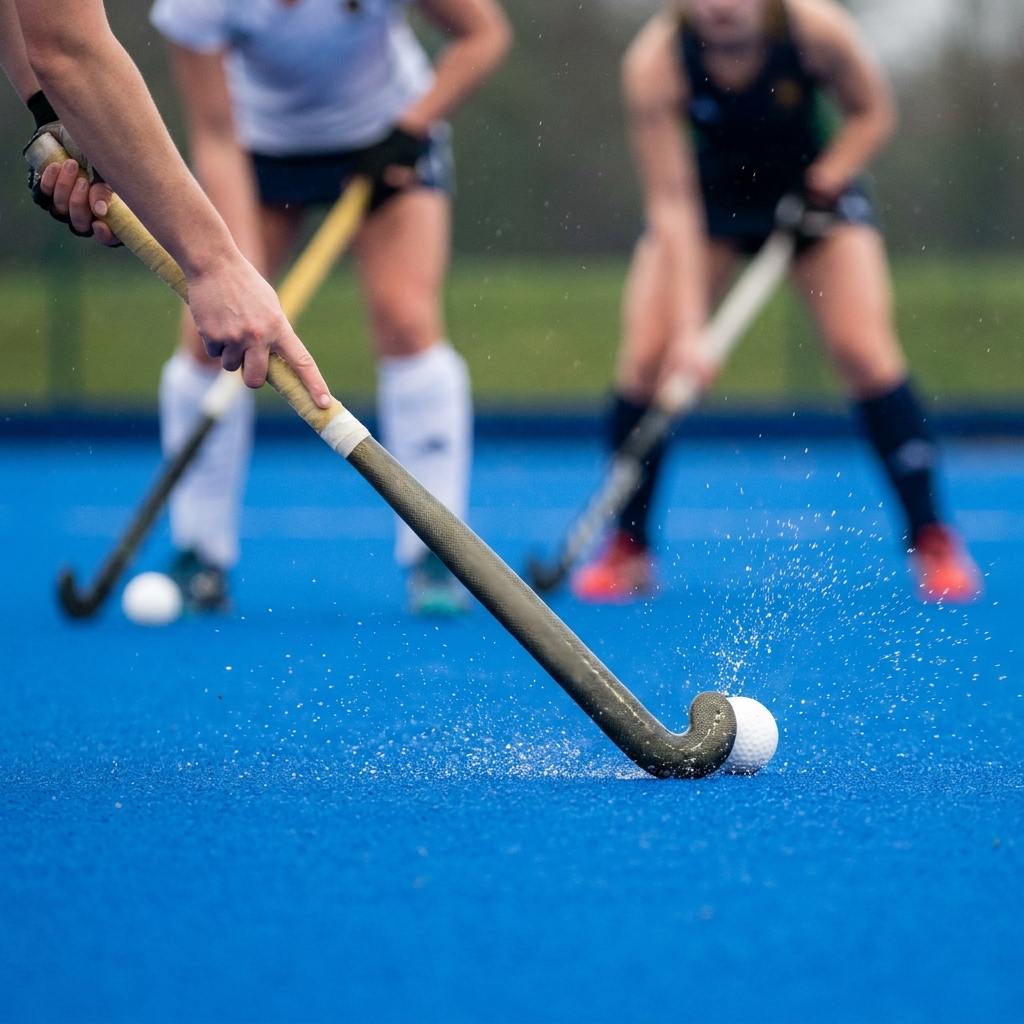
A few weeks into the league season, poor first touches are costing teams the ball. Coach body shape, scanning and receiving on the move to keep possession.
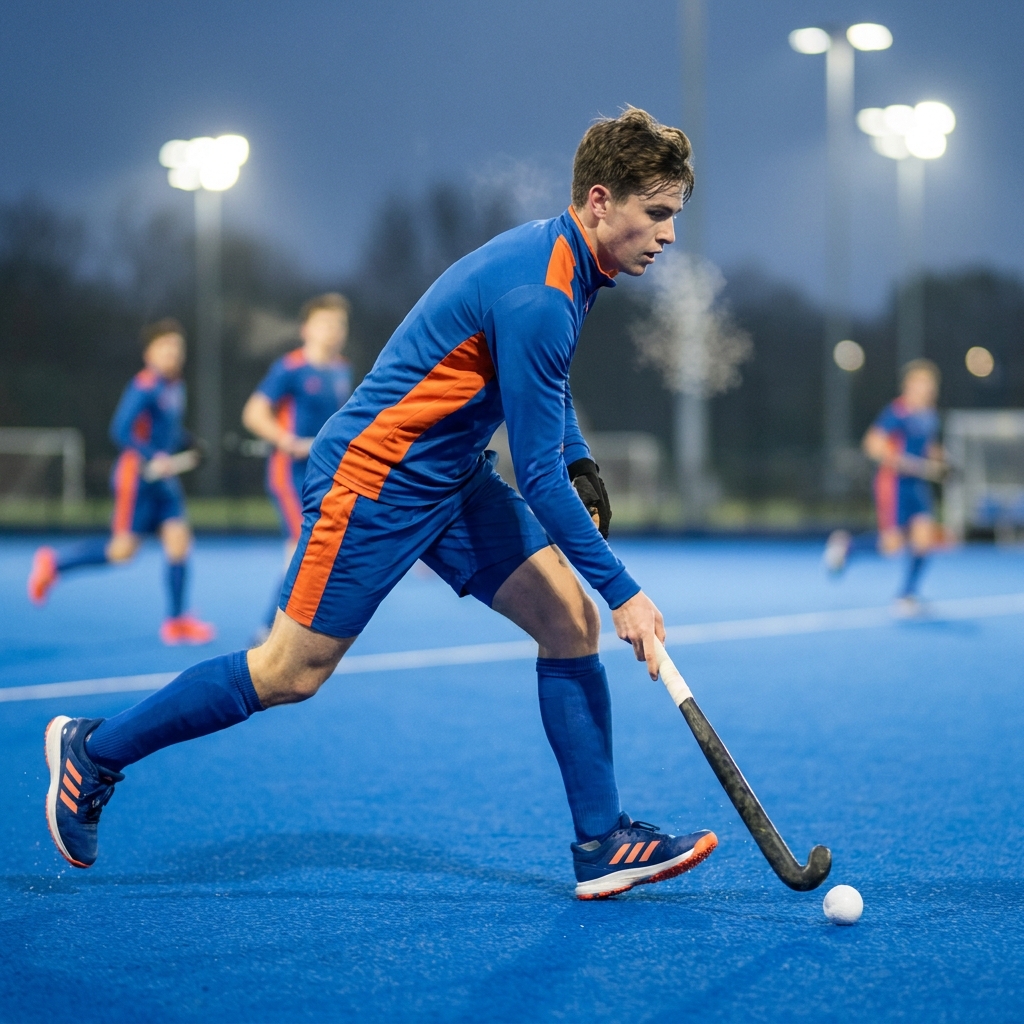
Pre-season fitness fades fast once the league starts. Build conditioning into ball work and use rolling subs well to keep your squad sharp all season.
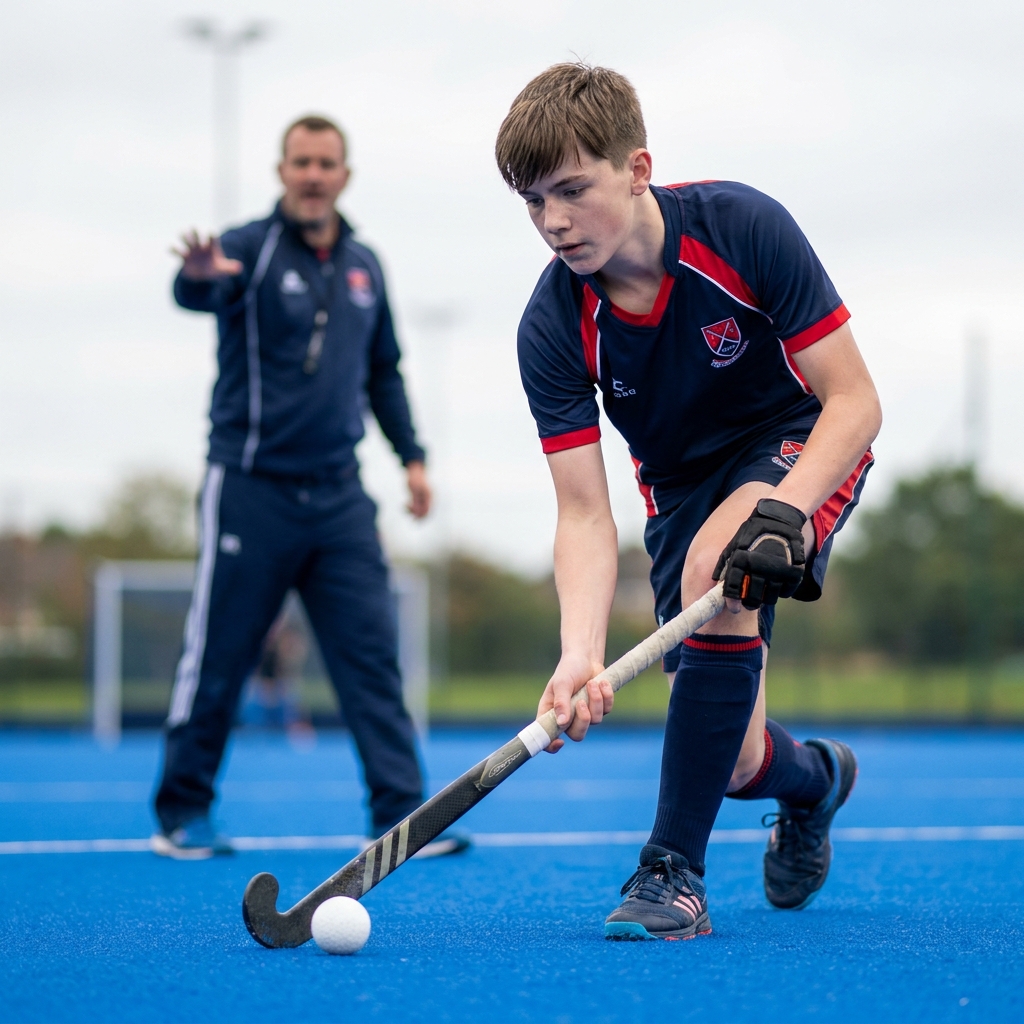
The first weeks of the season decide whether a junior or new player sticks with adult hockey. Here is how to keep them safe, give them a clear job and build their confidence from the very first bully.