Coach names a team and calls a number [1-5]. The corresponding number of players enter the pitch as attackers. Ditto for the other team. Their players are defenders. Coach throws on a random ball. Round ends when the attackers score or hit behind, or when the defenders clear to safety. New round, with the other team attacking. Rules: The first named team is always the attacking team. The other team defends. A player can't play in consecutive rounds unless their team doesn't have enough players. Variations: Player selection: Even sides: coach only calls out one number Overload/underload: coach calls different numbers per team Decision-making: give the defending team enough time to pick their players based on who the attackers are Defenders clear to safety by: carrying over the 23m line passing/carrying into the wide goals Gameplay: Intensity: [1min] timer per round
Notes: Focus: this game can be used to focus on various techniques or tactics. Environment: this game is better suited to warm weather, as players get recovery time and aren't constantly playing
This practice has no coaching points
This practice has no progressions

in more ways than one
 sportplan_hockey



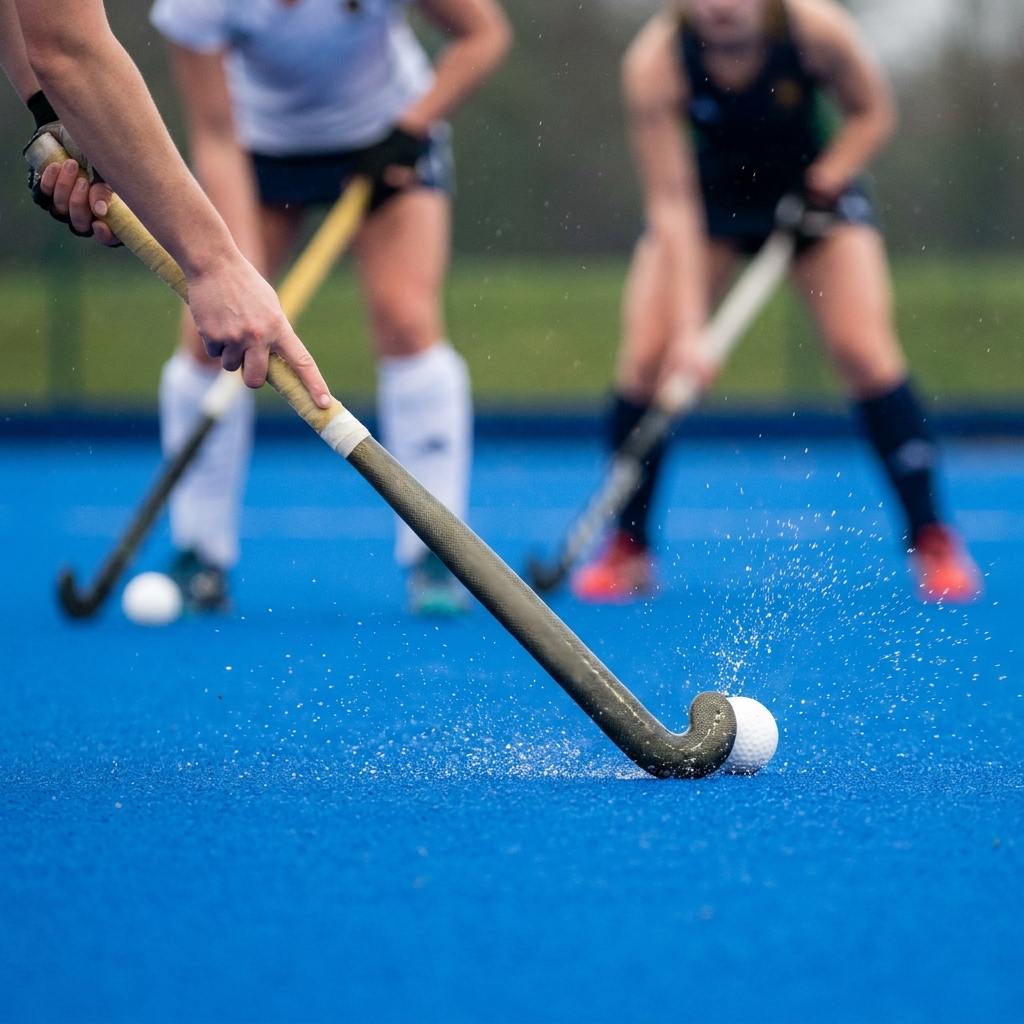
A few weeks into the league season, poor first touches are costing teams the ball. Coach body shape, scanning and receiving on the move to keep possession.

Pre-season fitness fades fast once the league starts. Build conditioning into ball work and use rolling subs well to keep your squad sharp all season.
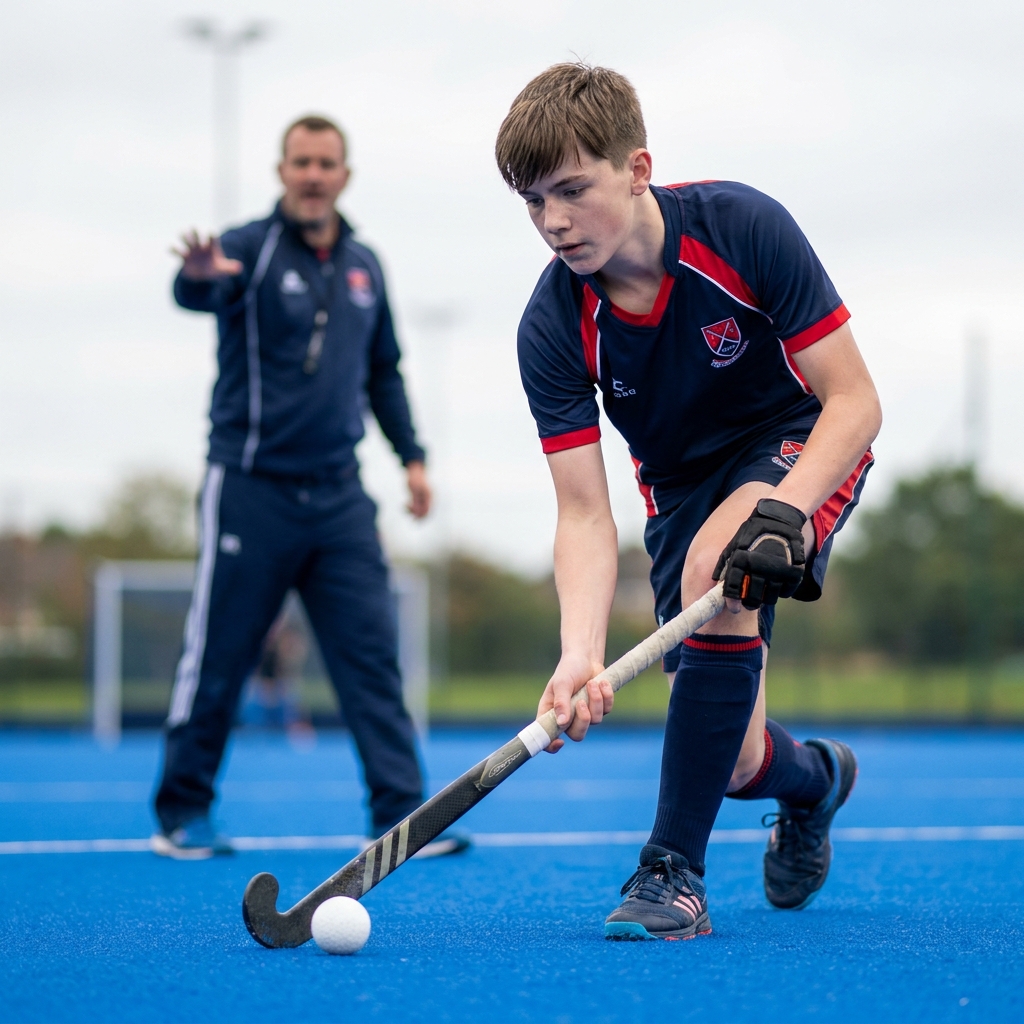
The first weeks of the season decide whether a junior or new player sticks with adult hockey. Here is how to keep them safe, give them a clear job and build their confidence from the very first bully.