Community | FOTMATION - 1-3-4-3 DIAMOND SHAPE MIDFIELD

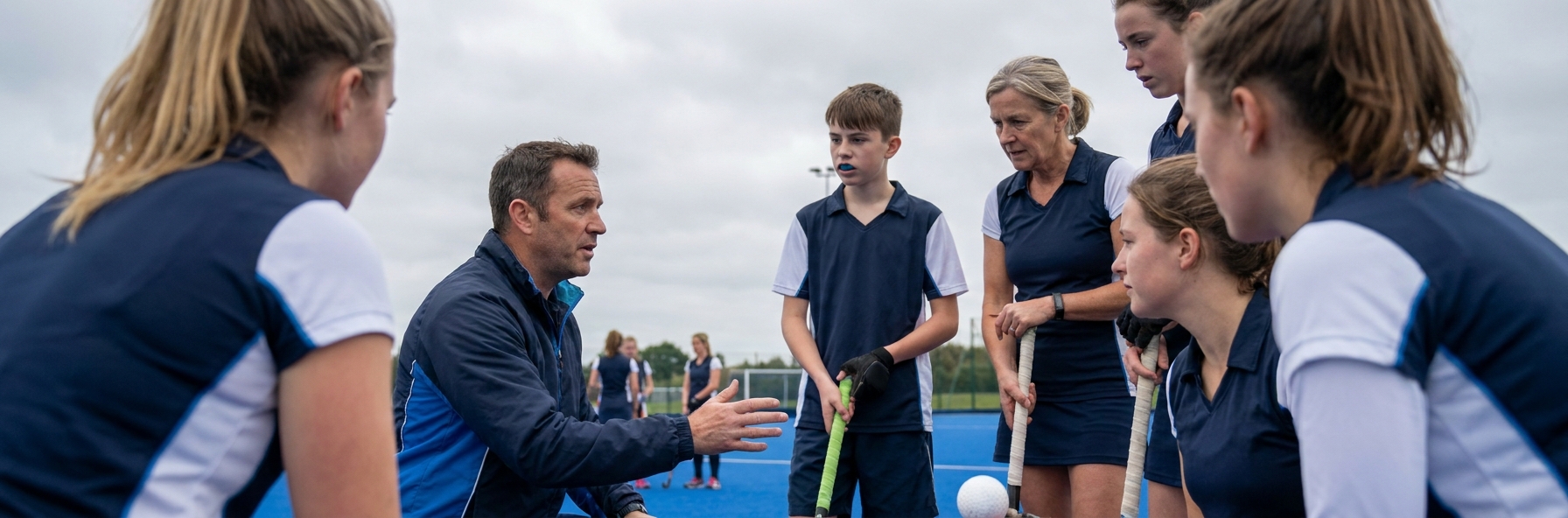
Connection-Based Coaching has emerged as a significant movement in hockey coaching. The core idea is simple but powerful: the relationship between coach and player is the foundation upon which all development is built. Without trust, without genuine connection, coaching effectiveness is limited.

This isn't soft philosophy. Research consistently shows that athletes who feel psychologically safe, who trust their coach, who believe their coach genuinely cares about them, perform better and develop faster.

What is Psychological Safety?

Psychological safety is the belief that you can take risks without being punished or humiliated. In a hockey context, it means players who feel safe to:

  • Try new skills without fear of criticism for failure
  • Ask questions without being made to feel stupid
  • Offer ideas without being dismissed
  • Make mistakes in matches without losing their place
  • Express concerns without negative consequences

When psychological safety exists, players are more creative, more willing to stretch themselves, and more honest about their development needs.

Building Connection

Know Your Players

Do you know what motivates each player? Their life outside hockey? Their hopes and concerns? Connection requires knowledge, and knowledge requires investment in getting to know people.

This doesn't mean becoming best friends. It means showing genuine interest, remembering what players tell you, and demonstrating that you see them as people, not just performers.

Listen More Than You Speak

Many coaches do too much telling. Connection-based coaching emphasises listening. When players speak, give them full attention. Ask follow-up questions. Reflect back what you've heard to show understanding.

Listening builds trust because it demonstrates respect. When players feel heard, they're more receptive to coaching.

Consistency and Reliability

Trust is built through consistent behaviour over time. If you say you'll do something, do it. If you have standards, apply them equally to everyone. Inconsistency destroys trust faster than almost anything else.

Appropriate Vulnerability

Coaches who admit mistakes, acknowledge what they don't know, and share their own development journey build stronger connections than those who project infallibility. Appropriate vulnerability models the openness you want from players.

Connection in Practice

Individual Check-Ins

Brief one-to-one conversations build connection over time. Not always about hockey - sometimes just "How are you?" delivered with genuine interest. These small interactions accumulate into strong relationships.

Personalised Feedback

Generic feedback shows you're not paying attention. Specific, personalised feedback shows you see the individual. "Good work" is less powerful than "I noticed you recovered really quickly after that turnover - that's the response we need."

Celebrating Progress

Connection-based coaches celebrate development, not just outcomes. The player who improves from poor to average has achieved as much as the player who was always excellent. Recognition should reflect effort and progress.

Managing Difficult Conversations

Strong connections make difficult conversations possible. When players trust you, they can hear hard truths. When they don't, the same truths are rejected as unfair criticism. Build the connection first; the honest feedback can follow.

Team-Level Application

Connection isn't just coach-to-player. Teams with strong player-to-player connections perform better. The coach's role includes creating conditions for these connections:

  • Team-building activities that build genuine relationships
  • Training structures that encourage collaboration
  • Addressing behaviours that damage team connection
  • Celebrating collective achievements

Common Barriers

"I don't have time": Connection doesn't require separate time - it's embedded in how you do everything. A two-minute conversation while setting up equipment still counts.

"It's soft": The evidence says otherwise. High-performance environments increasingly recognise that connection underpins performance, not detracts from it.

"Not all players want it": Different players need different levels and types of connection. Read what each individual needs and adjust accordingly.

Key Coaching Points

  • Psychological safety enables risk-taking and growth
  • Know your players as people, not just performers
  • Listen more, tell less
  • Be consistent and reliable
  • Personalise your interactions and feedback
  • Create conditions for player-to-player connection

Drills That Build Team Connection

VIEW ALL SMALL-SIDED GAMES

JOIN SPORTPLAN FOR FREE

  • search our library of 1000+ hockey drills
  • create your own professional coaching plans
  • or access our tried and tested plans
Muddasir Abbas Coach, Australia

DESCRIPTION

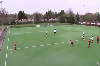
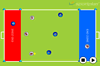
The 1-3-4-3 formation with a diamond-shaped midfield is a popular setup in field hockey, providing a strong balance between defense and attack. Here's a breakdown of each position: 1 - Goalkeeper: - Positioned in front of the goal to prevent the opposition from scoring. - Primary responsibilities include saving shots on goal, directing defenders, and distributing the ball to teammates. 3 x Defenders: - Positioned in front of the goalkeeper to protect the defensive zone and help fullback in double defence and transfer the ball position (Sweeper - Very important position) - Responsibilities include intercepting passes, tackling opposing players, and distributing the ball to midfielders or forwards. - The central defender typically plays a pivotal role in organizing the defense and initiating attacks. 4 x Midfielders (Diamond Shape): - Positioned between the defense and attack to support both areas of the field. - The diamond-shaped midfield typically consists of one defensive midfielder (the base of the diamond), two central midfielders, and one attacking midfielder (the tip of the diamond). - The defensive midfielder focuses on breaking up opposition attacks and distributing the ball to teammates. - The central midfielders contribute both defensively and offensively, linking defense with attack and providing passing options. - The attacking midfielder is responsible for creating scoring opportunities, linking up play between midfield and attack, and supporting the forwards. 3 x Forwards: - Positioned at the front line to create goal-scoring opportunities and put pressure on the opposition's defense. - Responsibilities include receiving passes, taking shots on goal, and creating space for teammates. - The forwards work in coordination with the midfielders to maintain possession and create attacking opportunities. Overall, this formation emphasizes control of the midfield, with the diamond shape providing options for quick passing and fluid movement between defense and attack. It requires players to be versatile, with midfielders capable of both defensive duties and contributing to the attack. Additionally, effective communication and teamwork are essential for success in this formation.

COACHING POINTS

Coaching points for the 1-3-4-3 diamond-shaped midfield formation in field hockey focus on specific tactics, player positioning, and overall strategy. Here are some key coaching points: 1. Positional Awareness: - Emphasize the importance of maintaining proper positioning according to the formation. Players need to understand their roles and responsibilities within the team structure. 2. Ball Retention: - Encourage players to prioritize possession and maintain control of the ball. This includes making accurate passes, using close control to evade opponents, and supporting teammates to keep possession. 3. Communication: - Stress the need for effective communication among players. This includes verbal communication to coordinate movements, signal intentions, and provide support, as well as non-verbal cues such as hand signals and body positioning. 4. Transition Play: - Teach players how to quickly transition between defense and attack. This involves recognizing moments to counter-attack when possession is won back and organizing defensively when the team loses the ball. 5. Defensive Shape: - Ensure that defensive players maintain a compact shape to deny space to the opposition. This includes staying close to each other to cover passing lanes, shifting as a unit to pressure the ball, and providing cover and support to teammates. 6. Pressing and Intercepting: - Teach players how to effectively press the opposition to regain possession. This involves coordinated pressure on the ball carrier, anticipation to intercept passes, and timing tackles to disrupt opposing attacks. 7. Midfield Movement: - Emphasize dynamic movement and interchangeability among midfielders. Players should rotate positions, create passing angles, and provide options for teammates to maintain fluidity in midfield play. 8. Creating Overloads: - Encourage players to create numerical advantages in key areas of the field, particularly in midfield. This can be achieved through smart positioning, off-the-ball movement, and quick passing to overload one side of the field or exploit gaps in the opposition's defense. 9. Attacking Patterns: - Work on specific attacking patterns and movements to break down the opposition's defense. This includes practicing combinations between midfielders and forwards, utilizing width and depth in attack, and exploiting space behind the defense with well-timed runs. 10. Set Pieces: - Develop set-piece routines for attacking opportunities such as penalty corners, free hits, and aerial balls. Players should be well-drilled in their roles and movements to execute set pieces effectively and capitalize on scoring chances. By focusing on these coaching points, players can effectively implement the 1-3-4-3 diamond-shaped midfield formation and maximize their performance on the field.

This practice has no coaching points

PROGRESSION

This practice has no progressions

READ MORE
READ LESS

JOIN SPORTPLAN FOR FREE

  • search our library of 1000+ Hockey drills
  • create your own professional coaching plans
  • or access our tried and tested plans

JOIN SPORTPLAN FOR FREE

  • search our library of 1000+ hockey drills
  • create your own professional coaching plans
  • or access our tried and tested plans
;

Sportplan App

Give it a try - it's better in the app

X
YOUR SESSION IS STARTING SOON... Join the worlds largest hockey coaching resource for 1000+ drills and pro tools to make coaching easy.
LET'S DO IT