Set up an agilty part for feetwork (ladder, cone, poles) to move thourgh. Keep it slow but with high frequency! Then let the players accelerate onto a ball passed to them and run a certain cone path for sidesteps or swerves. Set up pathes for swerves and sidesteps for left and right, best in different colours, so you can call a colour to run through. Make sure that after their step or swerve, they try to accellarate straight into the space again. Let them practise the drill with both hands on the ball, tucked away under the outside arm and swooping from both hands to under arm carry. Progression - Call the colour while they catch the pass so they have less time to react - add a defender indicating a weak shoulder or flat feet -remove the pathes and let them be creative against different kinds off defenders(static, flatfooted, drifting, moving forward (slowly, fast, balanced and over commited)
Fast feet and short steps, high frequency in agilty part accellarate into the space Head up, Eyes on ball when recieving Stay square with the upper body when attacking the defender Control your speed with short and wider steps, then accellarate past defender Keep the ball away from contact
This practice has no coaching points
This practice has no progressions

in more ways than one
 sportplan_rugby
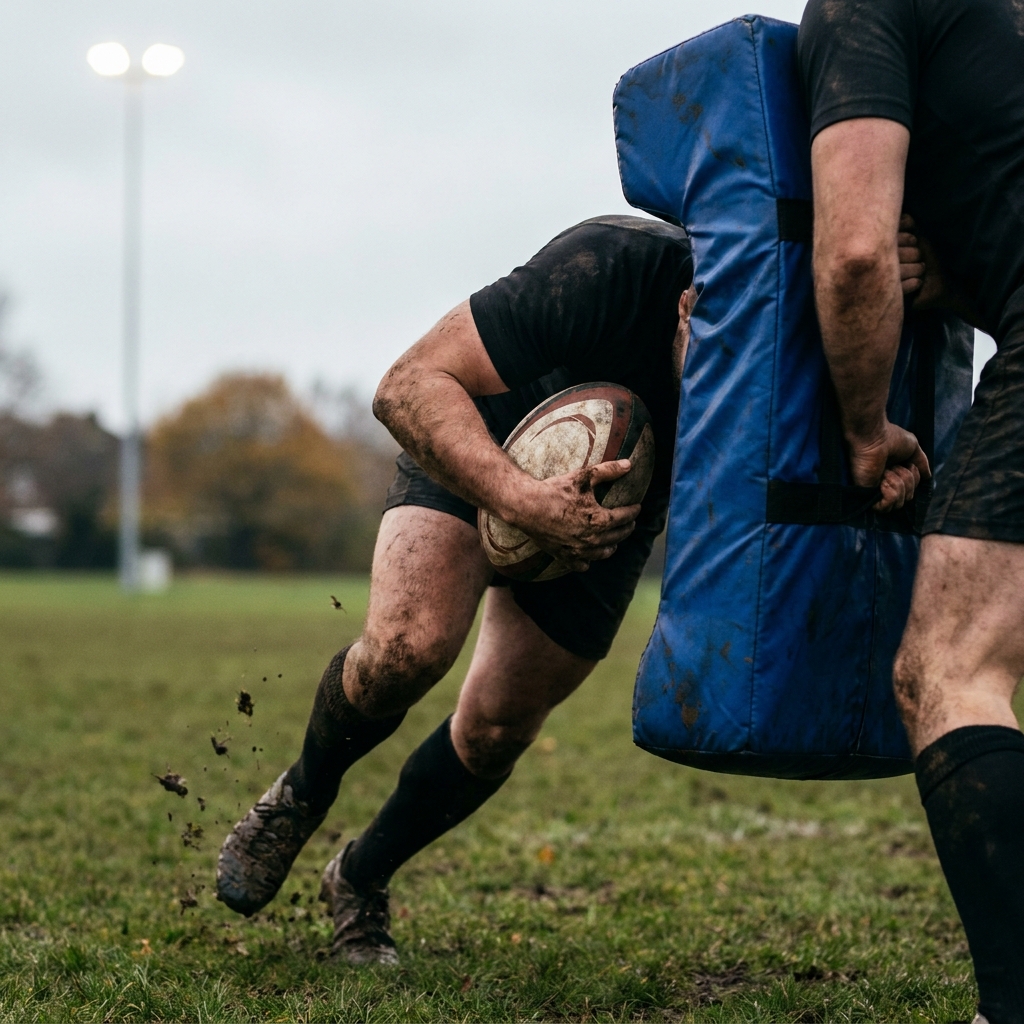
Tacklers are aiming lower, so carriers who dip late put heads at risk. Teach footwork, a strong early body height and leg drive to win the collision safely.
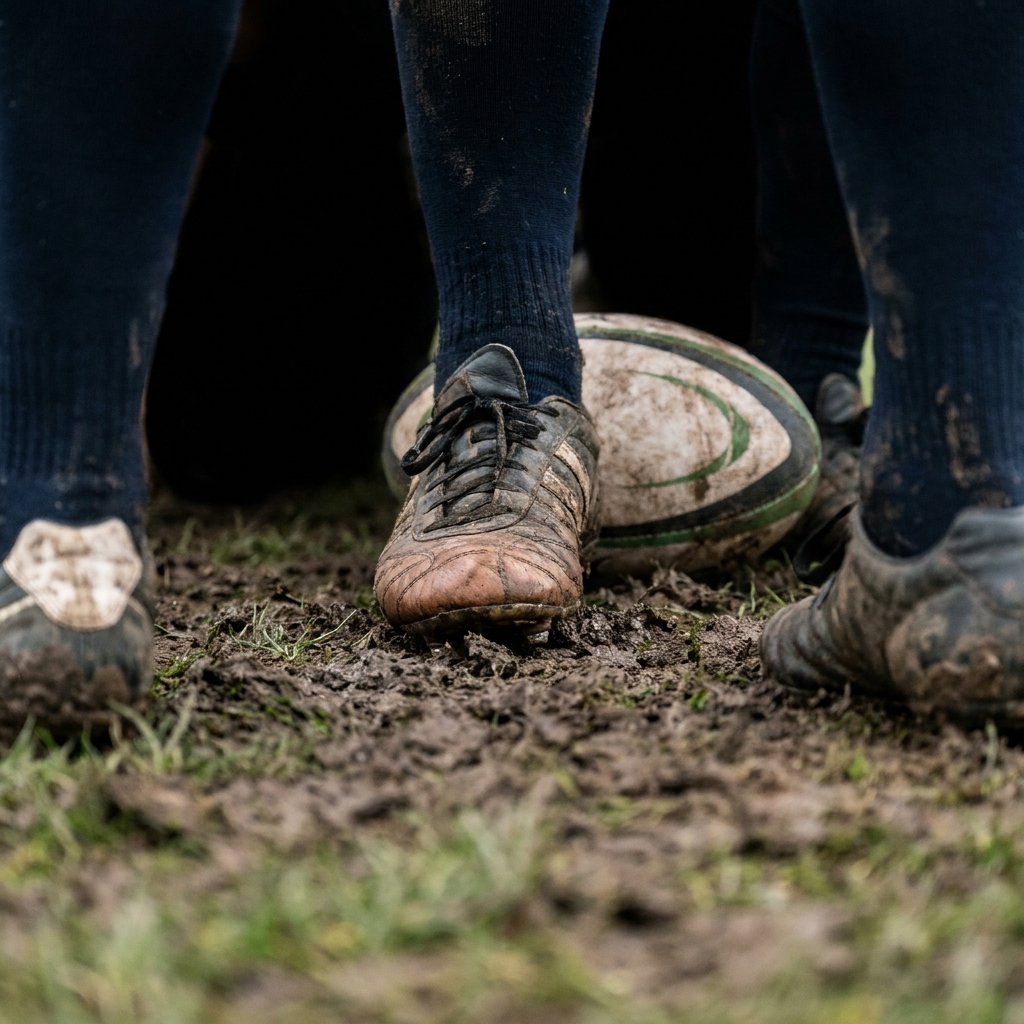
The hooker's brake foot moved from trial into full law in July 2026. Here is how to coach it so your front row stays stable, legal and safe.
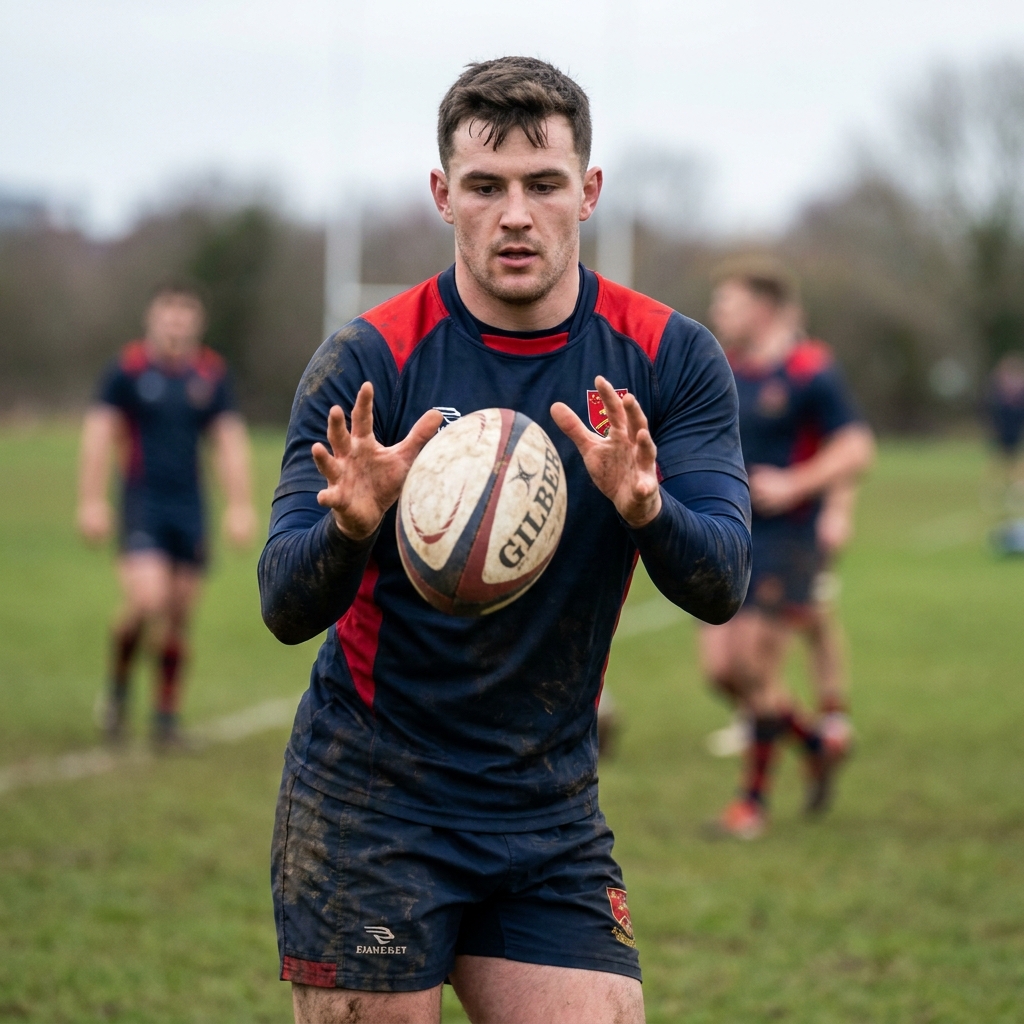
Your players can pass beautifully in a warm-up grid. Then a defender closes, their lungs are burning, and the ball goes to ground. Here is how to build catch-pass skills that hold up when it matters.