SKILL FOCUS: Teamwork, passing and agility. EQUIPMENT: Cones as markers & a rugby ball. WHAT TO DO: Place cones as markers 30m x 30m. Divide the learners into teams of 5 â 6 learners. The game starts by throwing the ball in the air, while both team contest for the ball. When a learner has the ball they may not move (like in netball). The need to pass the ball to each other, while the other team try to intercepts the ball. The learners may grabber the ball into the goal post when they are 5m in reach of the goal (rugby). No goalies are aloud. One point for each grabber scored.
Appoint the learners on the grabblers. Appoint on passing skills to other learners. Motivate communication.
This practice has no coaching points
This practice has no progressions
in more ways than one
 sportplan_rugby
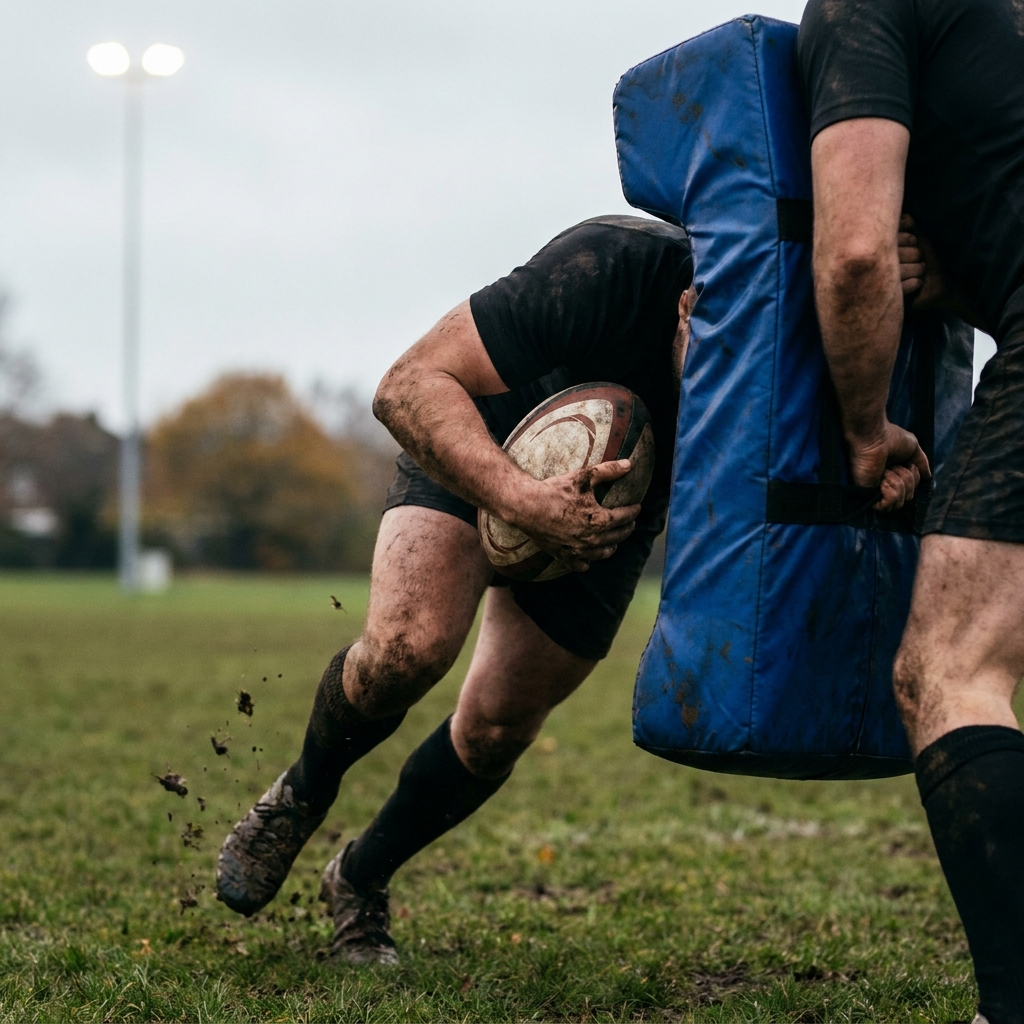
Tacklers are aiming lower, so carriers who dip late put heads at risk. Teach footwork, a strong early body height and leg drive to win the collision safely.
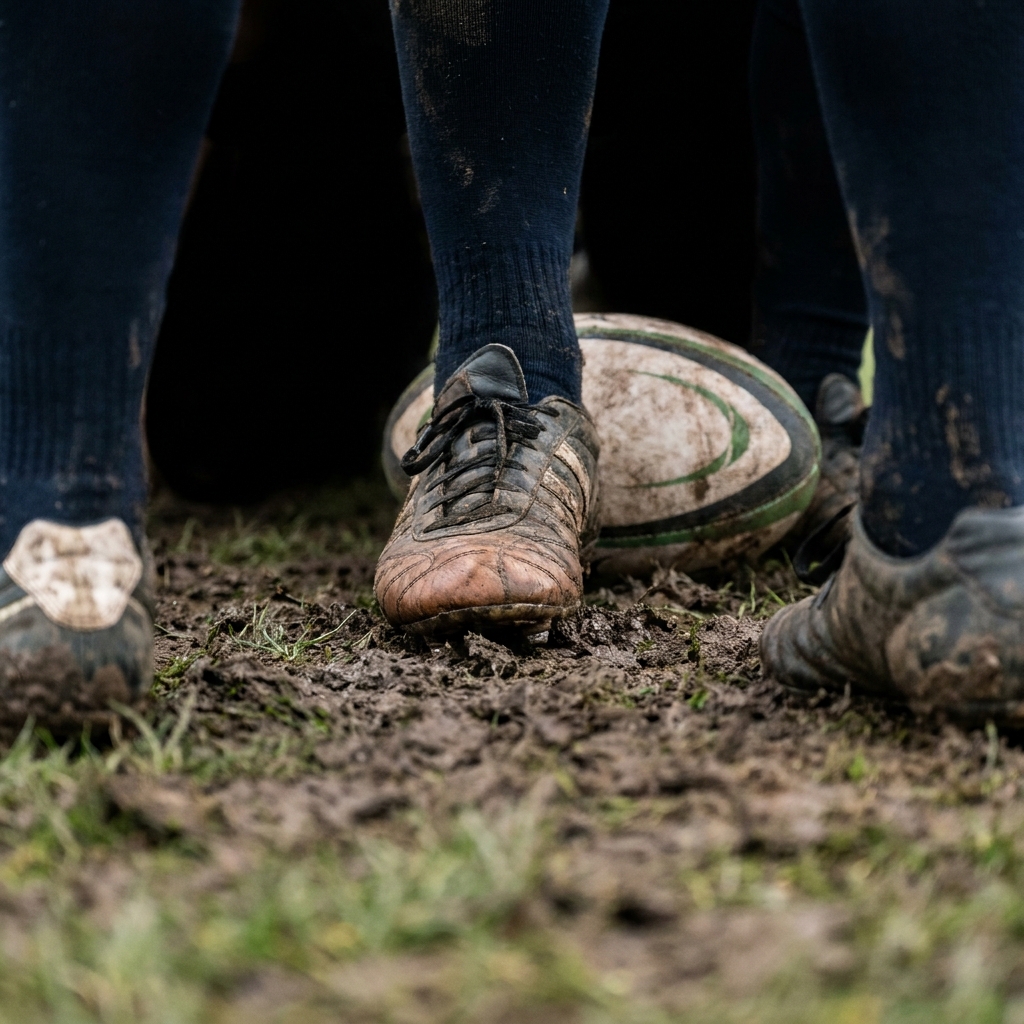
The hooker's brake foot moved from trial into full law in July 2026. Here is how to coach it so your front row stays stable, legal and safe.

Your players can pass beautifully in a warm-up grid. Then a defender closes, their lungs are burning, and the ball goes to ground. Here is how to build catch-pass skills that hold up when it matters.