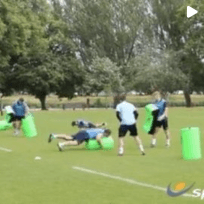
1 Player starts with the ball facing a line of 3 or 4 players. The line of players hold on to the waist of the player in front. On coaches whistle player with ball tries to touch the player at the back of the line (snake's tail). Snake tries to move around to avoid the player with the ball catching the snakes tail. If the player with ball catches the player at the back they get a point. If snake evades the player with the ball they get a point. Time limit of 20 - 30 seconds. Repeat twice then swap player with the ball.
Look for foot work from the player with the ball. Up on toes and quick changes of direction to get to the snakes tail. Encourage communication within the snake - move left, spin right. Praise effort even if player doesn't catch the snake.
This practice has no coaching points
This practice has no progressions

in more ways than one
 sportplan_rugby
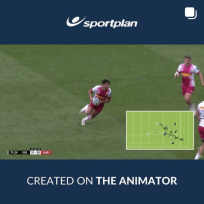


Tacklers are aiming lower, so carriers who dip late put heads at risk. Teach footwork, a strong early body height and leg drive to win the collision safely.
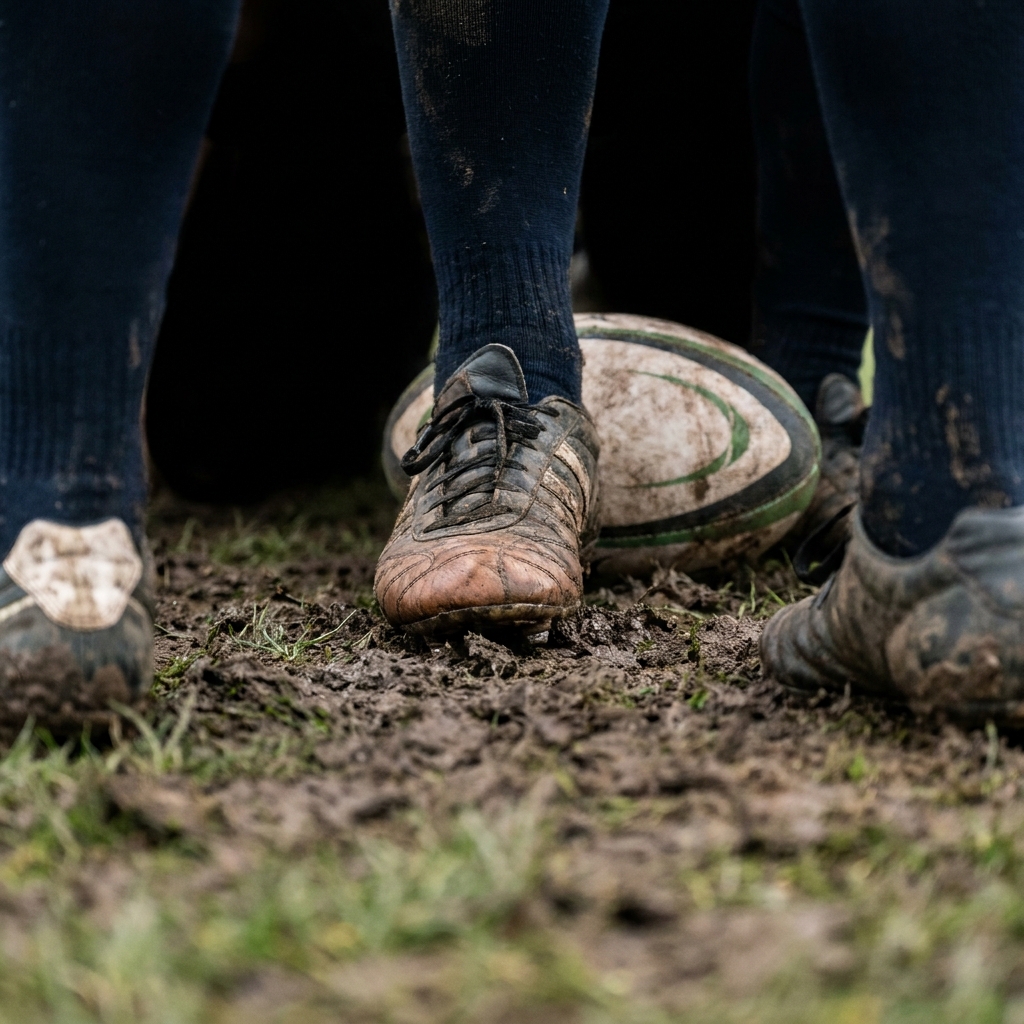
The hooker's brake foot moved from trial into full law in July 2026. Here is how to coach it so your front row stays stable, legal and safe.

Your players can pass beautifully in a warm-up grid. Then a defender closes, their lungs are burning, and the ball goes to ground. Here is how to build catch-pass skills that hold up when it matters.