Player passes left, follows his pass and receives it back, passing left again. After his second pass, he joins the group immediately opposite to the cone he was standing on.
broken lines depict pass. Solid curved lines depict players run and relocation. Change direction to warm up both sides of the pass.
This practice has no coaching points
This practice has no progressions

in more ways than one
 sportplan_rugby

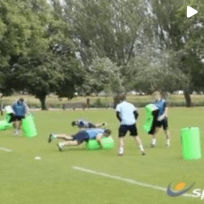

Greasy balls and soft pitches turn tidy handling into a lottery. Here is how to coach your players to keep hold of the ball when November conditions bite.
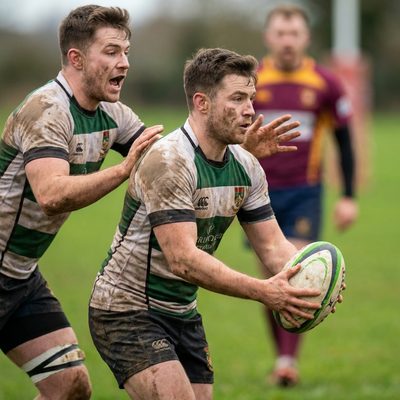
Most line breaks are made by support runners, not ball carriers. Teach the angles, depth and timing that get them there.
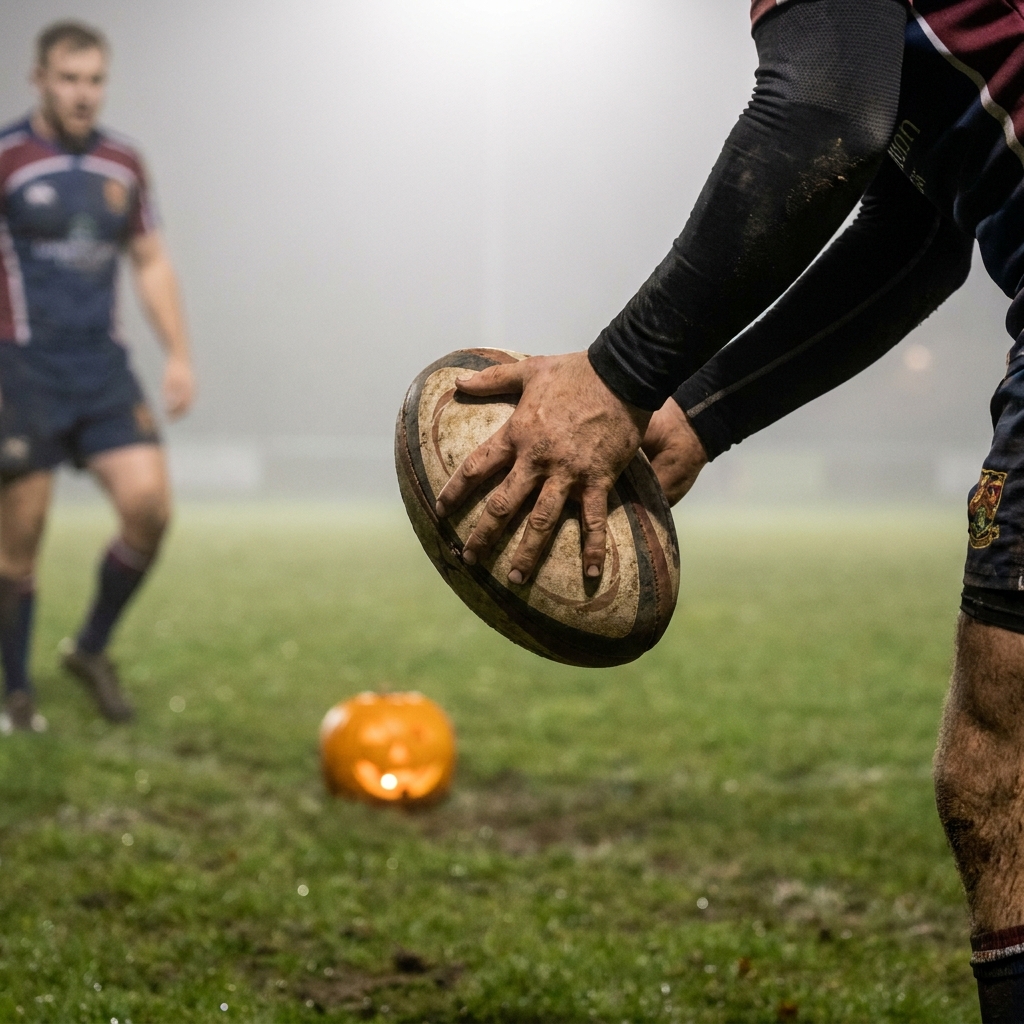
The isolated ball carrier is rugby's spookiest turnover. Here is the five-step fix, plus drills that rebuild support lines fast.