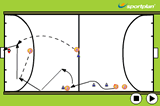
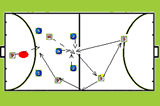
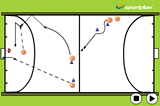
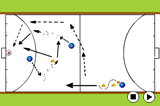
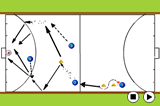
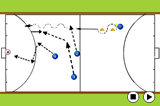
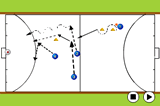
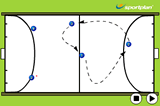
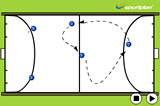
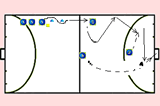
This category focuses on skills, tactics, and set pieces specific to indoor hockey.These drills help players adapt their game to the faster, tighter indoor format.Perfect for players transitioning to indoor hockey or preparing for indoor season.Ideal for coaches preparing teams for indoor competition with format-specific training.
This is the indoor variant of traditional outdoor field hockey. It began as a pastime for players during the off-season. The key difference between field hockey and indoor hockey is that in the indoor version of the game a board runs around the perimeter of the pitch can be used by the player to rebound the ball off and that the ball can only be pushed with the stick (no hitting or back-left is allowed when playing the ball).
The indoor hockey drills and videos below will help your players improve all aspects of players' indoor game from attacking to defending. They also cover effective penalty corners strategies and advanced dribbling and passing techniques and patterns for speedily moving down the pitch.

in more ways than one
 sportplan_hockey

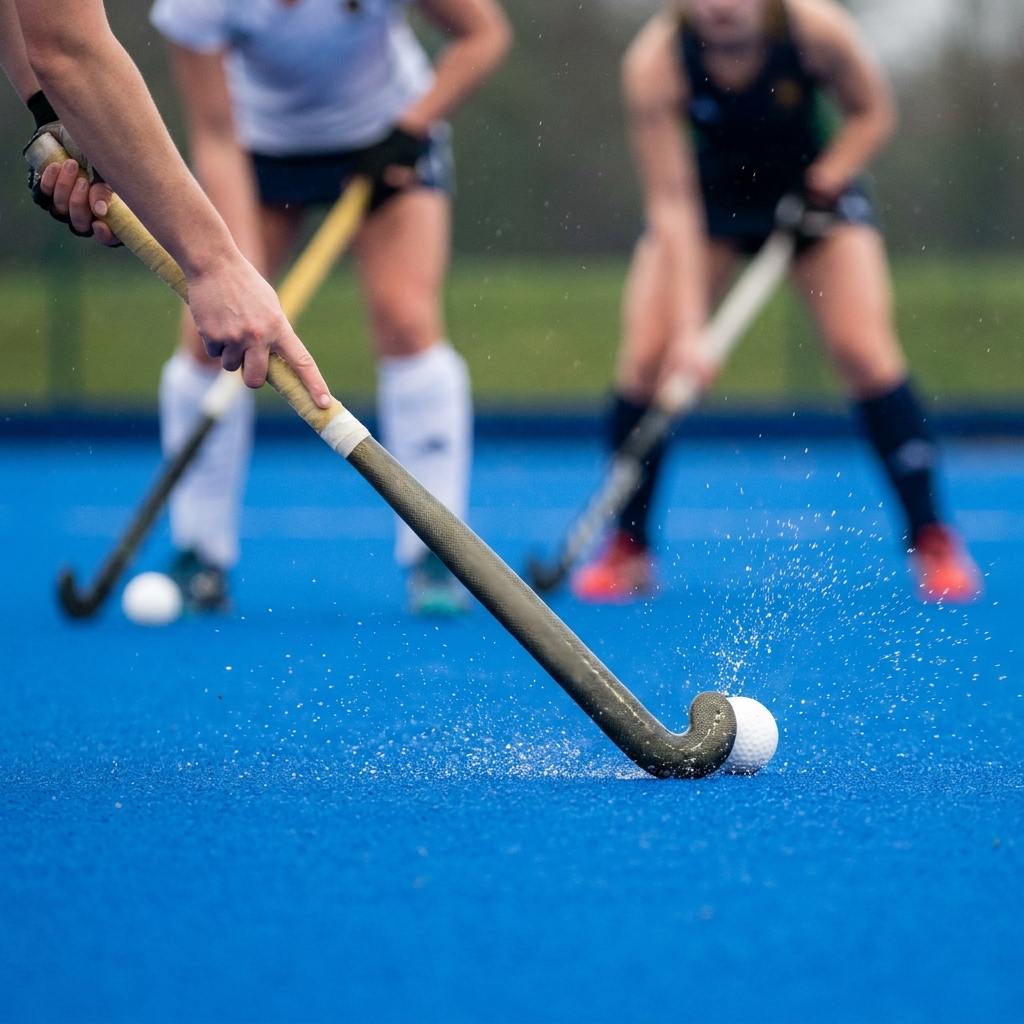
A few weeks into the league season, poor first touches are costing teams the ball. Coach body shape, scanning and receiving on the move to keep possession.

Pre-season fitness fades fast once the league starts. Build conditioning into ball work and use rolling subs well to keep your squad sharp all season.
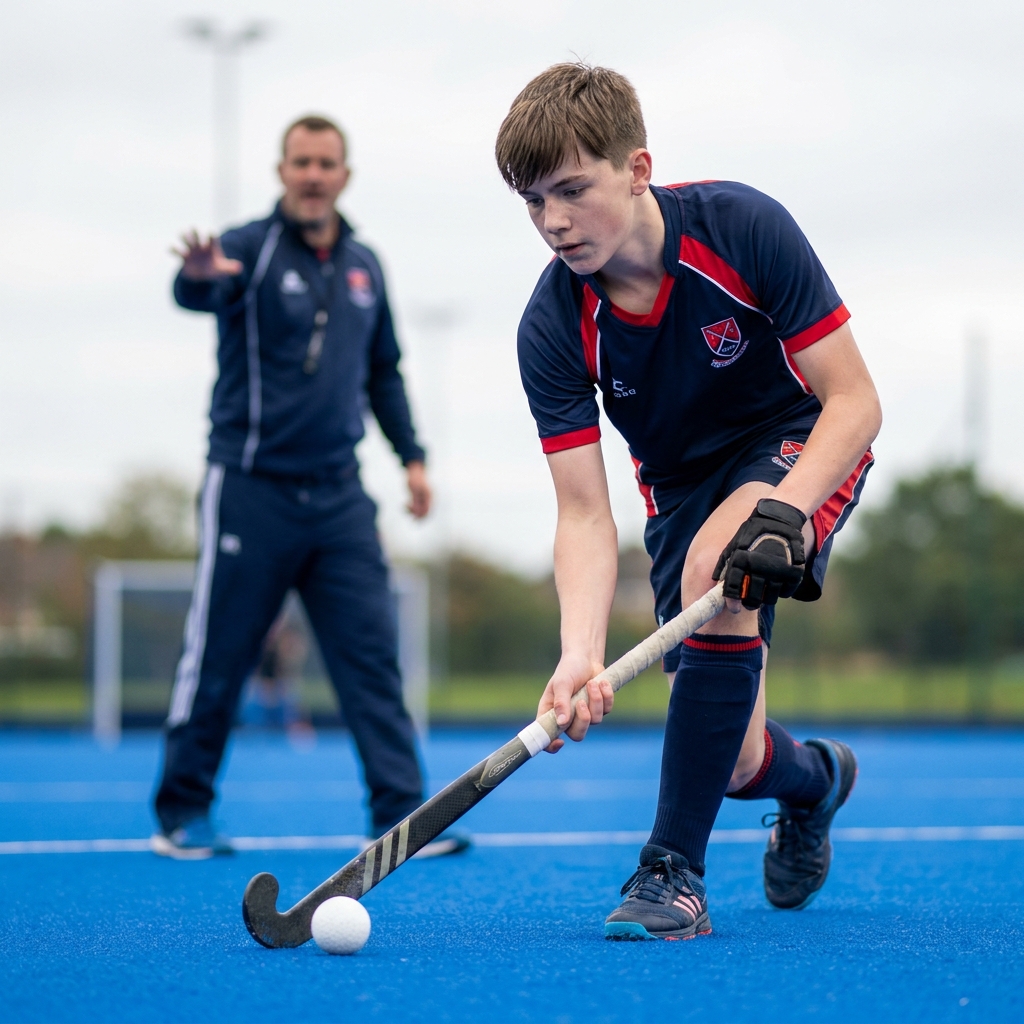
The first weeks of the season decide whether a junior or new player sticks with adult hockey. Here is how to keep them safe, give them a clear job and build their confidence from the very first bully.