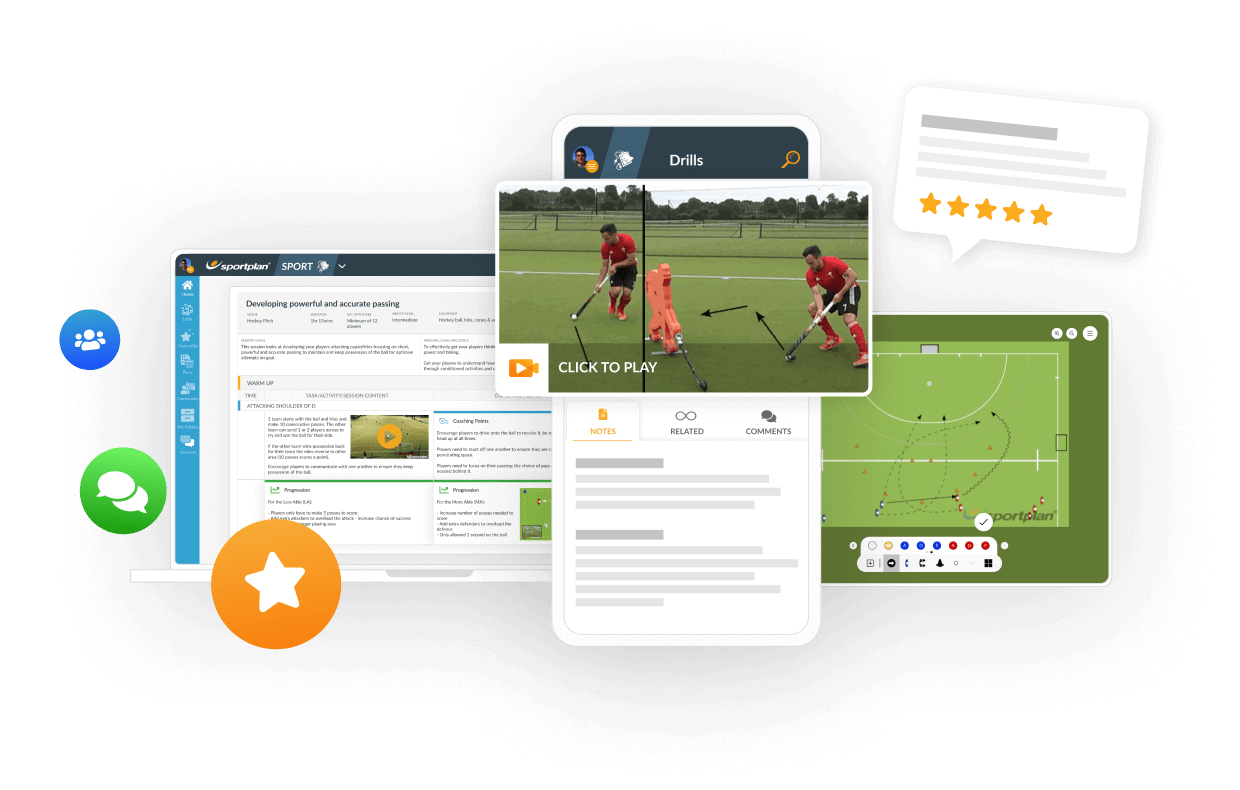
Practice: Get into pairs, with one ball. Each partner runs to a cone close to each other. The player with the ball passes to their partner, then runs to a different cone before receiving a pass back. Keep passing and moving to different cones: how many can you go to in 1 minute? Game: Coach calls âyellow, blue, greenâ (or âbanana, sky, appleâ) etc. Pairs wall-pass around the corresponding cones and return to the start line. Who can be first? Variations/progressions: Shooting element: after making the last wall-pass, shoot the ball into the corresponding coloured gate or goal. Stealing element: add in 1-2 blockers or stealers.
This activity is aimed at U10 players. It introduces the wall-pass as a tactical skill for eliminating defenders. Feedback/Questions: What is a wall pass (one-two pass)? In what situation might we play a wall pass? Demonstrate: 1) a wall-pass in front of a defender and a wall-pass that eliminates the defender. Which is better and why? What does the passer need to do after passing? (Move behind the defender/cone) 2) a wall-pass where the team-mates are standing next to each other, as opposed to [5-6]m apart. Which is better and why?
This practice has no coaching points
This practice has no progressions
in more ways than one
 sportplan_hockey

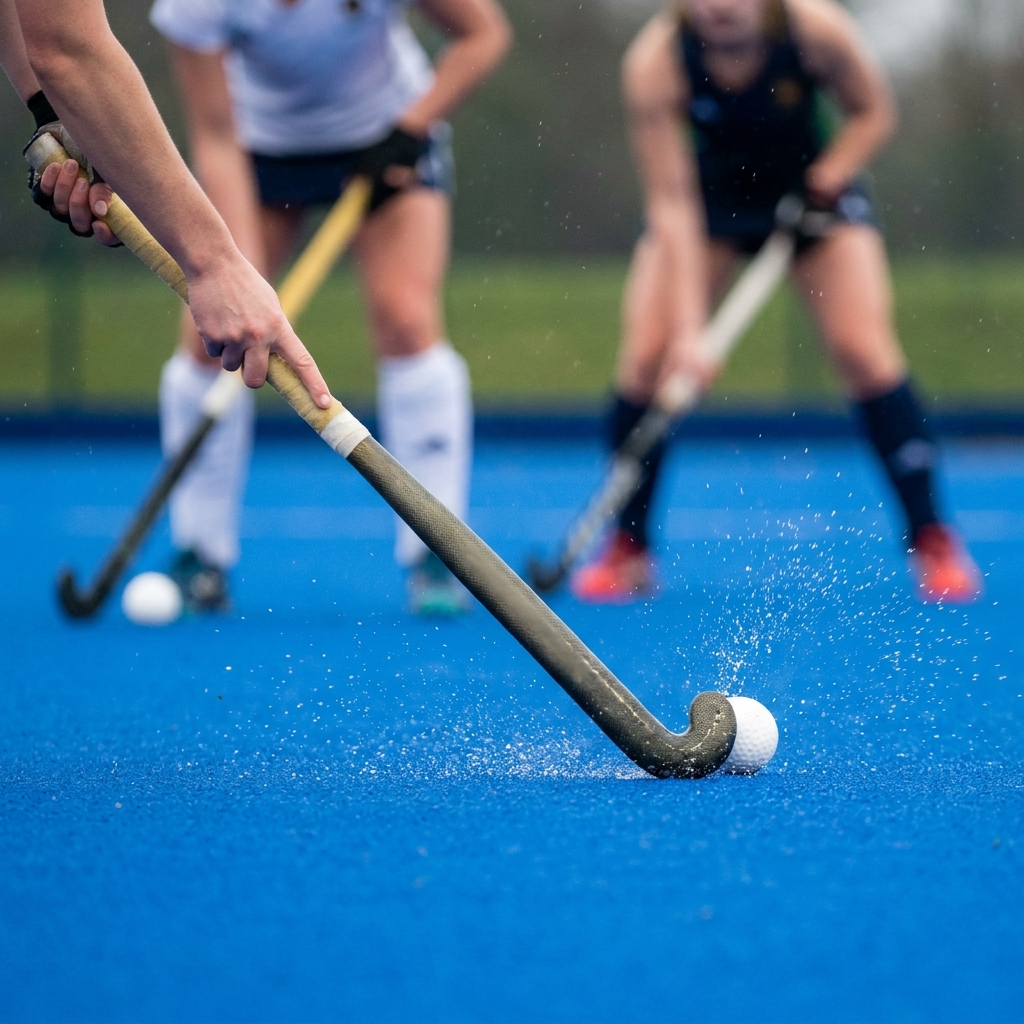
A few weeks into the league season, poor first touches are costing teams the ball. Coach body shape, scanning and receiving on the move to keep possession.

Pre-season fitness fades fast once the league starts. Build conditioning into ball work and use rolling subs well to keep your squad sharp all season.
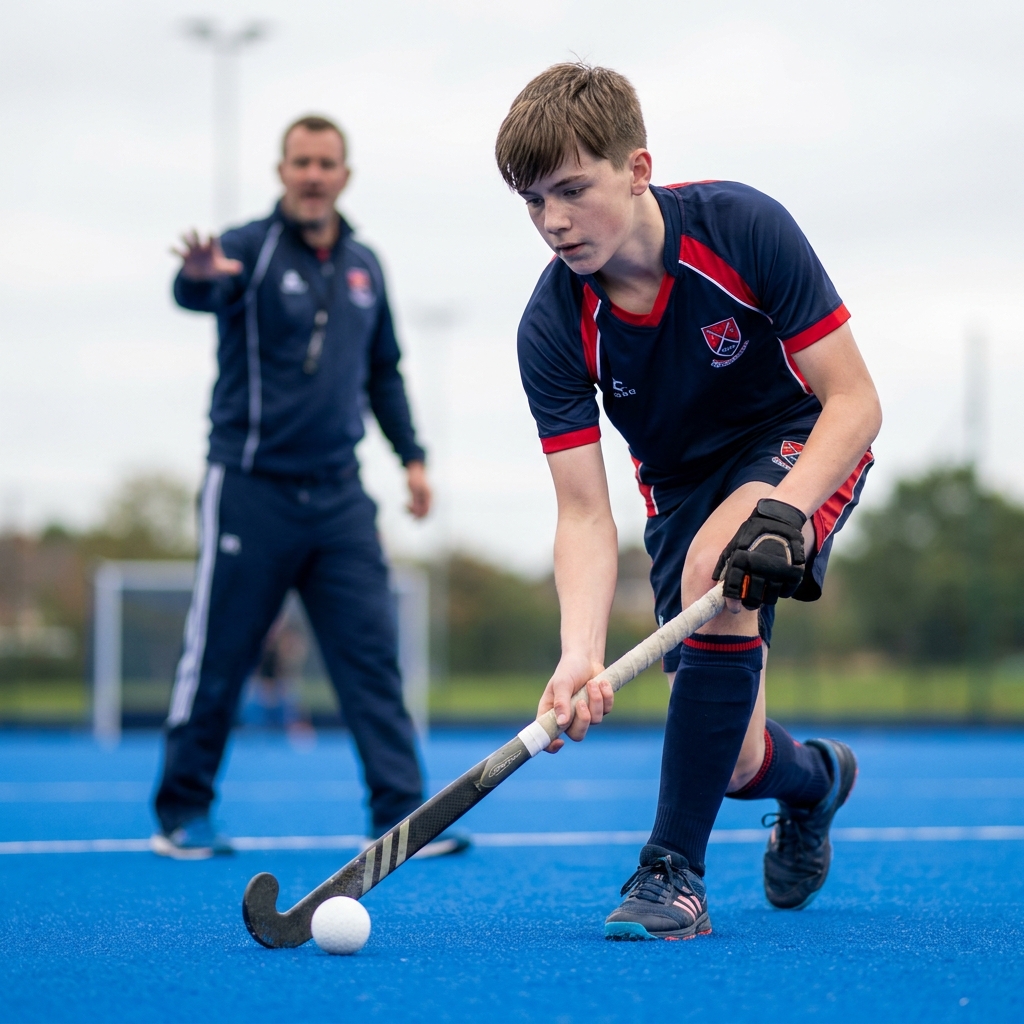
The first weeks of the season decide whether a junior or new player sticks with adult hockey. Here is how to keep them safe, give them a clear job and build their confidence from the very first bully.