Leading to become available when marked by a defender. Players must practice different types of leads: 1. Leading towards the ball and leaving the defnder behind. 2. Leading sideways into space away from the defender. 3. Leading aheda into space for the player with the ball to place the ball in to for you to run onto (beating the marking defender at the same time). This can only be done if lots os space is available.
Connectiong between the player leading and player with the ball is extremely important. If using eye contact, hand signals, different body language like a head nod. The player with the ball ahs to understand where the attacker is going to lead to before she can pas sthe ball. Pacing of the ball is very important. If a player is leading into an open space the player passing the ball has to time and pace th epass correctly to make sure that the attacker will get there in time.
This practice has no coaching points
This practice has no progressions

in more ways than one
 sportplan_hockey




Rain, standing water and a slick pitch change everything. Here is how to adjust your technique and game plan for wet winter hockey.
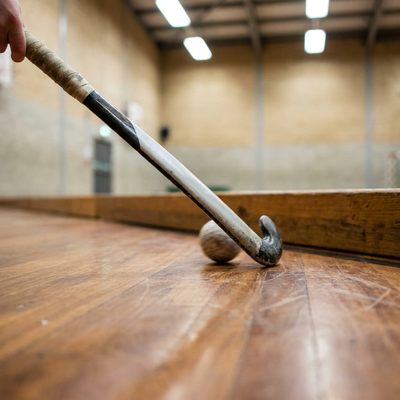
As clubs start their indoor fixtures, outdoor habits get punished fast. Here is how to retrain the skills that actually change indoors.

Two defenders chase the ball, nobody covers the runner, and a soft goal goes in. Here is the five-step treat for the mix-up haunting hockey defences this October.