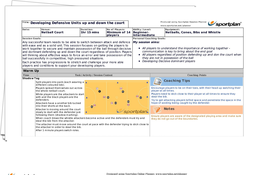
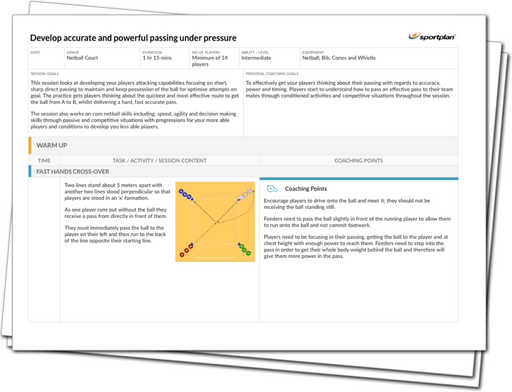
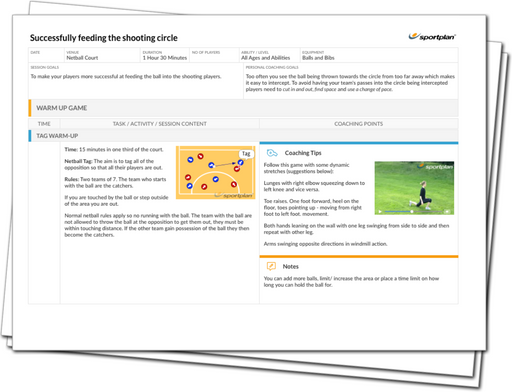
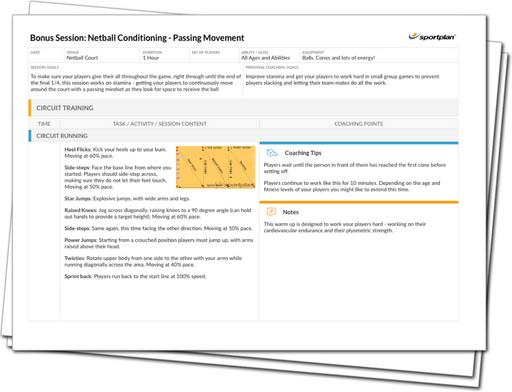
The transition from attack to defence can be a make or break moment for your side - being un-structured and out of position will leave you wide open for a counter-attack. This session develops your teams defensive structure by working in small units up and down the court.
What?s in the session?
Begin with a shadow tag warm up to get defenders comfortable with recognising their positioning and keeping an eye on the opposition.
The skill development part of the session works on the differences between man-to-man and zonal defences, highlight how players must work together to cover eachother in either set up. The common theme throughout the skill development phase is the communication between the defenders to maintain shape and discipline.
The final conditioned game highlights the importance of getting back into position and tight at turnover. The practice encourages the defensive unit to react quickly after losing the ball to begin limiting the attackers passing options.
With a competitive element as well as a technical focus on positioning, communication and general understanding of the systems, this session will soon see your team be much more difficult to break down.
in more ways than one
 sportplan_netball


in more ways than one
sportplan_netball
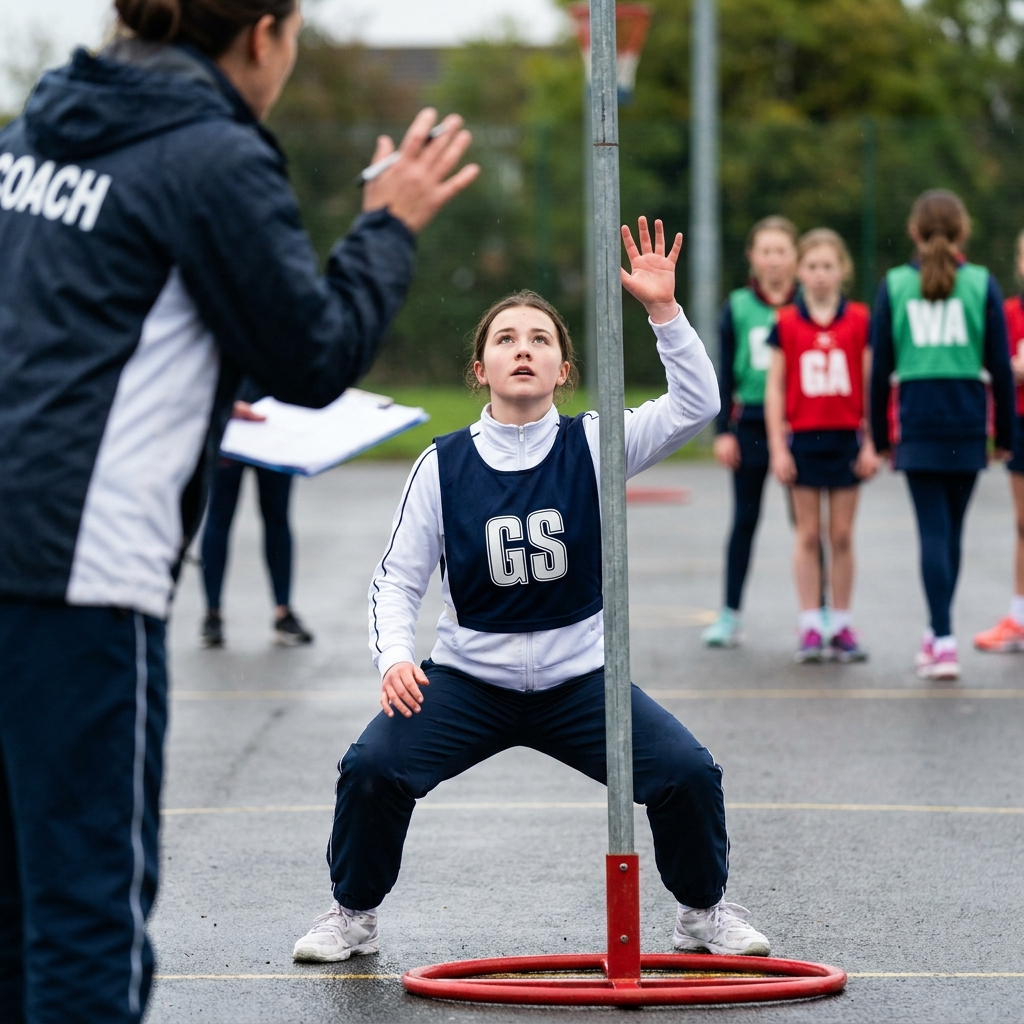
A shooter who can hold a strong position under the post is worth more than one who runs all over the circle. Here is how to coach body shape, a legal hold and a well-timed release, and how feeders make the most of it.
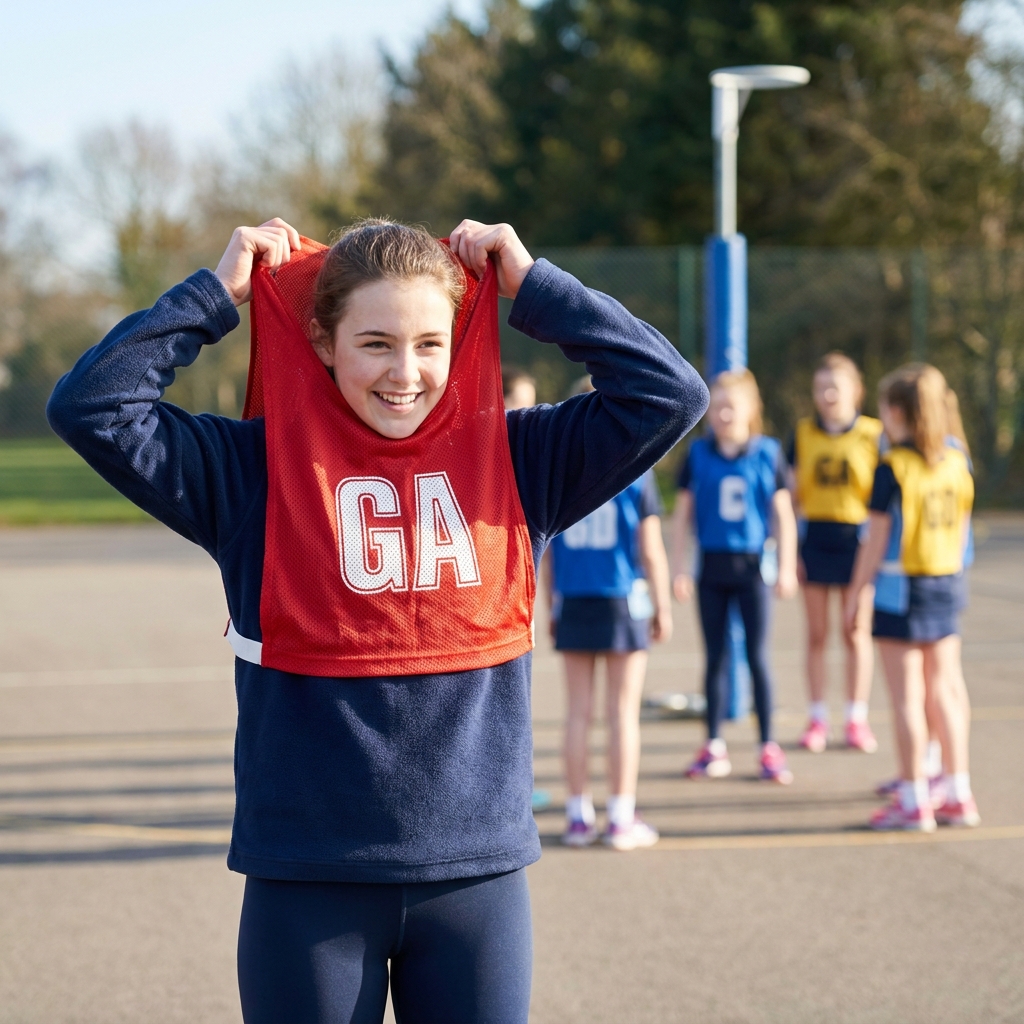
The new season is the perfect moment to set the expectation that every junior player tries every bib. Here is why rotation builds better netballers, how to organise it fairly, and what to say when a player or parent wants "their" position.
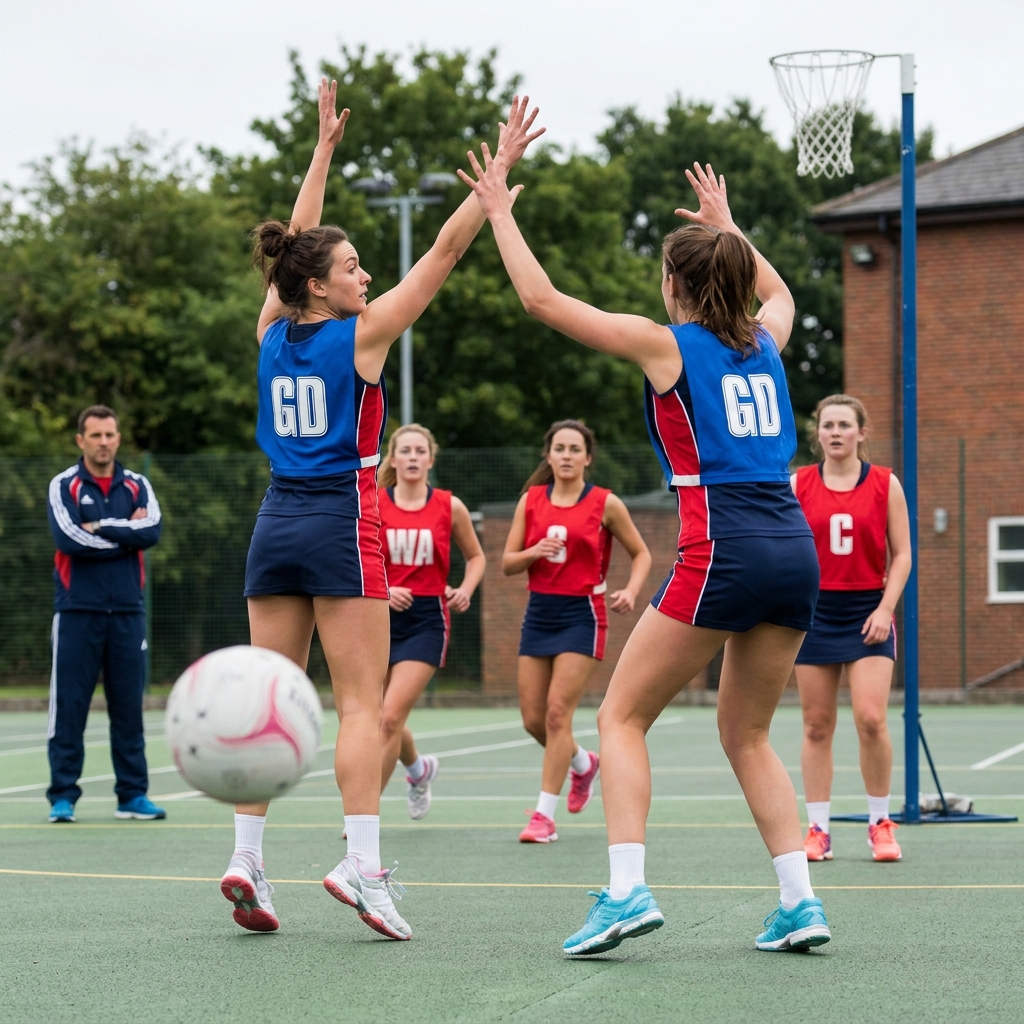
Most club teams defend one-on-one and nothing else. A well-drilled zone gives you a second option, and against the right opponent it is the difference between chasing and controlling.