in more ways than one
 sportplan_netball


in more ways than one
sportplan_rugby
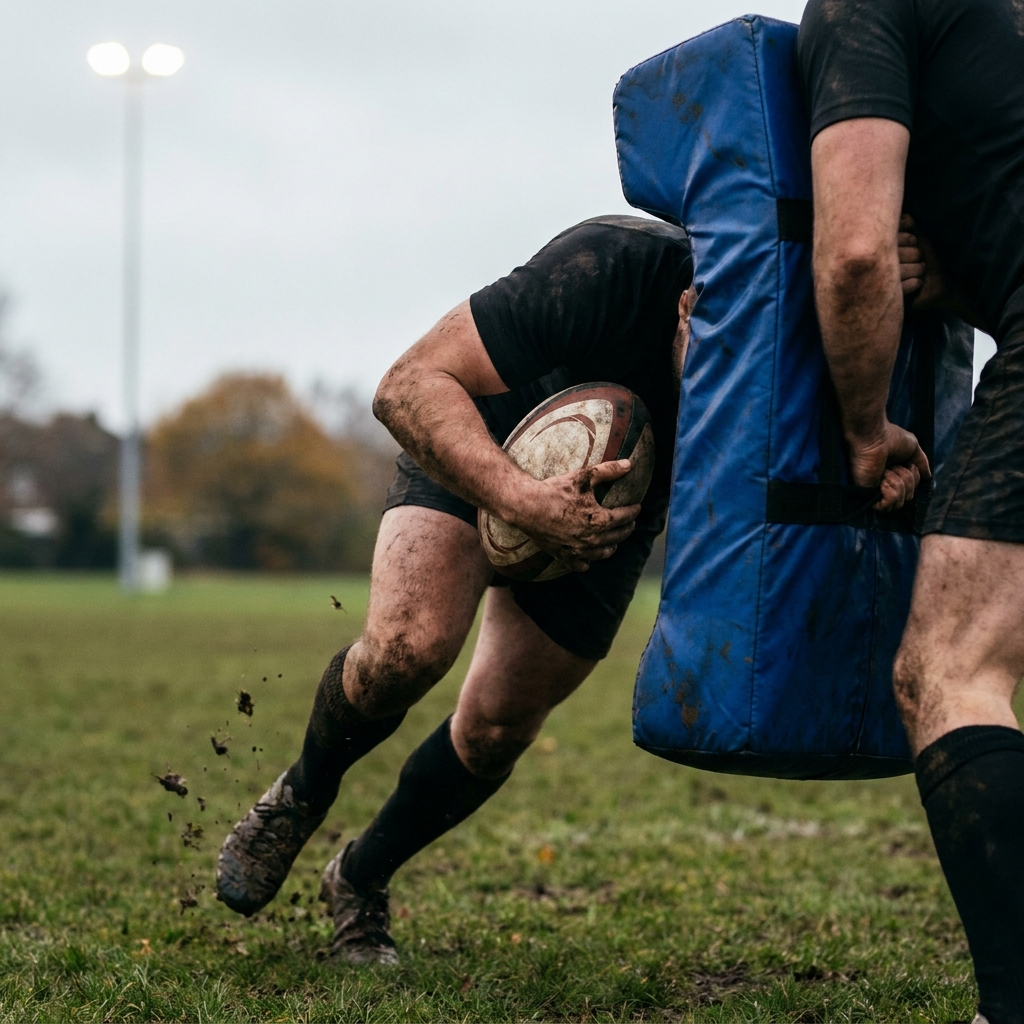
Tacklers are aiming lower, so carriers who dip late put heads at risk. Teach footwork, a strong early body height and leg drive to win the collision safely.
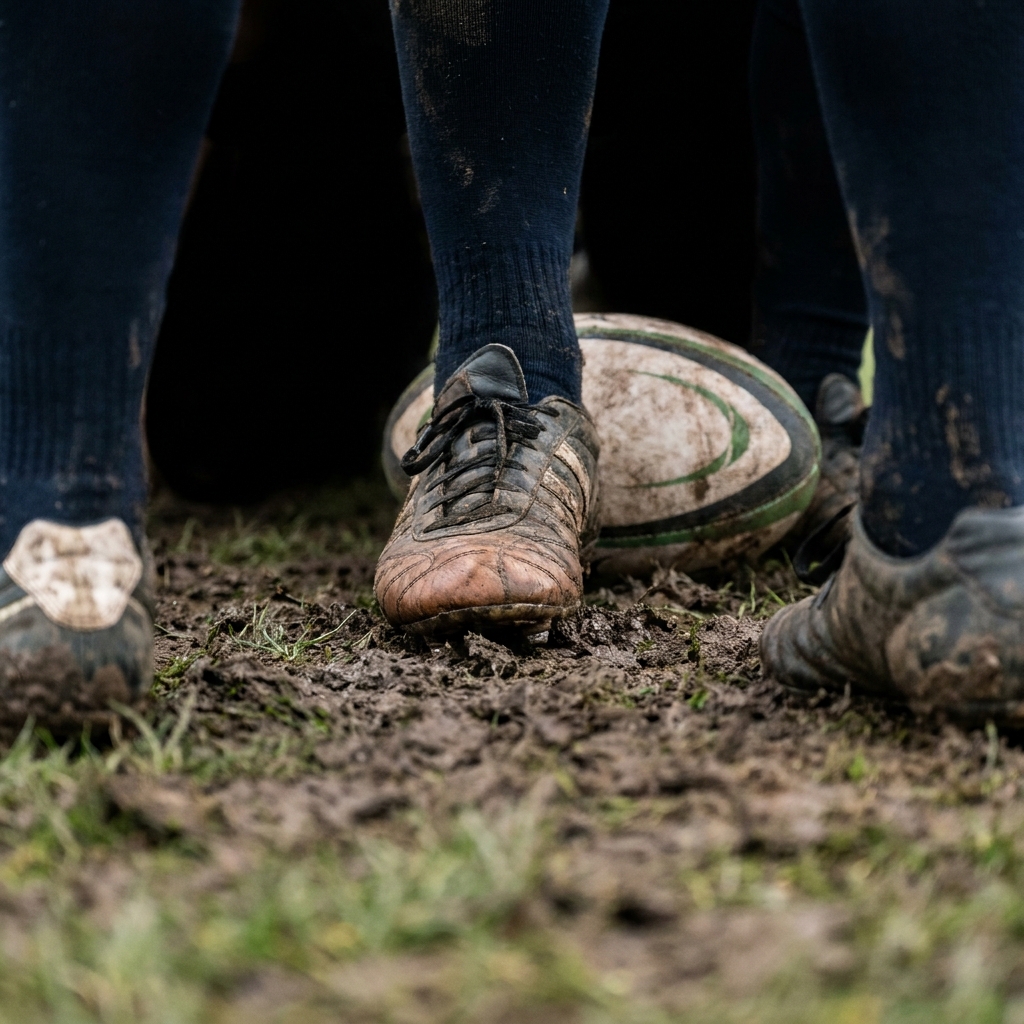
The hooker's brake foot moved from trial into full law in July 2026. Here is how to coach it so your front row stays stable, legal and safe.
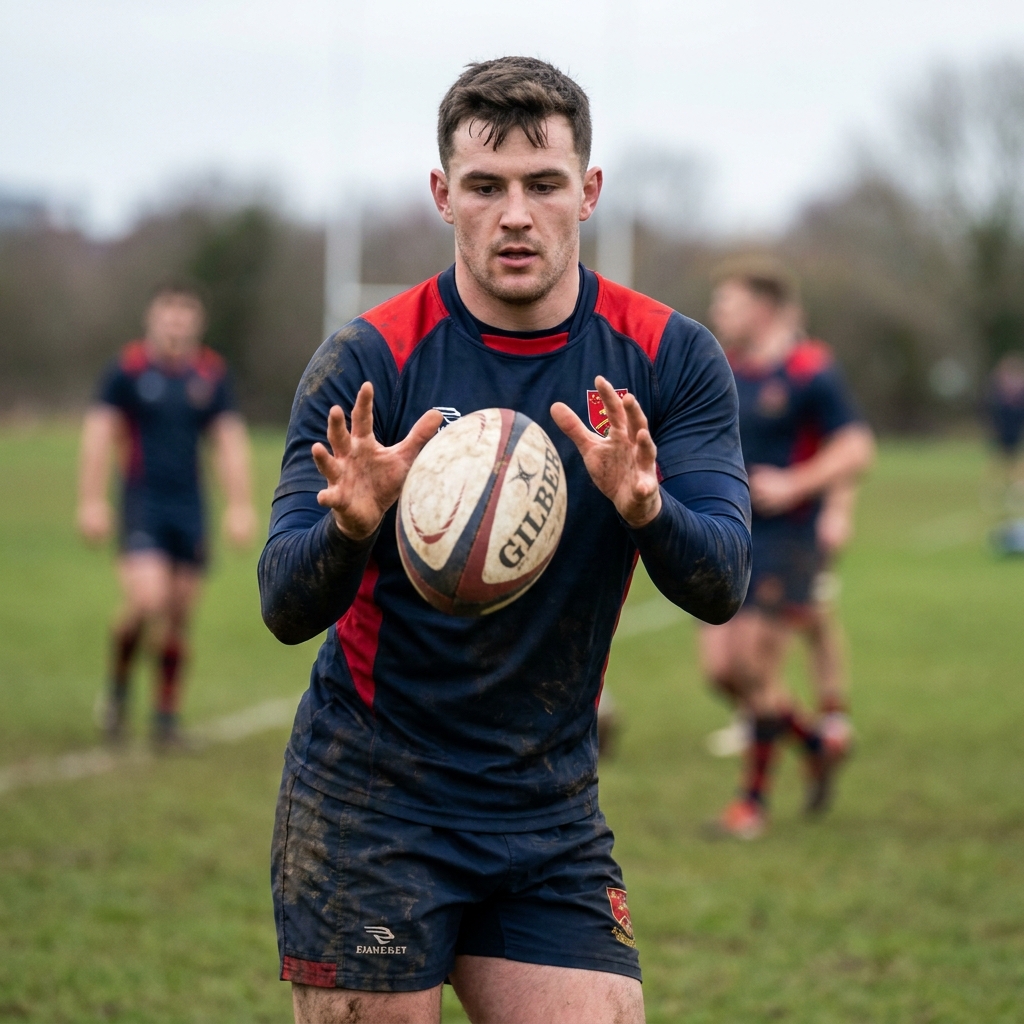
Your players can pass beautifully in a warm-up grid. Then a defender closes, their lungs are burning, and the ball goes to ground. Here is how to build catch-pass skills that hold up when it matters.

It is important to remember that the preparation needs to be both mental and physical and (depending upon the level at which your team plays) starts in the days leading up to the game. It can only take one player to let themselves down for this to have a significant impact on the success of the team as a whole.
It is also important to remember that each of your players will respond to a different stimulus. Allow them scope to prepare in the way that suits each player and give him or her a platform to do so. The key requirement is to ensure that each player within your team can perform at his or her optimum levels throughout the game.
We’re aware that many factors will influence your team’s preparation, i.e. availability of players, availability of changing rooms and pitches, work and study commitments and whether you’re playing at home and away. In any event, you will still need to ensure your team are fully prepared. Don’t leave anything to chance
| To read the whole of the article please login, if you are not a member please register now, Membership is Free - it takes just 30 seconds, scroll down to see all the benefits and great Rugby resources your will get access too. |
|
Sample Videos (click thumbnails)
|