in more ways than one
 sportplan_netball
in more ways than one
sportplan_rugby

Tacklers are aiming lower, so carriers who dip late put heads at risk. Teach footwork, a strong early body height and leg drive to win the collision safely.

The hooker's brake foot moved from trial into full law in July 2026. Here is how to coach it so your front row stays stable, legal and safe.
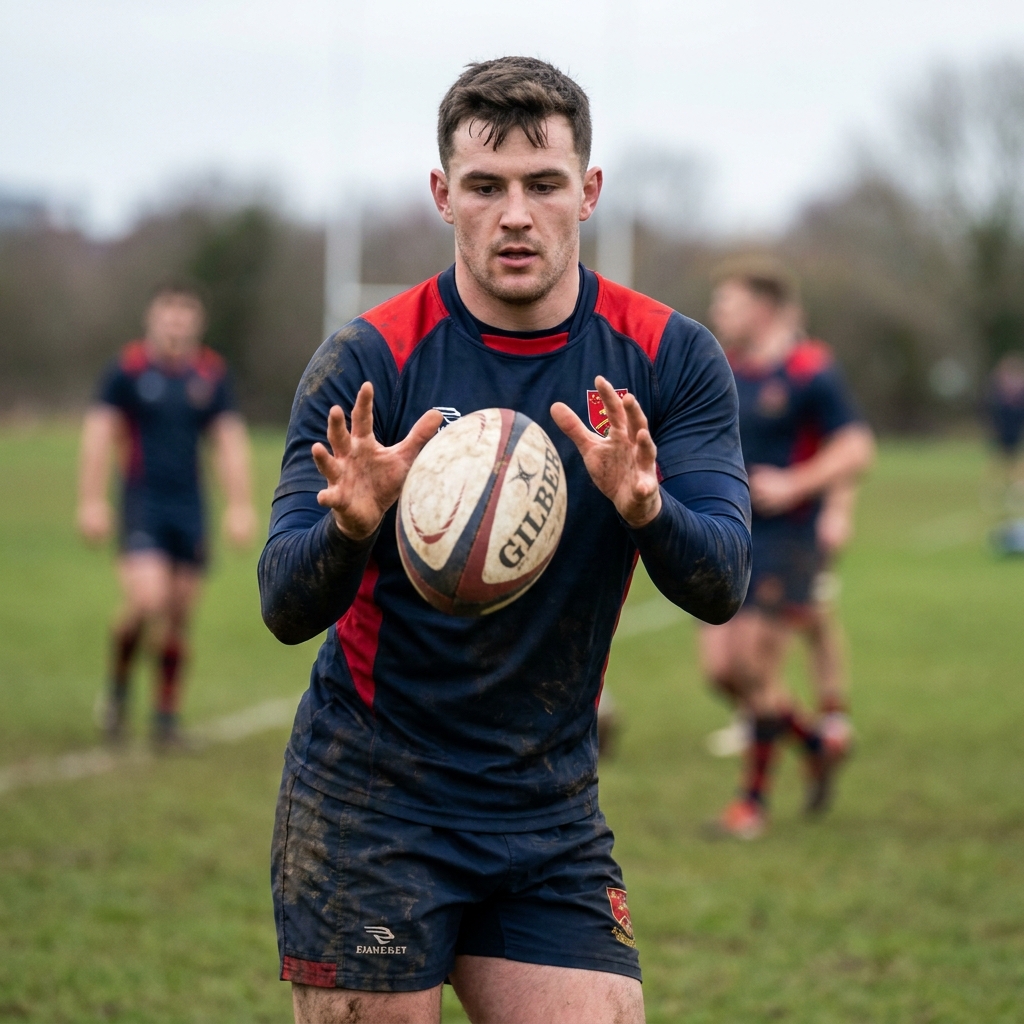
Your players can pass beautifully in a warm-up grid. Then a defender closes, their lungs are burning, and the ball goes to ground. Here is how to build catch-pass skills that hold up when it matters.

Introduction: Introduce the evening's programme and how it links in from session 1. Remind players of their contract / agreement with each other. If players have agreed to a contract and have not had a chance to sign it, provide copies for each player and get them to sign it.
Philosophy: Link the evening's session to realising the aims for the season, and what they have agreed to.
Positional Skills Sessions ('PSS'): Remind the players of the need to think about what skills that they feel that they should be working on, focus on them and be adaptive. If you find another skill that they should be working on during the course of the session do not be aftraid to adapt the PSS.
| To read the whole of the article please login, if you are not a member please register now, Membership is Free - it takes just 30 seconds, scroll down to see all the benefits and great Rugby resources your will get access too. |
|
Sample Videos (click thumbnails)
|