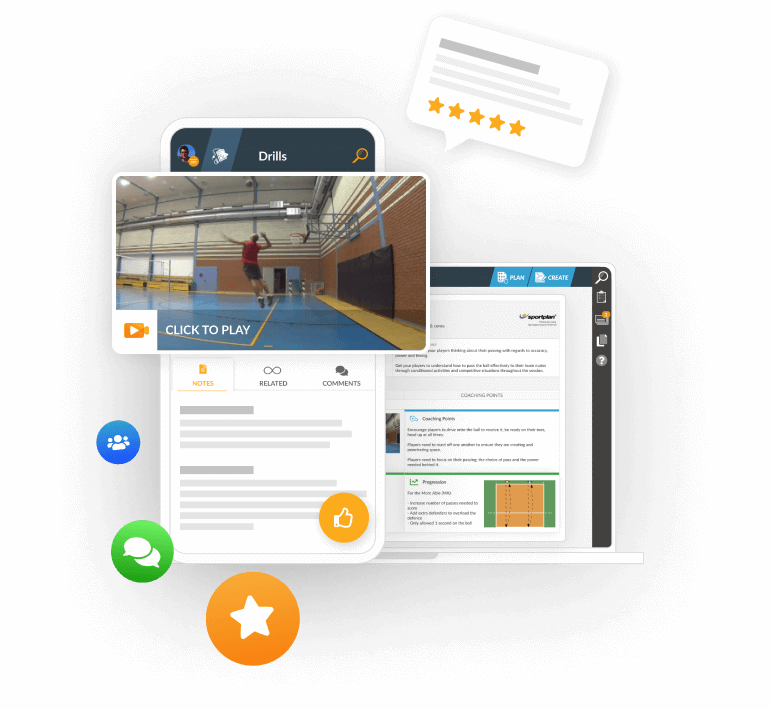
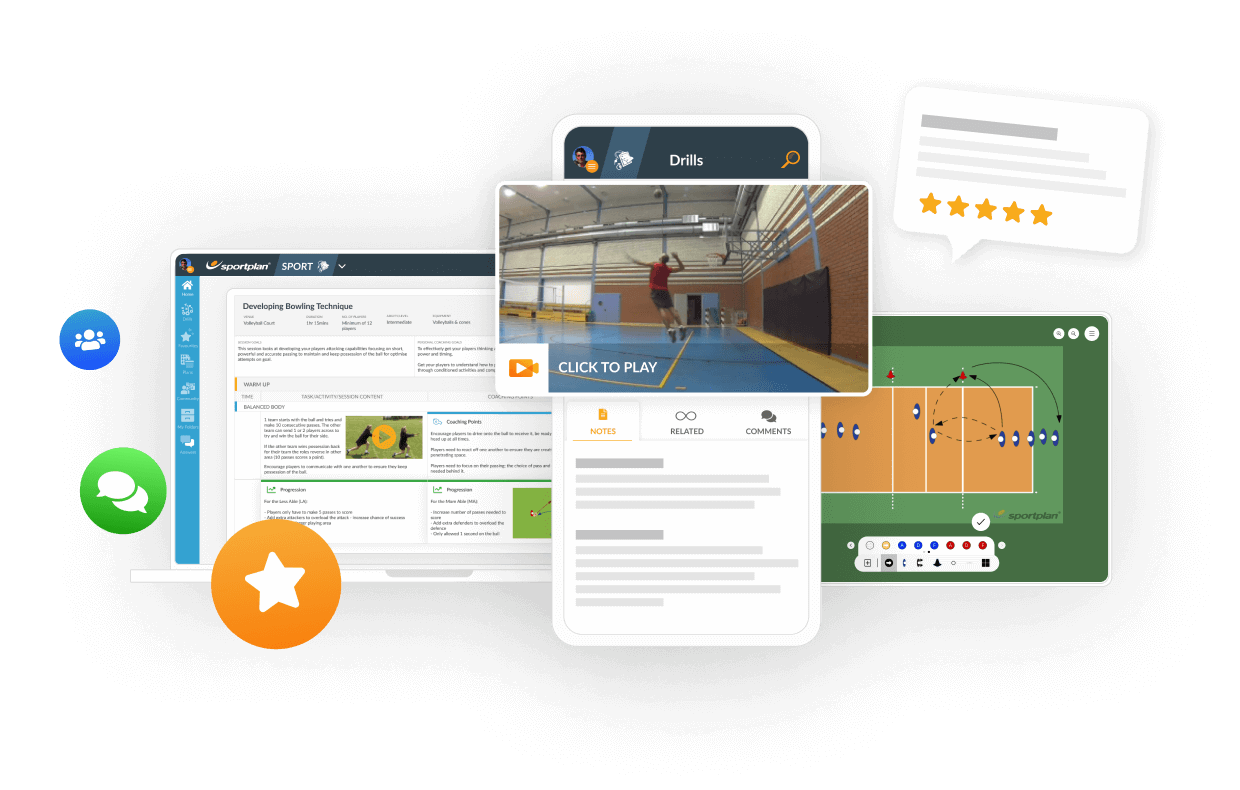
This Sportplan Session looks at developing your players' defensive ability from the backcourt area through movement, ball control and communication.
Defending the backcourt
Use this plan to make sure your players are ready to cover the backcourt area at all times, which can sometimes involve moving from the zones they are positioned in to help teammates.
Even if it is not your player's zone position, the need for him/her to work on their backcourt defence is vital because there will come points in the game when a player has to cover a teammate who has been pushed out of position by an opponent's return shot.
It is easy to defend a ball when you know where it is coming from, so the drills in this plan mimic a game situation by developing your players ability to react quickly to defend a ball and pass it to the setter, then move into position ready to defend again.
Communication
The plan also looks at developing your players on court communication to ensure they are moving into zonal areas they are not positioned in, to cover teammates.
Communication is vital when there are long rallies and players are being pushed out of position, because it will stop players colliding, and bunching together leaving spaces on the court for your opponent to spike and win points.
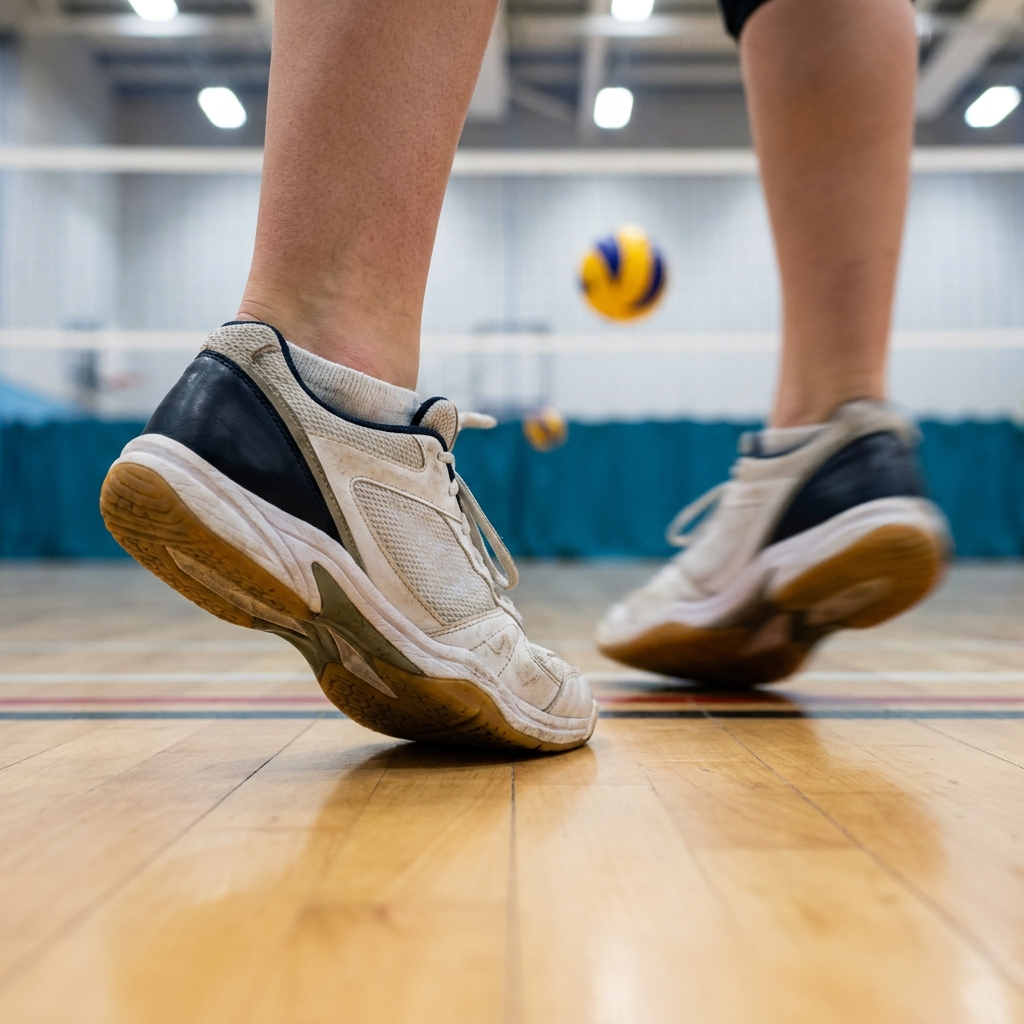
New hitters rarely miss because of their arm. They miss because of their feet. Build a reliable approach, then time it with your setter.
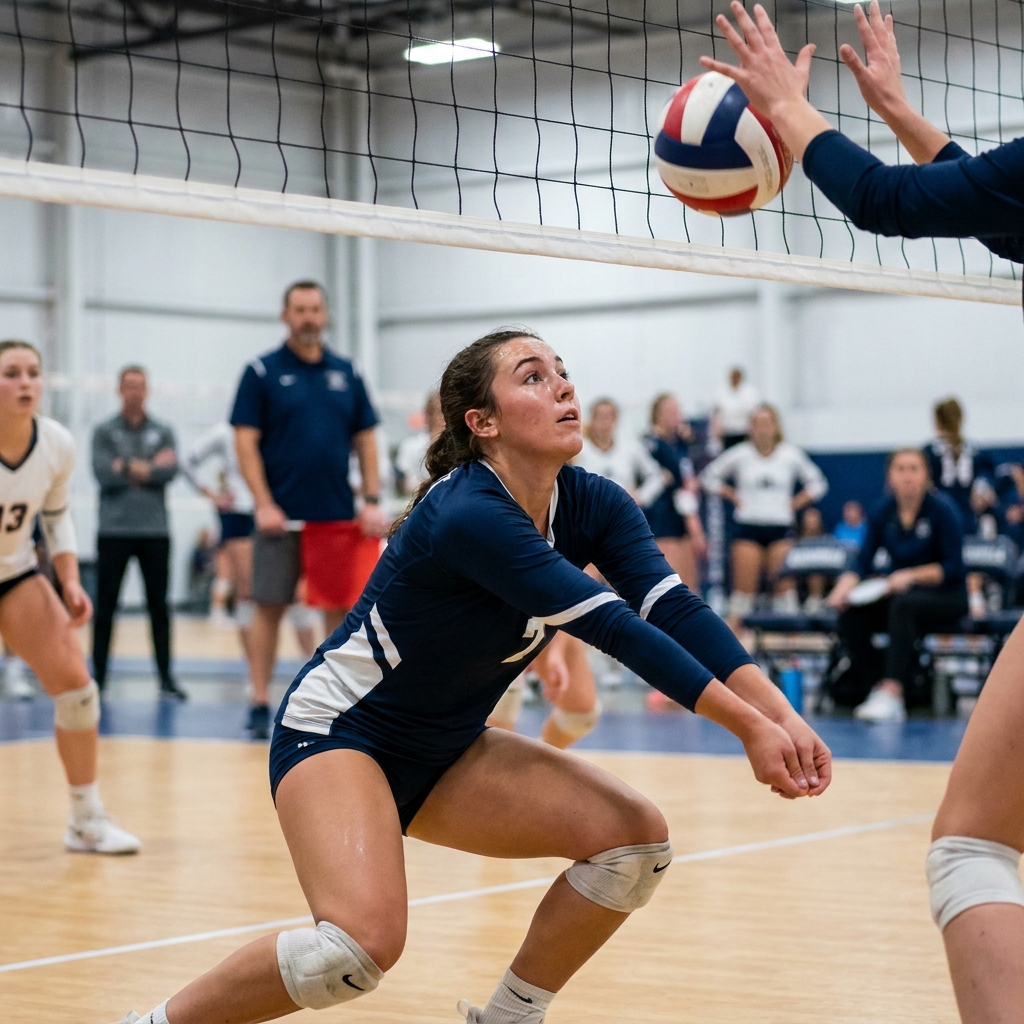
When your hitter gets stuffed, five teammates standing and watching is how you lose the point. Good attack coverage turns a blocked ball into a second swing.
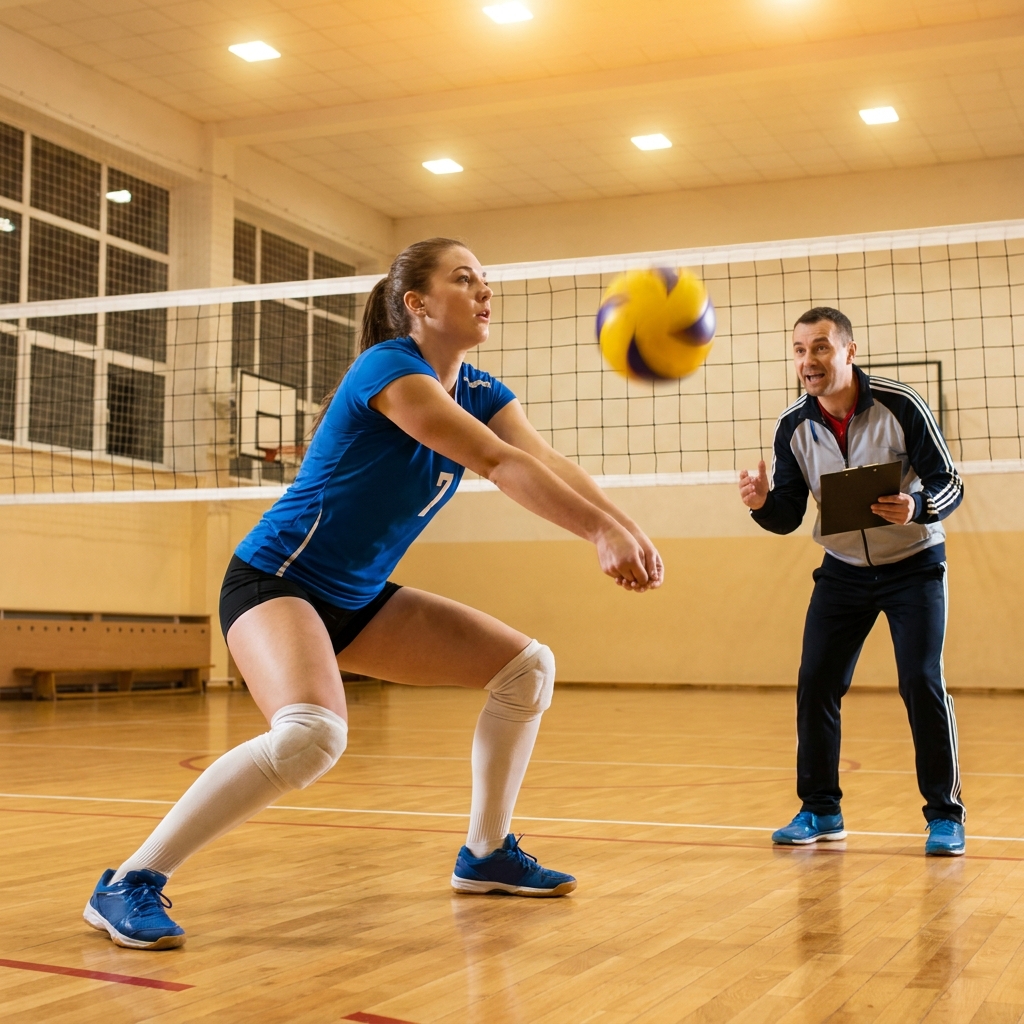
Coaches spend hours correcting arms in serve receive when the real fault is almost always the feet. Fix the movement and the platform fixes itself.


Register for FREE and get coaching tips, top drills, session and more every week!