1. Teams will ALWAYS ATTACK, DEFEND THEN REST. ATTACK, DEFEND, REST. 2. Waiting team (resting) needs to be ready to attack with ball. Jog back to resting zone. Make sure pile of balls nearby. 3. Encourage players to quickly transition and shift from going from attack to defend then rest. 4. May need to add in fourth team if there are large amount of numbers. Will mean that two teams waiting in line near resting zone. Still attack, defend, rest.
1. Don't tell them which end is the king of the 1v1 until they have stood in a box. 2. To work out the number of 1v1 boxes needed, half the number of players in the group. Will need a coach to join in as a player if odd number.
This practice has no coaching points
This practice has no progressions

in more ways than one
 sportplan_hockey




Rain, standing water and a slick pitch change everything. Here is how to adjust your technique and game plan for wet winter hockey.
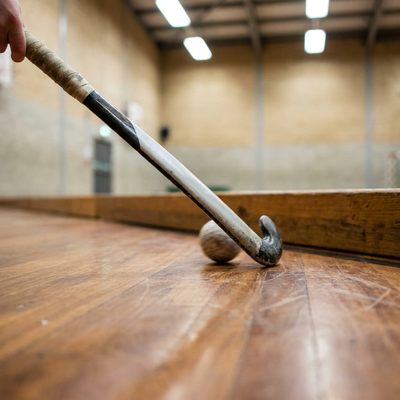
As clubs start their indoor fixtures, outdoor habits get punished fast. Here is how to retrain the skills that actually change indoors.

Two defenders chase the ball, nobody covers the runner, and a soft goal goes in. Here is the five-step treat for the mix-up haunting hockey defences this October.